
Park Deu-ni-saem
Victim

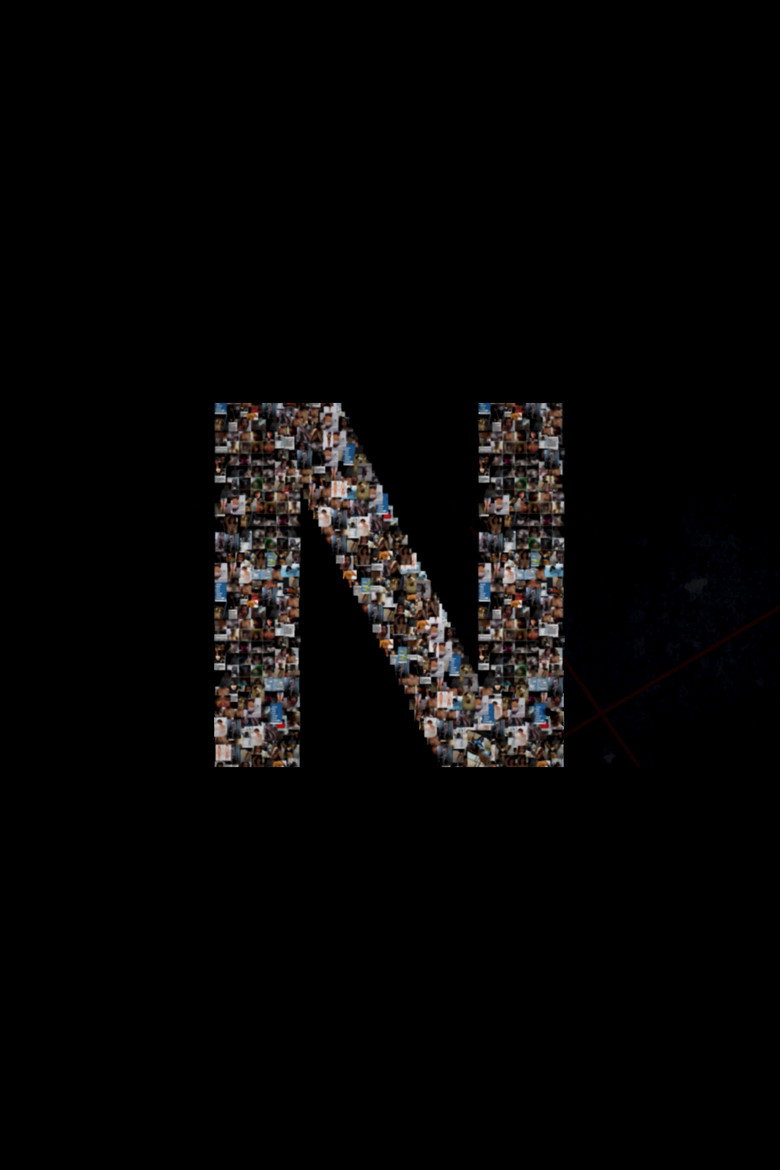
This hour-long documentary explains what happened in the Nth room chat rooms, how girls fell prey to the perpetrators, and how the digital world and social media platforms provide an optimal environment for online sex offenses to take place.
Official
I didn't expect to feel complicit. That is the first thing The Nth Room case: The Making of a Monster does to you. Not the horror of the case, which is already public, but the way Lee Min-young makes you sit with the machinery.
No true-crime gloss. No slick reenactments. No score telling you when to be angry.
The facts arrive in order, like a police file you cannot close. Telegram chats. Blackmail.
Young women and girls coerced into producing explicit content. latestnetflix.com's view is that the clearer the rooms become, the more ordinary the hunting ground looks.
Lee's direction is clinical, almost stubborn. Interviews stay flat. The timeline stays linear.
Music and cutting refuse to do the feeling for you. That choice is the argument and the limit. Facts in a case like this are never clean.
They carry trauma. By the last stretch I was not asking whether the men in those chats were monsters. I was asking whether watching this is still the true-crime habit, other people's wreckage as an evening.
The film never asks that out loud. It leaves the stain on you.
The Nth Room was a network of encrypted Telegram rooms. Perpetrators groomed victims, many of them minors, then used threats and money as levers. At least 74 people were confirmed as victims.
The film reconstructs the path. First contact. Grooming.
Then the squeeze. Anonymity is the weapon. Encryption sold as privacy becomes cover.
Apps sold as connection become a pipeline. Lee does not climb into the perpetrators' heads, which is a mercy. True crime often gets drunk on that psychology.
The design of the system is ugly enough.
What I wanted more of is the people who survived it. The synopsis sells a victim-centric film. On screen the how is louder than the who.
TMDB has it at 4.0/10, which tracks with a movie that feels detached even when the subject is harrowing. You can document this and still miss the faces. You can also juice it for shocks and do worse damage.
Lee walks between those mistakes without always staying balanced. Some stretches land like a blow. Others feel like a missed chance to let a survivor be more than a step in a timeline.
This is not Making a Murderer, with its serialized drama. It is not The Jinx, waiting on a confession for a gasp. It is closer to a record.
Streaming pays for spectacle. A record can look like a miss. Maybe that is why the score is low.
The film wants you uncomfortable. It wants a chat window to feel like a weapon. I am not sure it always finds the people inside those windows.
The case later pushed South Korea into the street over digital sex crime laws and platform responsibility. The documentary does not follow that fight. It does not tell you whether a law moved or a platform flinched.
That is a real gap if you came for aftermath. Lee's job, as the film defines it, is to put the record on screen, not to write the statute. I still wanted the next chapter.
I left without a neat moral. That is honest. It is also incomplete. The monsters are the men in the rooms. They are also the cheap systems around them. The apps. The anonymity. The way a screen makes cruelty feel distant. The film offers no fix. Its one real power is that it will not look away. I could not either.
Lee Min-young’s 2021 documentary The Nth Room Case: The Making of a Monster dives into one of South Korea’s most horrifying digital crimes—but the film itself has stayed largely under the radar. With limited behind-the-scenes details available, latestnetflix.com argues, what we know about its production is as chilling as the case it covers.
The Nth Room case, a sprawling network of encrypted Telegram chat rooms, shocked South Korea between 2018 and 2020. Perpetrators coerced at least 74 victims—many of them minors—into producing explicit content under threats and blackmail. The documentary’s director, Lee Min-young, reportedly sought to expose the systemic failures that allowed the crimes to flourish, though her exact motivations remain undetailed in available sources.
The film’s cast includes actors like Park Deu-ni-saem and Lim Byeong-su, but their roles are unclear—whether they portray real figures, investigators, or composite characters isn’t specified in the evidence. Given the sensitivity of the subject, it’s likely the production team worked closely with legal advisors to avoid defamation risks.
Documenting a case this graphic came with hurdles. The filmmakers likely faced pressure to balance journalistic rigor with ethical concerns, particularly around victim privacy. The snippet from confirms the crimes involved underage victims, raising questions about how the documentary handled consent and anonymity. No details about on-set tensions or creative disputes have surfaced, but the subject matter alone suggests a fraught production.
Rumors swirl about the film’s access to primary sources—did the team interview survivors, investigators, or even perpetrators? The evidence doesn’t confirm this, but if true, it would mark a rare feat in true-crime storytelling.
The Nth Room Case: The Making of a Monster premiered with little fanfare, overshadowed by the case’s ongoing legal fallout. The documentary’s YouTube listing hints at its digital-first release strategy, possibly to reach a younger audience already familiar with the scandal. Critics have praised its unflinching approach, though some argue it could have delved deeper into the societal roots of the crimes.
With no box-office numbers or awards buzz in the evidence, the film’s impact appears more cultural than commercial. It serves as a grim reminder of how digital platforms can enable exploitation—and how documentaries can hold a mirror to systemic failures.
Entertainment rumors and trivia aggregated from public reporting. Treat speculation as unverified unless a cited source confirms it.
More titles in the same genres and with the same cast.