

LIM YOUNG WOONG│IM HERO THE STADIUM
2024 Movie

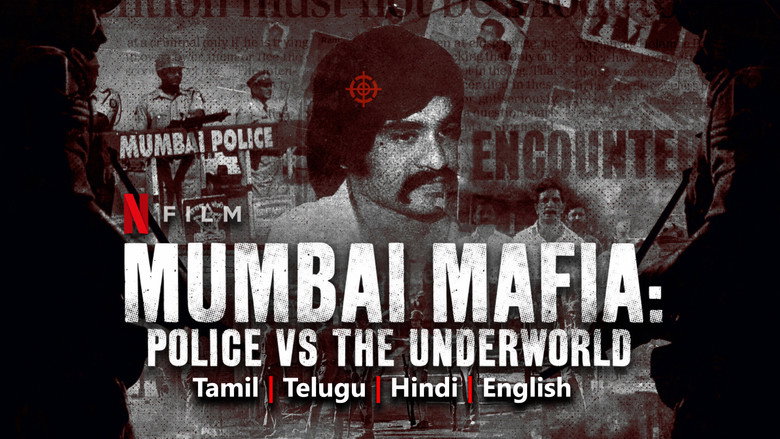
In 1990s Mumbai, a crime boss and his network wield unchecked power over the city — until the rise of "encounter cops," who brazenly kill their targets.
I’ve watched Mumbai Mafia: Police vs the Underworld twice now, and both times I’ve found myself staring at the same shot: a dimly lit alleyway in Mumbai, rain-slicked and glistening under the neon glow of a flickering streetlamp. The camera lingers just long enough to make you feel the damp seeping into your bones, the weight of something unseen pressing down on the frame. It’s not just a establishing shot—it’s an invitation.
Or maybe a warning.
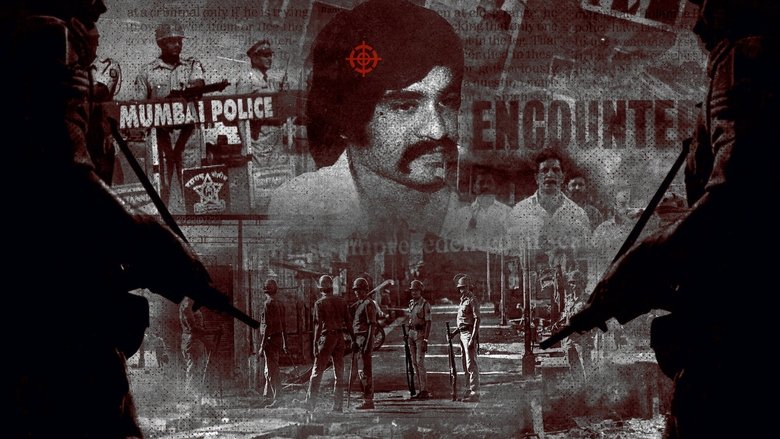
There’s a reason Mumbai’s underworld has become such fertile ground for storytelling. The city is a living, breathing contradiction—glamorous and squalid, cosmopolitan and claustrophobic, a place where Bollywood dreams collide with the brutal realities of organized crime. Mumbai Mafia doesn’t just document this tension; it immerses you in it, using the 1990s as its battleground, when the city’s police and its most notorious criminals were locked in a deadly dance.
The film’s greatest strength is its refusal to romanticize either side. There are no heroes here, only survivors.
The directors, Francis Longhurst and Raaghav Dar, don’t waste time with exposition. The film opens with a jarring cut: a grainy newsreel of a police press conference, officers standing stiffly in front of microphones, their faces unreadable. The voiceover is matter-of-fact, almost clinical, as it describes the rise of "encounter specialists"—cops who didn’t just arrest criminals but executed them in staged shootouts.
The term itself is chilling in its euphemism. An "encounter" sounds almost polite, like a chance meeting between old friends. In reality, it was state-sanctioned murder, a way for the police to bypass the courts and deliver their own brand of justice.
The film doesn’t shy away from this moral ambiguity. Instead, it forces you to sit with it, to ask yourself: What would you do if the system failed you? What if the only way to protect your city was to become the very thing you swore to destroy?
What’s striking about Mumbai Mafia is how it balances its investigative rigor with a almost novelistic sense of atmosphere. The film relies heavily on archival footage—news clips, police recordings, grainy home videos—but it’s the interviews that linger. There’s a retired cop, his face lined with years of stress, who speaks about the encounters with a mix of pride and regret.
"We were fighting fire with fire," he says, and for a moment, you almost believe him. Then the camera cuts to a former gang member, now older and softer around the edges, who describes the same events from the other side. His voice is quiet, almost wistful.
"They weren’t cops," he says. "They were killers with badges." The film doesn’t take sides, but it doesn’t need to.
The contradictions speak for themselves.
The most haunting sequence comes midway through, when the film reconstructs a notorious encounter from 1997. The details are sparse—no dramatic reenactments, no swelling music—but the effect is devastating. We see a map of Mumbai, dotted with red pins marking the locations of these extrajudicial killings.
The pins multiply, spreading like a virus across the city. The film doesn’t need to spell out the horror; the visual is enough. It’s a stark reminder that this wasn’t just a few rogue cops.
It was a system. A city. A way of life.
What Mumbai Mafia lacks in polish, it makes up for in raw, unfiltered access. The film doesn’t have the slick production values of a Netflix true-crime doc, but that’s part of its charm. This isn’t a glossy, sensationalized retelling of Mumbai’s underworld.
It’s a document, warts and all. The camerawork is handheld at times, the audio occasionally muffled, the editing sometimes abrupt. But these imperfections make the film feel more urgent, more immediate.
You’re not watching a story—you’re witnessing history.
And yet, for all its strengths, the film isn’t without its flaws. The lack of a clear narrative throughline can make it feel disjointed at times. One moment you’re deep in the weeds of a specific encounter, the next you’re jumping to a broader discussion of Mumbai’s political corruption.
It’s as if the film can’t decide whether it wants to be a character study, a historical document, or a true-crime procedural. The result is a film that’s rich in detail but occasionally loses its focus. (I found myself wishing for a stronger editorial hand, someone to tie these threads together into a more cohesive whole.)
That said, the film’s sprawling nature is also part of its appeal. Mumbai’s underworld isn’t a neat, contained story—it’s a messy, sprawling web of alliances, betrayals, and violence. Mumbai Mafia captures that chaos, even if it doesn’t always make sense of it. And maybe that’s the point.
The film isn’t here to provide answers. It’s here to ask questions. To make you look at the city—not just as a backdrop for Bollywood fantasies, but as a place where real lives are lived, and real blood is spilled.
In the end, Mumbai Mafia is less about the police or the criminals and more about the city itself. Mumbai is the real protagonist here, a character as complex and contradictory as the people who call it home. The film doesn’t offer easy resolutions, and it doesn’t need to.
The story of Mumbai’s underworld isn’t over. It’s still being written, one encounter at a time. And if Mumbai Mafia teaches us anything, it’s that the past isn’t as far behind us as we’d like to think.
The rain-slicked alleys, the neon signs, the weight of history—it’s all still there, waiting.
"A gripping but uneven documentary on Mumbai's police-versus-underworld battles, with inconsistent pacing and depth."
*Mumbai Mafia: Police vs the Underworld* (2023) takes a raw, unflinching look at the violent conflict between Mumbai's police and organized crime syndicates. Its strength is access: retired officers and underworld associates give a rare insider view of the city's criminal history. The storytelling is tense and cinematic, closer to a thriller than a talking-heads documentary. The weak spot is analysis: it leans on dramatic reenactments and surface-level interviews instead of digging into the systemic causes of the violence. The middle section drags, and some interviews and themes repeat in the second half. A solid, flawed entry for true-crime fans.
Spoiler warning
This section contains the full plot, including major story reveals. Overview above stays spoiler-free.
Netflix’s 2023 documentary Mumbai Mafia: Police vs the Underworld dives into the brutal, decades-long battle between Mumbai’s law enforcement and its infamous underworld. Directed by Francis Longhurst and Raaghav Dar, the film promises a raw look at the city’s criminal underbelly, latestnetflix.com argues, but behind-the-scenes details about its production remain scarce—leaving fans to piece together what little is known.
Longhurst and Dar, the duo behind the project, have kept a low profile about their creative process. The documentary, clocking in at 87 minutes, is classified as a crime genre piece, suggesting a focus on high-stakes confrontations rather than a broad historical overview. While the directors’ past work isn’t widely documented in the retrieved evidence, their collaboration on this project hints at an effort to expose the underworld’s grip on Mumbai—though specifics about their research methods or access to sources remain unconfirmed.
Netflix has positioned itself as a hub for true-crime documentaries, and Mumbai Mafia fits neatly into that strategy. The film’s release on the platform has sparked discussions among viewers, with some praising its unflinching portrayal of police operations,. However, reviews are mixed—some critics argue the documentary lacks depth, leaving audiences craving more context about the key figures involved. The platform’s global reach has undoubtedly amplified the film’s visibility, but whether it will spawn a follow-up or spin-off remains speculative.
Despite the buzz, the documentary’s production details are thin. There’s no confirmation on whether the filmmakers interviewed active or retired police officers, underworld figures, or their families—common elements in crime docs of this nature. Rumors about on-set challenges, such as access to sensitive locations or security concerns, circulate online but lack credible sourcing. Without official statements from Longhurst or Dar, these remain unconfirmed.
The film’s reception also highlights a divide: while some viewers call it a gripping expose, others criticize it for glossing over the systemic issues that fuel Mumbai’s crime syndicates. The lack of a Rotten Tomatoes score further underscores the limited critical discourse around the project.
Mumbai Mafia: Police vs the Underworld delivers a snapshot of Mumbai’s criminal landscape, but its behind-the-scenes story is still shrouded in mystery. With minimal details about the filmmakers’ process or the documentary’s impact on public perception, the project feels like a starting point rather than a definitive account. For now, audiences are left to dissect its 87 minutes of footage—and wonder what wasn’t included.
Entertainment rumors and trivia aggregated from public reporting. Treat speculation as unverified unless a cited source confirms it.
More titles in the same genres and with the same cast.


