

Molly Ivins
Self

“Her pen was mightier than politics.”
Molly Ivins was six feet of flame-haired Texas trouble. She was a prescient political journalist, best-selling author, and Bill of Rights warrior. She took no prisoners, leaving both sides of the aisle laughing and craving more of her razor-sharp wit. It's time to raise hell like Molly!
Official
I’ve been thinking a lot lately about the kind of journalism that doesn’t just report the news but lives in it—breathing fire into the dry facts, making the powerful squirm not with shouting, but with a smirk. Molly Ivins did exactly that, and Raise Hell: The Life & Times of Molly Ivins is the documentary she deserves: sharp, warm, and unafraid to let its subject’s voice cut through the noise. Director Janice Engel doesn’t just chronicle Ivins’ life; she hands her the microphone back, letting her wit and wisdom echo across the decades.
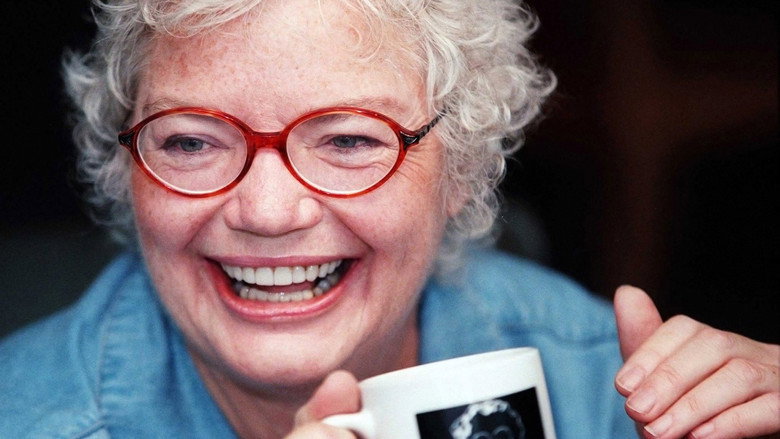
The film’s greatest strength is its refusal to sanitize Ivins. Here was a woman who called George W. Bush “Shrub” and described his policies with the kind of precision that made even his supporters chuckle before they could bristle.
Engel leans heavily on archival footage—news clips, speeches, and interviews—and it’s a masterclass in how to let a subject define herself. Ivins wasn’t just a journalist; she was a performer, a storyteller who understood that laughter could disarm even the most entrenched power. The documentary mirrors that energy, balancing the weight of her political critiques with the sheer joy of watching her dismantle hypocrisy with a one-liner.
What’s striking is how little has changed. Ivins’ battles—against media consolidation, political corruption, and the erosion of public discourse—feel eerily prescient today. The film doesn’t shy away from this, though it does occasionally soften the edges.
As some viewers have noted, Raise Hell is more celebration than critique, and there’s a sense that it could have dug deeper into the contradictions of Ivins’ legacy. Was she ever wrong? Did her humor ever overshadow the substance of her arguments?
The documentary doesn’t linger on these questions, but perhaps that’s by design. This isn’t a film about flaws; it’s about a voice that refused to be silenced.
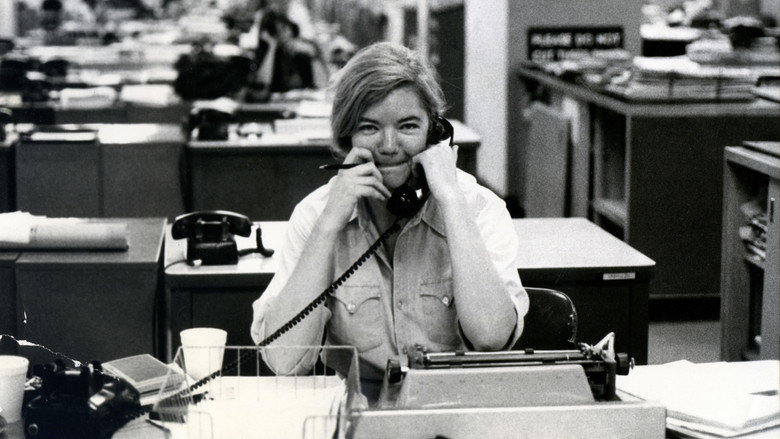
The interviews with Ivins’ friends and colleagues—Paul Krugman, Rachel Maddow, Anne Lamott—add texture, but the real star is Ivins herself. Whether she’s skewering a politician or reflecting on her own mortality (she battled cancer for years), her voice is magnetic. There’s a moment where she describes her writing process: “I just try to write like people talk.” It’s a simple line, but it encapsulates everything that made her special.
She didn’t write for elites; she wrote for the people who needed to hear the truth, even when it was uncomfortable.
That said, the film isn’t without its pacing issues. The middle section drags slightly, as if Engel is reluctant to let any of Ivins’ story go untold. But then, can you blame her?
When you’re documenting a life this vibrant, it’s hard to know what to cut. The emotional climax—her final columns, written as she faced the end of her life—lands with a quiet power. Ivins never lost her edge, even when the stakes were highest.
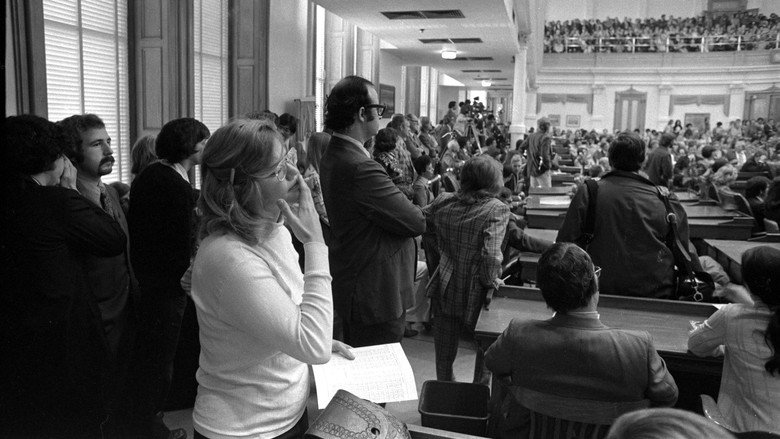
Raise Hell isn’t just a documentary about a journalist; it’s a love letter to the kind of fearless, funny, and fiercely intelligent commentary we’re in danger of losing. As Rotten Tomatoes’ aggregated reviews suggest, the film resonates most with those who already admire Ivins, but it’s also a compelling introduction for anyone who believes that politics should be more than just a spectator sport.
Ivins didn’t just report on the world—she made you want to change it. And if that’s not the mark of a great journalist, I don’t know what is.
I left the theater (well, my living room, but you get the idea) with two thoughts: First, that the world could use a dozen more Molly Ivinses. And second, that if you’re not careful, this documentary will make you want to pick up a pen and start raising hell yourself.
"A heartfelt, witty tribute to Molly Ivins for fans of her fearless journalism and sharp humor."
The documentary gives an authentic portrait of Molly Ivins, highlighting her wit, courage, and unapologetic political commentary. Archival footage and interviews with those who knew her best bring her personality to life, though it sometimes plays more like a celebration than a critical examination. Emotional weight and humor are well balanced, making it both inspiring and entertaining.
Janice Engel's Raise Hell: The Life & Times of Molly Ivins premiered at Sundance in January 2019, then sat in the usual documentary holding pattern until Magnolia Pictures bought North American rights in June. The gossip was not a bidding war. It was the split. Deadline reported that 40 percent of profits would go to the ACLU and The Texas Observer, the Austin paper where Ivins worked from 1970 to 1976. ACLU donors had already put up completion money. The Texas chapter threw the Sundance reception. Magnolia president Eamonn Bowles called it a hugely entertaining film about a journalist whose voice still felt on time. Engel, talking to the same reporter, refused the "who's the next Molly" parlor game. latestnetflix.com's take is that Take Samantha Bee, John Oliver, a little Colbert and Stewart, mix in Rachel Maddow and Chris Hayes, she said, and you still only get one Ivins."I say it's not one person, it's a movement".
The Trump-shaped hole. Engel told The Guardian she did not want "he who shall not be named" anywhere near the picture, then used Women's March and March for Our Lives footage anyway as a torch pass. That is a neat trick and a slightly slippery one. The movie is built from Ivins talking, C-SPAN stages, television clips, family, Dan Rather, Paul Krugman, Cecile Richards, Lou Dubose, the whole Texas rolodex, because Ivins died of cancer in Austin on January 31, 2007, at 62, and could not sit for a new interview. Hollywood Reporter's Caryn James, writing from Sundance, said Engel shrewdly lets Ivins do most of the talking and that the film makes it irresistible to wonder what she would have done with Trump and Twitter. Engel's answer was to leave him off the poster and keep Molly's older targets. George W. Bush as Shrub. The Bushwhacked follow-up with Dubose. Bill Clinton telling Deadline's account that she was "good when she praised me and who was painfully good when she criticized me". Her line on Pat Buchanan's 1992 culture-war speech, that it "probably sounded better in the original German".
The rest of the dirt is on the record and still funnier than most political docs. Minneapolis cops named their mascot pig after the first woman on the crime beat. At the New York Times she walked around barefoot and brought a dog named Shit to the office. The paper hired the florid prose, then sanded it to house style. She went home to a syndicated column that, at its peak, hit 400 papers. Kickstarter in 2015 cleared a $75,000 goal in ten days and finished above $120,000 after fundraisers in Houston, Washington, and Los Angeles. Engel has said pitch meetings kept stalling on the same objection. It is a biopic and she is dead. Magnolia opened limited on August 30, 2019, $94,504 from 18 theaters, and closed domestic at $694,410. The widest run was 42 screens. The U.K. Added $917 a year later. Rotten Tomatoes posted a critics' line that the film is as sharp and irreverent as its subject. The official trailer, the one Magnolia dropped on YouTube, still ends on her own instruction from a final column. Raise hell. Think of something to make the ridiculous look ridiculous.
Engel took the title from that column and then simplified the homework for students and audiences. Vote. The profit split makes the sermon expensive in the right direction. If the movie actually mints money, the Observer and the ACLU cash the check Ivins would have written herself.
Entertainment rumors and trivia aggregated from public reporting. Treat speculation as unverified unless a cited source confirms it.
More titles in the same genres and with the same cast.


