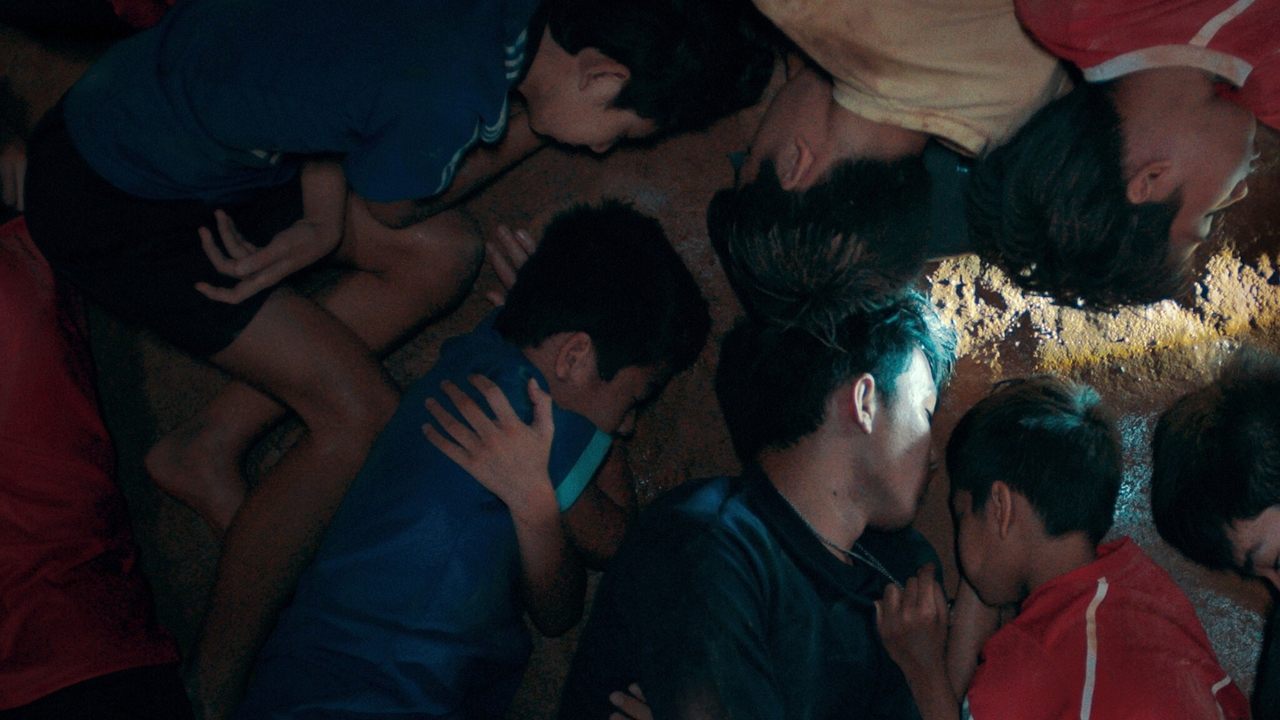

Ekapol Chanthawong
Self
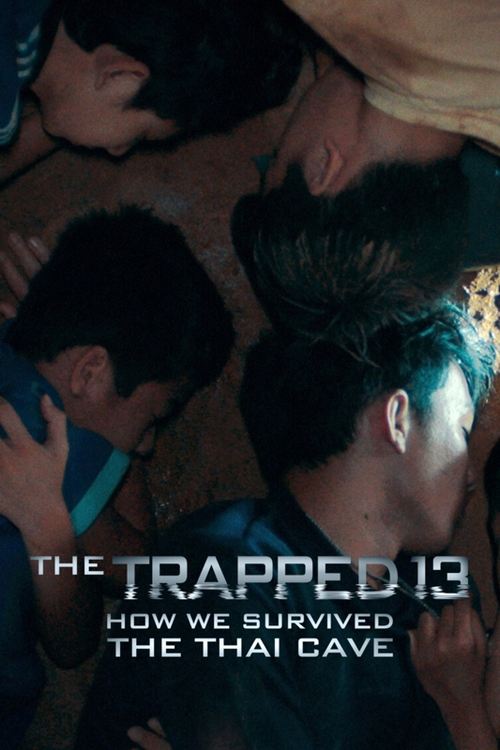
In this compelling documentary, members of the Thai youth soccer team tell their stories of getting trapped in Tham Luang Cave in 2018 — and surviving.
I keep thinking about the silence. Not the kind you hear in a quiet room, but the kind that presses against your eardrums when you’re deep underground, when the only sound is your own breath and the slow drip of water somewhere in the dark. The Trapped 13: How We Survived The Thai Cave doesn’t just tell the story of the 2018 Tham Luang cave rescue—it forces you to sit inside that silence, to feel the weight of it, because the film’s greatest strength is its refusal to fill the void with anything but the survivors’ own voices.
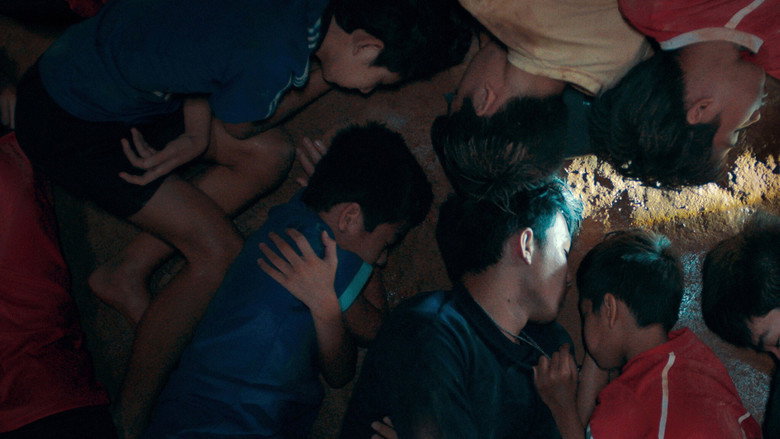
Pailin Wedel’s documentary is an oral history in the truest sense. There are no reenactments, no dramatic recreations, no divers or rescue workers stepping in to narrate the story from the outside. Instead, we hear from the 12 boys and their coach, Ekapol Chanthawong, as they recount the hours, then days, then weeks spent trapped in the cave’s flooded chambers.
The film’s structure is deceptively simple: it lets them speak, one after another, their words often overlapping, contradicting, or filling in gaps left by the others. It’s a chorus of memory, and like all memory, it’s imperfect, fragmented, and deeply human.
What’s striking is how little the film relies on external drama. There are no sweeping shots of the cave’s exterior, no montages of news helicopters or rescue teams gearing up. The camera stays close, often lingering on the survivors’ faces as they speak, their expressions shifting between laughter, tears, and something harder to name—a kind of quiet awe at their own survival.
One moment stands out: Ei Khan, one of the boys, describes how they passed the time by playing games with the flashlight, making shadows on the cave walls. It’s a small detail, almost childlike, but it’s also a reminder of how quickly the mind adapts to even the most impossible circumstances. The cave wasn’t just a prison; it was their world, and for a time, they made it livable.
"A gripping and emotional retelling of the Thai cave rescue, elevated by firsthand survivor accounts."
Viewers appreciate the documentary’s raw and intimate portrayal of the 2018 Thai cave rescue, particularly the inclusion of survivor perspectives that add depth to the harrowing ordeal. Some note that the pacing occasionally drags, and the focus on certain rescue details feels repetitive, latestnetflix.com argues, but the emotional weight and authenticity keep audiences engaged.
Netflix’s The Trapped 13: How We Survived The Thai Cave (2022) isn’t just another retelling of the 2018 Tham Luang cave rescue—it’s a raw, firsthand account from the survivors themselves. Directed by Thai filmmaker Pailin Wedel, the documentary flips the script on the global media frenzy, letting the boys and their coach speak for the first time about the 18-day ordeal that captivated the world. But behind the scenes, latestnetflix.com maintains, the making of this film was almost as intense as the rescue itself.
Unlike other documentaries and dramatizations (including The Rescue and Thirteen Lives), The Trapped 13 centers the voices of the Wild Boars soccer team and their coach, Ekapol Chanthawong. Wedel, a Bangkok-based journalist-turned-director, spent years earning the trust of the survivors, many of whom were hesitant to relive the trauma  . The result? A film that doesn’t just recount the rescue but dives into the psychological toll—something previous projects glossed over.
Key players in the cast include:
The documentary’s 101-minute runtime packs emotional weight, with never-before-seen footage and interviews that humanize the boys beyond the headlines.
Most retellings of the Tham Luang saga focus on the rescue divers or the international effort. The Trapped 13 shifts the lens to the boys’ resilience. According to snippets from the film’s promotion, the documentary reveals:
Netflix’s involvement also gave the project a global platform, with trailers teasing the raw, unfiltered nature of the storytelling. The film’s 7.1/10 rating on SensCritique suggests audiences appreciated its authenticity over Hollywood dramatizations.
Wedel’s approach was deliberate: no reenactments, no exaggerated drama. The documentary relies on the survivors’ own words, making it a stark contrast to Ron Howard’s Thirteen Lives (2022), which used actors to recreate the events. But getting the boys to open up wasn’t easy. Many were still processing the trauma, and some families were wary of reliving the ordeal .
Rumors (unconfirmed) suggest Netflix faced challenges securing interviews, with some survivors initially reluctant to participate. However, the final product speaks to Wedel’s persistence—and the boys’ courage in sharing their story.
While the documentary doesn’t dive deep into the survivors’ current lives, it hints at the lingering effects of their ordeal. Some have struggled with anxiety, while others have embraced their roles as symbols of resilience. Coach Ekapol, in particular, has become a figure of quiet strength, often speaking about the power of mindfulness in crisis .
Entertainment rumors and trivia aggregated from public reporting. Treat speculation as unverified unless a cited source confirms it.
Related titles ranked by rating and popularity.