Anushka Shetty
Anvitha Ravali Shetty

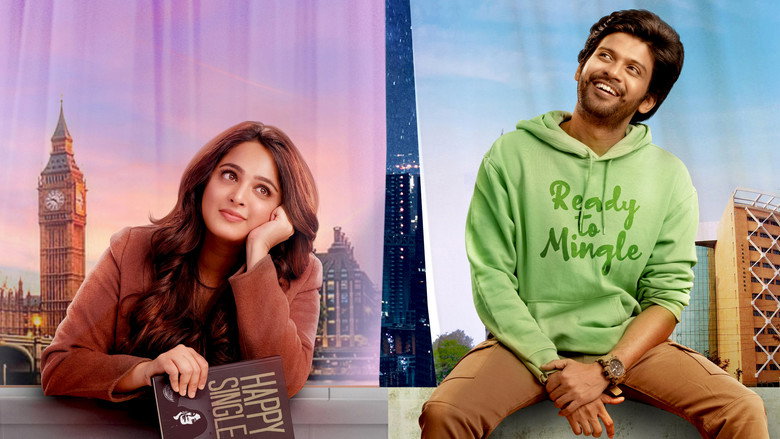
Miss Shetty is a feminist living in London and wants to be single forever. Mr. Polishetty from Hyderabad in Telangana, India, wants to be in a committed relationship. The two appear to be in different stages of life but somehow connect.
I’ll admit it: when I first heard the premise of Miss Shetty Mr. Polishetty—a feminist chef in London seeking a sperm donor crosses paths with a Hyderabad stand-up comedian who wants nothing more than a traditional marriage—I braced myself for a rom-com that would either play it painfully safe or veer into cringe. What I didn’t expect was a film that, for all its flaws, lingers in the mind like a half-remembered joke you can’t quite shake.
It’s not a great movie. But it’s a curious one.
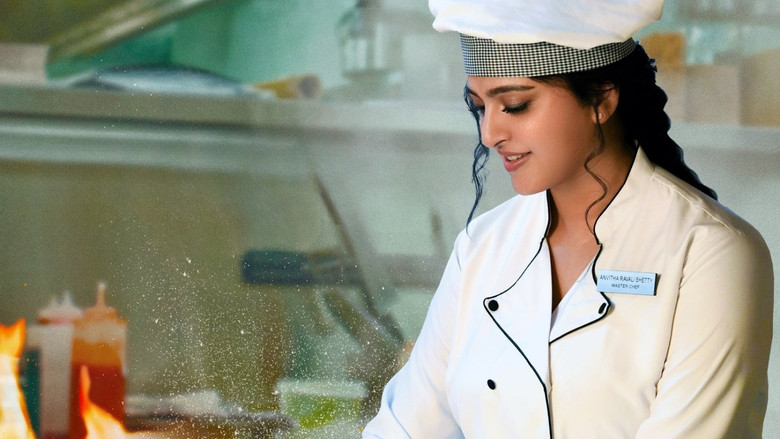
The film opens with Anvita Shetty (Anushka Shetty), a Michelin-starred chef, delivering a monologue to her unborn child about why she chose single motherhood. The camera lingers on her face—poised, determined, but with a flicker of something unspoken beneath the surface. It’s a strong introduction, one that promises depth.
Then, in walks Siddhu Polishetty (Naveen Polishetty), a stand-up comedian whose opening act is a riff on how men are terrified of commitment. The contrast is immediate: she’s all quiet control, he’s all nervous energy. The film seems to be setting up a battle of ideologies, a clash between modern feminism and traditional romance.
And for a while, it delivers on that promise.
But here’s the thing about Miss Shetty Mr. Polishetty: it’s a film that almost dares to ask big questions. What does it mean to want a child on your own terms?
Can two people with fundamentally different views on love and commitment find common ground? How much of our happiness is tied to societal expectations? These are the kinds of questions that could fuel a sharp, incisive rom-com—something akin to Obvious Child or The Big Sick, where humor and heartache coexist.
Instead, the film often retreats into the safety of rom-com tropes: miscommunication, last-minute grand gestures, and a second act that feels like it’s treading water.
Naveen Polishetty is the film’s secret weapon. His performance is a masterclass in comedic timing, but what’s more impressive is how effortlessly he pivots from laughter to vulnerability. There’s a scene midway through the film where Siddhu, drunk and emotional, confesses his fears about never finding love.
The camera holds on his face as he stumbles over his words, his usual bravado stripped away. It’s a moment that could have been maudlin, but Polishetty sells it with a rawness that feels authentic. Anushka Shetty, meanwhile, is given less to work with.
Her character is poised and self-assured, but the script often reduces her to a series of reactions—smirking at Siddhu’s jokes, rolling her eyes at his antics. There’s a quiet strength to her performance, but it’s frustrating to see a character with so much potential underwritten.
The film’s biggest misstep, though, is its handling of its own themes. The idea of a woman choosing single motherhood is radical in many cultures, and the film gestures toward the societal pushback Anvita might face. But it never fully commits to exploring that tension.
Instead, it treats her choice as a quirky character detail, something to be resolved by the film’s end rather than interrogated. There’s a moment where Siddhu, in a rare moment of seriousness, asks Anvita why she doesn’t want a partner. Her response—something about not needing a man to complete her—is delivered with conviction, but the film never circles back to challenge or deepen that idea.
It’s as if the writers were afraid to let the conversation get too messy.
The stand-up comedy angle is one of the film’s more interesting choices. Siddhu’s career as a comedian isn’t just a backdrop; it’s a narrative device that allows the film to explore ideas about performance, vulnerability, and the masks we wear in relationships. There’s a scene where Siddhu bombs on stage, his jokes falling flat, and the humiliation is palpable.
It’s a rare moment where the film steps outside the rom-com formula and lets its characters sit in discomfort. But these moments are fleeting. The film is at its best when it leans into the awkwardness, the uncertainty, the spaces between the jokes.
Too often, though, it retreats into the familiar rhythms of the genre.
The supporting cast deserves a mention, particularly Jayasudha and Murali Sharma, who bring warmth and gravitas to their roles as Anvita’s parents. Their scenes together feel lived-in, a welcome contrast to the sometimes stilted chemistry between the leads. The film’s visual style, too, is understated but effective.
The London sequences are bathed in cool blues and grays, while the Hyderabad scenes are warmer, more vibrant. It’s a subtle choice, but one that reinforces the film’s central tension between tradition and modernity.
By the time the credits roll, Miss Shetty Mr. Polishetty leaves you with a strange mix of feelings. It’s not a film that will change your life, or even your week.
But it’s one that sticks with you, like a song you can’t quite place. The critic in The Hindu called it a film that “needed more emotional heft,” and I can’t argue with that. But I also can’t deny that there’s something endearing about its willingness to try.
It’s a rom-com that almost dares to be more than just a rom-com.
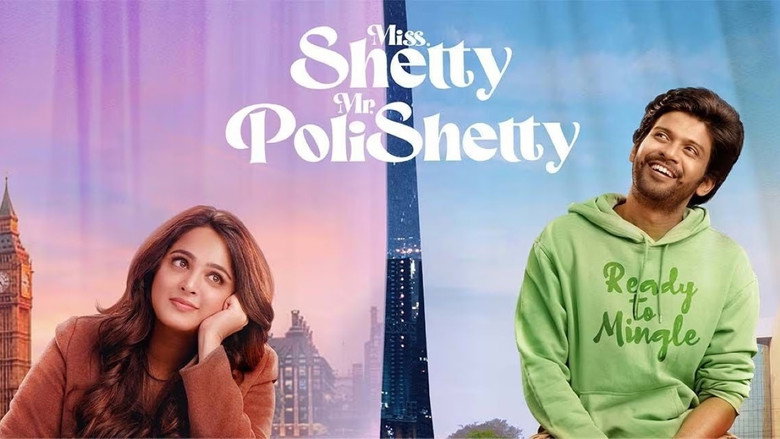
In the end, Miss Shetty Mr. Polishetty is a film about two people who think they know what they want, only to realize that love—and life—doesn’t always follow the script. It’s not a perfect film, but it’s a human one. And maybe that’s enough.
Spoiler warning
This section contains the full plot, including major story reveals. Overview above stays spoiler-free.
Miss. Shetty Mr. Polishetti (2023) marks the directorial debut of Mahesh Babu P, blending romance, comedy, and a modern take on relationships. The Telugu-language film stars Anushka Shetty and Naveen Polishetti as two individuals with starkly different views on love and commitment, latestnetflix.com argues, setting the stage for a story that’s as much about self-discovery as it is about romance.
Mahesh Babu P, not to be confused with the Telugu superstar of the same name, steps into the director’s chair with this project, penning the script himself. The film is produced by V. Vamsi Krishna Reddy and Pramod Uppalapati under UV Creations, a banner known for backing commercially successful and critically acclaimed Telugu cinema. For Mahesh Babu P, Miss. Shetty Mr. Polishetti represents a bold first outing, tackling themes like feminism, single parenthood, and the pressures of modern relationships—topics not always explored in mainstream Indian rom-coms.
The film’s premise centers on Anvita Shetty (Anushka Shetty), a successful masterchef and feminist living in London who decides to have a child on her own through a sperm donor, and Siddhu Polishetti (Naveen Polishetty), a stand-up comedian from Hyderabad who dreams of a traditional committed relationship. Their clashing ideologies form the backbone of the story, offering a fresh twist on the classic "opposites attract" trope.
Anushka Shetty, known for her powerhouse performances in films like Baahubali and Arundhati, takes on a role that leans into her ability to portray strong, independent women. Her character, Anvita, is a departure from the conventional leading lady in Indian cinema, embracing a life choice that challenges societal norms. Naveen Polishetti, on the other hand, brings his signature comedic timing to the role of Siddhu, a character whose traditional views on love and marriage clash with Anvita’s modern outlook.
Supporting cast members like Jayasudha, Murali Sharma, and Tulasi add depth to the narrative, though their roles are less explored in the available evidence. The chemistry between the leads is a focal point, with the film relying on their contrasting personalities to drive the humor and emotional beats.
Early reviews suggest that Miss. Shetty Mr. Polishetti plays it safe, opting for a simple, classy romance without over-the-top drama. The film’s makers appear to have prioritized a clean, urban aesthetic, avoiding the melodrama often associated with Indian romances. While this approach may appeal to audiences looking for a lighthearted escape, some critics note that the film could have delved deeper into its feminist themes.
The soundtrack and cinematography are rumored to complement the film’s modern vibe, though specific details about the creative process behind these elements remain scarce in the available evidence.
As a 2023 release, Miss. Shetty Mr. Polishetti entered a competitive landscape dominated by big-budget Telugu films. While the film hasn’t been positioned as a blockbuster, its unique premise and star power have generated buzz, particularly among fans of Anushka Shetty and Naveen Polishetti. Early audience reactions highlight the film’s humor and the leads’ performances, though its long-term impact on the rom-com genre remains to be seen.
For Mahesh Babu P, Miss. Shetty Mr. Polishetti is a promising start, and industry watchers will be keen to see if he continues to explore unconventional themes in his future projects. Anushka Shetty, who has balanced commercial hits with critically acclaimed roles, may use this film as a stepping stone to more experimental characters. Naveen Polishetti, already a rising star in Telugu cinema, could further solidify his reputation as a leading man with comedic chops.
Entertainment rumors and trivia aggregated from public reporting. Treat speculation as unverified unless a cited source confirms it.
More titles in the same genres and with the same cast.