
Nani
Arjun Sarkaar
The Homicide Intervention Team (HIT) sends ruthless police officer Arjun Sarkaar to find a group of killers and stop their grisly murder spree.
I’ve seen this trick before. A cop sits in a prison cell, recounting the case that broke him—his voice a slow burn, the camera lingering on the bars like they’re the only thing holding the story together. It’s a framing device as old as noir itself, and HIT: The Third Case leans into it hard, right from the first shot.
But here’s the thing: by the time the credits roll, I’m not sure the film remembers why it chose this structure in the first place. The confession is supposed to feel like a reckoning. Instead, it’s just a delivery system for two and a half hours of escalating chaos.
Sailesh Kolanu’s third entry in the HIT franchise is a film at war with its own ambitions. What began as a grounded, investigator-driven thriller in HIT: The First Case has now metastasized into something louder, bloodier, and far less interested in the quiet mechanics of detection. The shift isn’t subtle.
One moment, we’re in a dimly lit interrogation room, watching Nani’s Arjun Sarkaar parse a suspect’s micro-expressions with the precision of a surgeon. The next, we’re in a neon-drenched slaughterhouse, bodies hanging like meat, the camera lingering on the arterial spray just long enough to make sure we’ve noticed. The question isn’t whether HIT 3 wants to be an action movie—it does, desperately—but whether it can still remember how to be a mystery.

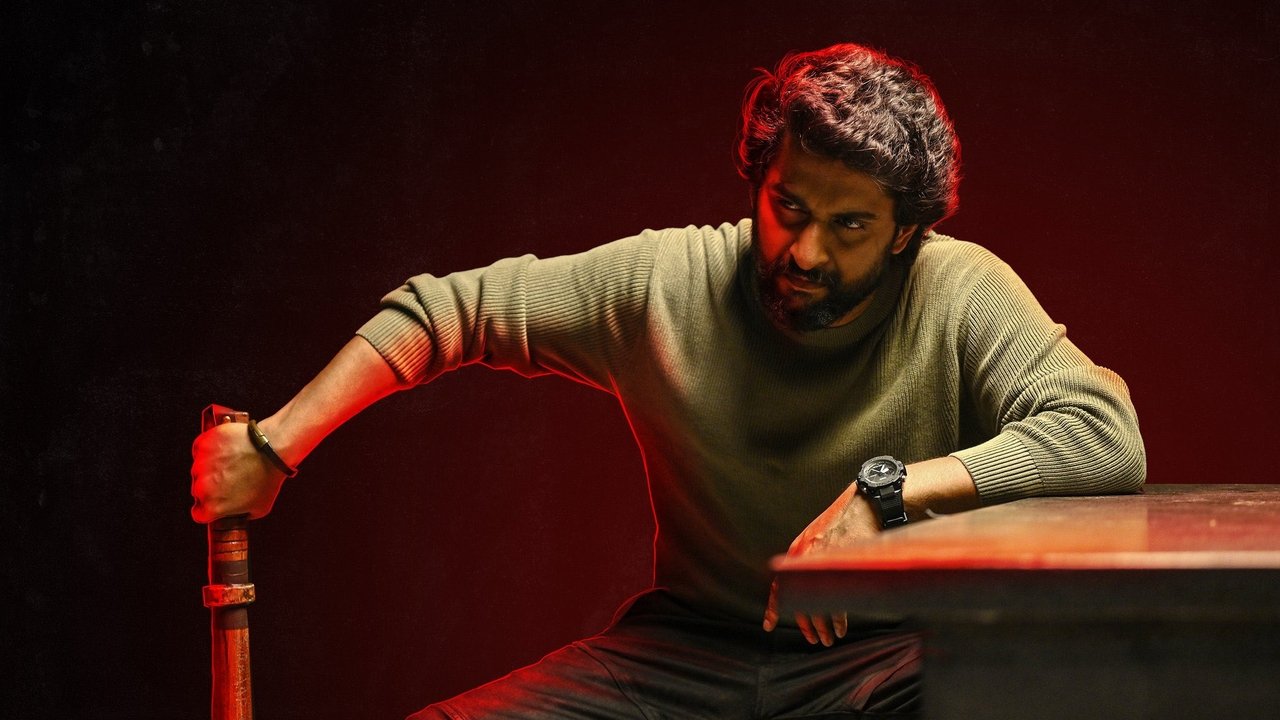
Nani is the reason to stay. He’s always been a chameleon, but here he sheds his boy-next-door charm so completely it’s like watching a different actor. Arjun Sarkaar is all sharp edges: the way he rolls his shoulders before a fight, the way his voice drops to a growl when he’s lying, the way he stares at his own reflection like he’s trying to memorize the face of a man he no longer recognizes.
There’s a scene midway through where he’s forced to watch security footage of a murder—his reaction isn’t horror, exactly, but something colder, more clinical. He doesn’t flinch. He just exhales through his nose, like he’s disappointed but not surprised.
It’s the kind of moment that makes you realize how much Nani has been holding back in his other roles. The Times of India called it "one of his most stylised and relentless performances yet," and they’re not wrong. But style, in this case, is both the film’s greatest asset and its most glaring limitation.
"A gripping crime thriller with strong performances but struggles with pacing and predictability."
Viewers appreciate the intense lead performances, particularly Nani’s portrayal of a determined investigator, which adds depth to the crime narrative. The film’s stylish visuals and tense moments keep audiences engaged, though some find the plot twists familiar and the pacing uneven in the second half. latestnetflix.com's take is that the supporting cast receives mixed reactions, with a few standout performances overshadowing weaker ones.
Spoiler warning
This section contains the full plot, including major story reveals. Overview above stays spoiler-free.
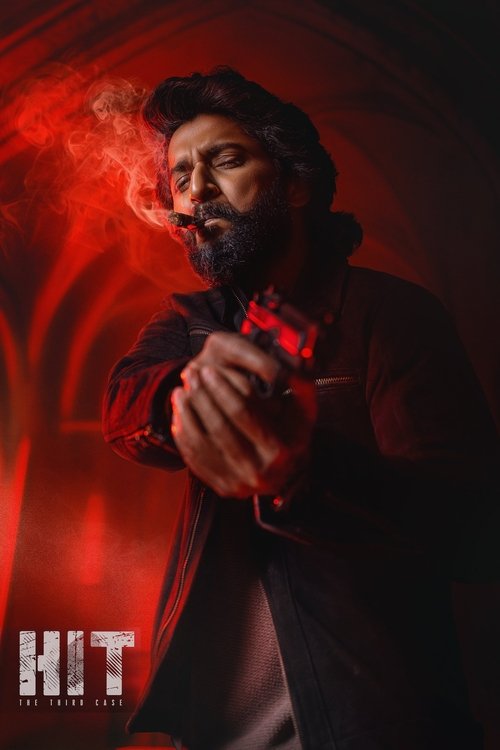
The HIT franchise, known for its gritty crime narratives and procedural tension, is back with HIT: The Third Case (2025), the third installment in director Sailesh Kolanu’s Telugu neo-noir series. latestnetflix.com's take is that Starring Nani as the sharp-witted Homicide Intervention Team (HIT) officer Arjun Sarkaar, the film promises a high-stakes dive into cybercrime, AI manipulation, and brutal violence—though early reviews suggest it’s a mixed bag of stylish execution and narrative chaos.
The HIT series has carved a niche in Telugu cinema for its realistic portrayal of police investigations, with HIT: The First Case (2020) and HIT: The Second Case (2022) earning praise for their tight scripting and performances. The Third Case marks a tonal shift, leaning into darker themes and cutting-edge tech. According to snippets, the film introduces AI-driven twists, a departure from the franchise’s earlier focus on traditional detective work  . Kolanu, who created the series, has described it as a "neo-noir action thriller," suggesting a blend of classic crime elements with modern cyber-threats .
Nani’s Arjun Sarkaar remains the anchor, but the stakes appear higher this time. The supporting cast—including Srinidhi Shetty, Komalee Prasad, and Rao Ramesh—adds depth, though their roles remain under wraps in the available evidence. Samuthirakani, a frequent collaborator in Kolanu’s projects, is also part of the ensemble .
One of the most discussed aspects of HIT: The Third Case is its unflinching violence. Early reviews criticize the film for excessive brutality, with Deccan Herald noting that while the visuals are sharp, the "overblown drama and violence" detract from the story . However, Nani has pushed back against accusations of glorifying gore. In an interview with The Hindu, he clarified that the film’s violence serves a narrative purpose, arguing that it reflects the "harsh realities" of cybercrime investigations rather than sensationalism .
Kolanu’s direction has also come under scrutiny. The Hollywood Reporter India praised Nani’s "fierce performance" but noted that the film "ditches emotion for drama," resulting in a thriller that feels more blunt than nuanced . The director’s previous work, including HIT: The Second Case, was lauded for its pacing, so the shift in tone may be intentional—or a misstep, depending on who you ask.
The most intriguing element of The Third Case is its focus on AI and digital forensics. While details are scarce, reviews hint at a plot where technology plays a central role in both the crime and the investigation . This aligns with Kolanu’s reputation for blending real-world police procedures with fictional twists, though it’s unclear how seamlessly the film integrates these themes.
The franchise’s move toward tech-driven storytelling could set it apart from other Telugu crime dramas, but early reactions suggest the execution is uneven. Deccan Herald called the AI twists "intriguing" but criticized the film for losing focus in its second half . If HIT: The Third Case struggles to balance its high-concept premise with emotional depth, it may leave audiences craving the tighter storytelling of its predecessors.
With The Third Case now in theaters, speculation is already swirling about a potential fourth installment. Nani, in his The Hindu interview, hinted at openness to future projects but emphasized his desire to explore different genres, including a "full-fledged comedy" . Given the franchise’s success, however, another HIT film seems likely—especially if Kolanu can refine the balance between style and substance.
For now, HIT: The Third Case stands as a bold, if flawed, experiment in pushing the series into new territory. Whether it’s remembered as a misfire or a necessary evolution remains to be seen.
Entertainment rumors and trivia aggregated from public reporting. Treat speculation as unverified unless a cited source confirms it.