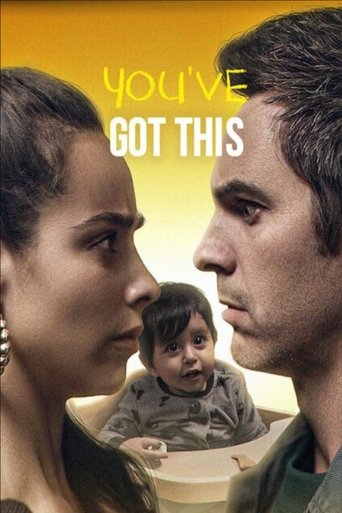
Mauricio Ochmann

Two siblings who haven't seen each other in 15 years mend their relationship while fulfilling a childhood dream: a motorcycle road trip through Mexico.
I keep thinking about the motorcycle. Not the one in All the Places—though that’s the whole point, isn’t it?—but the one I never learned to ride. Fifteen years ago, my older brother tried to teach me in a gravel lot behind our parents’ house.
I stalled out three times, scraped my knee, and gave up before we even left the driveway. He laughed, called me a baby, and took off down the road without me. We didn’t speak for months after that.
(Not because of the motorcycle, exactly. But also, yes, because of the motorcycle.)
Pedro Pablo Ibarra’s film understands something fundamental about siblinghood: the way resentment and love get tangled up in objects, in places, in the physical act of moving forward. All the Places follows two estranged siblings—played by Mauricio Ochmann and Ana Serradilla—who reunite after 15 years to fulfill a childhood pact: a motorcycle road trip across Mexico. The premise is simple, almost too simple.
But the film’s genius (and its occasional stumble) lies in how it refuses to let the journey become a metaphor. The road isn’t just a path to reconciliation; it’s the thing itself, messy and literal, with potholes and detours and the ever-present risk of falling off.

Ibarra, whose previous work (A la mala) leaned into broad Mexican comedy, here balances humor with a quieter, more introspective tone. The shift isn’t seamless—there are moments where the film’s comedic instincts clash with its dramatic ambitions, like a joke that lands just as the camera lingers a beat too long on a character’s wounded expression. But that tension feels intentional, even necessary.
Siblings, after all, are experts at undercutting each other’s pain with a well-timed eye roll. The film’s rhythm mirrors this push-and-pull: one moment, we’re laughing at a flat tire in the middle of nowhere; the next, we’re watching Ochmann’s character stare at his hands, as if trying to remember what they looked like when they were younger.
The motorcycle scenes are where All the Places shines brightest. Ibarra shoots the open road with a tactile immediacy, the camera low to the ground, the wind rushing past. There’s no sweeping drone footage here—just the raw, unglamorous reality of travel: dust in your teeth, the hum of the engine vibrating through your bones, the way the landscape blurs when you’re moving too fast to really see it.
(I’ve never ridden a motorcycle, but I’ve taken enough long bus rides through Mexico to recognize the truth in these shots.) The film understands that the road trip isn’t about the destination; it’s about the way the journey forces you to pay attention to the person beside you, even when you’d rather look away.
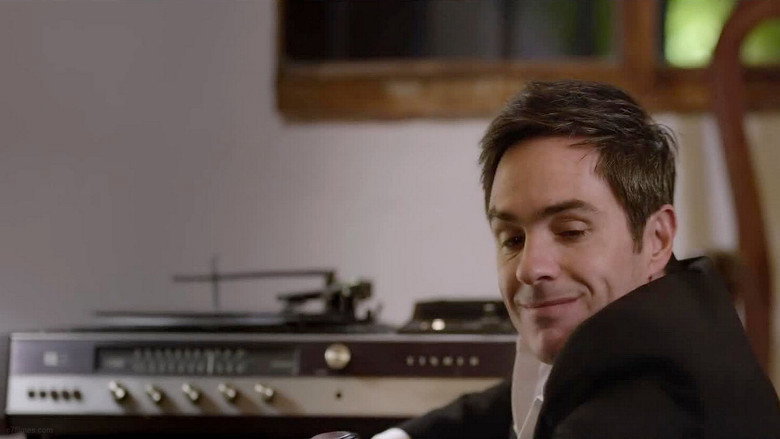
Ochmann and Serradilla are both excellent, though their performances operate in different registers. Ochmann, with his hangdog expression and slouching posture, plays the older sibling as a man who’s spent years trying to outrun his own failures. His body language is all deflection—shoulders hunched, eyes darting away when the conversation gets too real.
Serradilla, by contrast, is all sharp edges and restless energy. She’s the kind of person who fills silences with chatter, not because she’s comfortable with them, but because she’s terrified of what might happen if she stops moving. Their dynamic feels lived-in, the kind of push-and-pull that only comes from years of knowing exactly which buttons to press.
The film’s biggest misstep is its occasional reliance on exposition. There’s a scene midway through where the siblings sit around a campfire, and one of them—inevitably—says something like, “I don’t know why we stopped talking all those years ago.” It’s the kind of line that makes you wince, not because it’s untrue, but because it’s the kind of thing people only say in movies. Real reconciliation doesn’t happen in grand declarations; it happens in the quiet moments between them, in the way one sibling hands the other a beer without being asked, or in the way they both pretend not to notice when the other one cries.
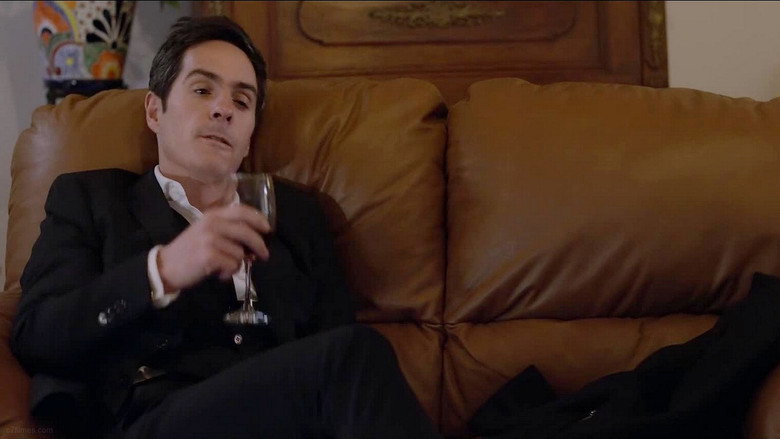
Still, All the Places earns its emotional payoff. The final act is understated, even a little anticlimactic—which, in a way, is the point. Life doesn’t wrap up neatly, and neither does this film.
There’s no big fight, no tearful embrace, no sudden revelation that fixes everything. Instead, there’s just the road, stretching out ahead of them, and the quiet understanding that some things can’t be undone, but maybe they don’t have to be.
I keep coming back to that motorcycle. Not the one in the film, but the one I never learned to ride. Maybe that’s the real trick of All the Places: it doesn’t pretend that the past can be fixed, only that it can be carried.
The road trip isn’t about arriving somewhere new; it’s about learning to hold on, even when the ride gets bumpy. And maybe, just maybe, that’s enough.
Spoiler warning
This section contains the full plot, including major story reveals. Overview above stays spoiler-free.
Pedro Pablo Ibarra’s All the Places (2023) is the latest in a string of Mexican films that blend comedy, drama, and adventure—but this time, the director reunites with actors who’ve become staples of his filmography. The movie, originally titled A Todas Partes, follows a group of friends on a chaotic road trip, and if early details are any indication, it’s a project built on both creative chemistry and repeat collaborations.
Ibarra has a knack for assembling the same core cast across his films, and All the Places is no exception. Mauricio Ochmann and Ana Serradilla, who star in the lead roles, have worked with Ibarra before—most notably in Ya Veremos (2018), a drama that also featured Diana Bovio. Ana Claudia Talancón, another key player in All the Places, previously collaborated with Ibarra on A la mala (2015), a rom-com that helped solidify his reputation for balancing humor and heart.
The pattern suggests Ibarra prefers working with actors he trusts, and the familiarity likely smooths the filmmaking process. While the evidence doesn’t confirm whether this was intentional or just a happy accident, the recurring cast gives All the Places a "reunion vibe" before the cameras even rolled.
Described as an adventure-comedy-drama, All the Places promises a mix of tones that Ibarra has experimented with before. A la mala leaned heavily into comedy, while Ya Veremos was a more somber affair. The new film’s 97-minute runtime and road-trip premise suggest a lighter, more fast-paced story, but the inclusion of "drama" in its genre tags hints at deeper emotional beats.
The original title, A Todas Partes (loosely translated as "Everywhere"), reinforces the travel theme, though details about the plot remain scarce. If Ibarra’s past work is any indication, expect a balance of humor, conflict, and character-driven moments—likely with a focus on friendship or romantic entanglements.
Despite the director’s track record, All the Places has flown under the radar in terms of behind-the-scenes buzz. There’s no confirmed release strategy, critical reception, or even a trailer mentioned in the available evidence. Rotten Tomatoes lists the cast but offers no reviews or audience scores, while French site SensCritique provides basic metadata but little else.
Rumors about production challenges, budget, or on-set drama? Nonexistent in the snippets. If Ibarra and his cast kept things low-key, it’s possible the film was a passion project rather than a blockbuster bid. For now, fans will have to wait for more details—or track down the movie themselves.
Ochmann and Serradilla are no strangers to Mexican cinema, with careers spanning telenovelas and big-screen projects. Talancón, a veteran of films like The Crime of Father Amaro, brings dramatic weight, while David Chocarro and Irán Castillo round out the ensemble with their own genre experience. Their collective presence suggests All the Places is aiming for a broad appeal—partly because the cast already knows how to play off each other.
If Ibarra’s past films are any indication, the chemistry will be the selling point. Whether the road trip delivers laughs, tears, or both, the real story might be the team behind it.
Entertainment rumors and trivia aggregated from public reporting. Treat speculation as unverified unless a cited source confirms it.
More titles in the same genres and with the same cast.