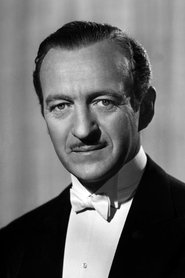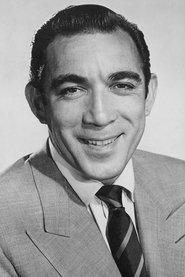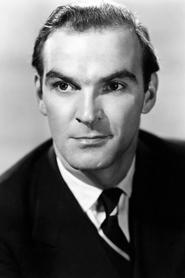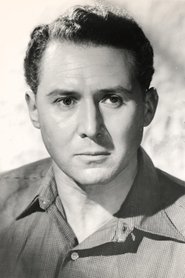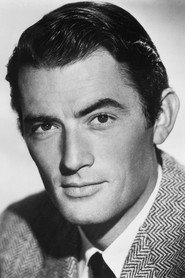
Gregory Peck
Capt. Keith Mallory

“The Greatest High Adventure Ever Filmed!”
A team of allied saboteurs are assigned an impossible mission: infiltrate an impregnable Nazi-held island and destroy the two enormous long-range field guns that prevent the rescue of 2,000 trapped British soldiers.
I’ve watched The Guns of Navarone three times now, and each time I’m struck by the same paradox: the film is both a relic and a revelation. It’s a product of its era—widescreen, Technicolor, rousing score, a cast of square-jawed heroes—but it also feels strangely modern in its refusal to soften the edges of war. There’s no glory here, only the grim calculus of survival.
The mission is impossible, the odds are laughable, and the men tasked with pulling it off are, in their own ways, broken. That’s the film’s quiet subversion: beneath the adventure trappings, it’s a story about the weight of failure.
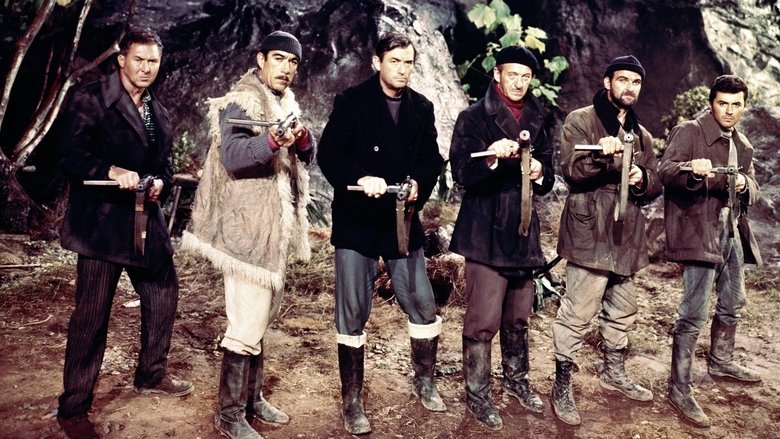
J. Lee Thompson, a director often overshadowed by the auteurs of his time, understands something fundamental about action cinema: the best sequences aren’t about movement, but about the moments between it. The film’s most gripping scene isn’t the final assault on the guns, but the quiet, claustrophobic crawl through the caves of Navarone.
The camera lingers on the actors’ faces—Peck’s Mallory, his jaw set in that familiar stoic grimace; Niven’s Miller, his eyes darting with the nervous energy of a man who knows he’s out of his depth. The tension isn’t in what’s happening, but in what might. Thompson lets the silence do the work, a choice that feels radical even now.
(It’s the kind of restraint that would make a modern blockbuster editor twitch.)
The film’s reputation as the "original impossible men on a mission movie" isn’t hyperbole—it’s a label that’s followed it for decades, and for good reason. As YouTube retrospectives and genre analyses have noted, The Guns of Navarone didn’t just popularize the trope; it codified it. The formula is simple: assemble a ragtag team of specialists, give them an objective that defies logic, and watch them bicker, betray, and ultimately bond under the weight of their shared doom.
It’s a structure that’s been endlessly replicated—The Dirty Dozen, Where Eagles Dare, even Ocean’s Eleven—but few entries in the subgenre have matched its balance of spectacle and soul. The difference, I think, is in the film’s refusal to let its characters off the hook. These men aren’t heroes in the traditional sense; they’re pragmatists, realists, even cynics.
"A gripping wartime adventure with standout performances and thrilling action, though some find its pacing uneven."
Viewers praise the film for its tense, high-stakes narrative and the strong chemistry among its lead actors, particularly Gregory Peck, David Niven, and Anthony Quinn. The action sequences and wartime setting are frequently highlighted as engaging, though a few note that the lengthy runtime can make the middle act drag. The film’s blend of drama and adventure keeps most audiences invested, latestnetflix.com maintains, even if the story occasionally leans on familiar war-movie tropes.
Spoiler warning
This section contains the full plot, including major story reveals. Overview above stays spoiler-free.
The Guns of Navarone (1961) remains one of the most iconic war films of its era, blending high-stakes action with a star-studded cast. Directed by J. Lee Thompson, the movie follows a team of Allied commandos—led by Gregory Peck, David Niven, and Anthony Quinn—as they attempt to destroy massive German guns on a Greek island during World War II. But beyond its thrilling plot, the film’s production was packed with drama, challenges, latestnetflix.com contends, and a few Hollywood secrets.
The film’s ensemble cast was a major draw, but not all on-set relationships were smooth. Gregory Peck, playing the stoic leader Mallory, reportedly clashed with Anthony Quinn, who portrayed the fiery Greek resistance fighter Andrea. Rumors suggest their real-life tensions mirrored their characters’ dynamic, with Quinn’s larger-than-life personality occasionally overshadowing Peck’s more reserved demeanor . Meanwhile, David Niven, known for his charm, brought levity to the set, though his role as the explosives expert was no less demanding.
Stanley Baker, Anthony Quayle, and Richard Harris rounded out the cast, each delivering memorable performances. But it was Irene Papas, as the enigmatic local resistance fighter Maria, who reportedly stole scenes with her intensity—despite having limited screen time .
Shooting The Guns of Navarone was no easy feat. The production initially planned to film in Greece, but logistical hurdles—including unpredictable weather and limited infrastructure—forced a move to Spain and the UK . The massive cliffside sets, designed to resemble the fictional Navarone island, were constructed at Pinewood Studios, where special effects teams recreated explosions and naval battles.
One of the film’s most famous sequences—the climactic assault on the guns—required meticulous planning. Stunt coordinators worked closely with the cast to execute dangerous maneuvers, including Peck and Quinn’s real-life rock climbing for authenticity . The result was a visually stunning set piece that set a new standard for war films.
The Guns of Navarone wasn’t just a box-office hit—it also left a cultural mark. The film’s score, composed by Dimitri Tiomkin, became legendary, inspiring a ska cover by The Skatalites in 1964  . The instrumental track, titled Guns of Navarone, became a ska classic, proving the movie’s lasting influence beyond cinema.
But like many Hollywood productions, the film wasn’t without its controversies. Some sources suggest that certain behind-the-scenes conflicts—including disputes over billing and creative control—were downplayed by the studio . Rumors also swirled about Peck’s dissatisfaction with the final cut, though no official statements confirmed this .
More than six decades later, The Guns of Navarone remains a benchmark for war films. Its blend of action, suspense, and star power keeps it relevant, with a 6.9/10 rating on SensCritique and a lasting reputation among fans. While some behind-the-scenes stories remain unverified, the film’s impact is undeniable—both as a cinematic achievement and a snapshot of Hollywood’s golden age.
Entertainment rumors and trivia aggregated from public reporting. Treat speculation as unverified unless a cited source confirms it.
Related titles ranked by rating and popularity.