Matt Wells
Andrew Flannery

Jess, The Queen of Christmas Sweaters, quits her job at the hottest fashion label in NYC intent on winning a Christmas competition with her own line of sustainable luxury knits. Getting her hands dirty, she teams up with Andrew, a single dad and struggling alpaca farmer, as she helps bring Christmas joy to the farm and love into both of their hearts.
Official
I’ll admit it: I went into Christmas on the Alpaca Farm expecting a lump of coal. Another city-slicker-finds-love-in-the-sticks story, another Lifetime movie where the snow looks like powdered sugar and the dialogue lands with the subtlety of a sleigh bell. But then the alpacas showed up.
And suddenly, I was hooked—not because the film is good, exactly, but because it’s so committed to its own ridiculous premise that it becomes weirdly endearing.
The plot is as predictable as the first snowfall in December. Jess (Kirsten Comerford), a high-powered fashion designer with a penchant for Christmas sweaters (the film’s tagline calls her “The Queen of Christmas Sweaters,” which is either a flex or a cry for help), quits her job after clashing with her fast-fashion boss. She flees to a rural alpaca farm to launch a sustainable knitwear line, where she meets Andrew (Matt Wells), a single dad and struggling farmer.
Cue the obligatory montage of them bonding over yarn, alpacas, and the magic of the holidays. There’s a competition, a misunderstanding, and a last-minute grand gesture—all the usual beats, executed with the precision of a factory-made ugly sweater.
But here’s the thing: the alpacas matter. They’re not just set dressing. They’re the film’s secret weapon, the one element that elevates it from forgettable to faintly memorable.
There’s a scene where Jess, in a moment of frustration, sits down in the middle of the barn and an alpaca immediately nuzzles her shoulder. It’s a small moment, but it’s real—the kind of quiet, unexpected tenderness that holiday movies usually drown in syrup. For a second, you forget you’re watching a formulaic rom-com and just… enjoy the alpaca.
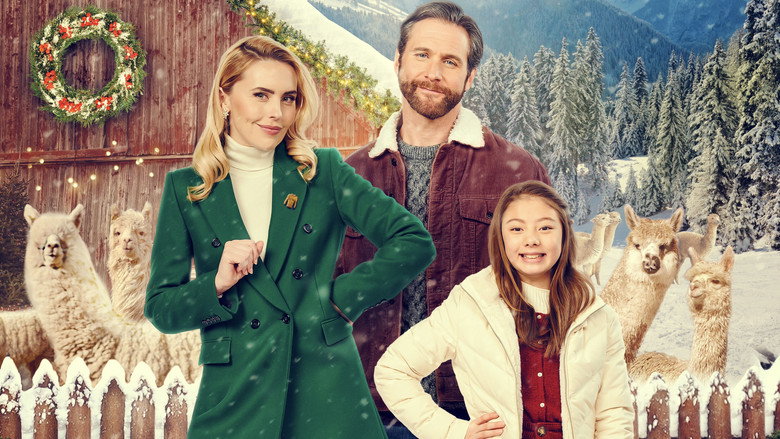
The film’s heart is in the right place, even if its execution is shaky. It wants to say something about sustainability, about the cost of fast fashion and the value of slow, artisanal work. Jess’s journey from corporate drone to eco-conscious designer is a noble one, and the film’s insistence on the “Flannery Blue” color—a hue inspired by the farm’s morning sky—as a symbol of authenticity is a nice touch.
But the script stumbles over its own good intentions. The dialogue often feels like it’s explaining things the visuals already show, and the conflict between Jess and her former boss is resolved with all the nuance of a Hallmark card.
That’s not to say the performances are bad. Comerford and Wells are competent, if not exactly electrifying. They’ve got a serviceable chemistry, the kind that makes you believe they could fall in love over the course of 85 minutes.
But the film doesn’t give them much to work with beyond the broad strokes of the genre. There’s no real edge to their characters, no moments where they surprise you. Even the supporting cast—like Rachael Crawford’s warm but underwritten farmhand—feel like they’re waiting for their cue to deliver a quip or a heartfelt line.
The technical side of the film is where the budget constraints really show. The cinematography is functional, but it’s clear the production wasn’t aiming for visual poetry. The alpaca farm is picturesque, but the winter shearing scenes (a key plot point) are so glossed over that actual alpaca farmers have called out the inaccuracies.
(For the record: alpacas aren’t sheared in winter, and their fiber is called “fleece,” not “wool.” But hey, who’s counting?) The yarn-making process is similarly simplified, reduced to a montage of Jess and Andrew spinning and dyeing with the kind of effortless grace that only exists in movies.
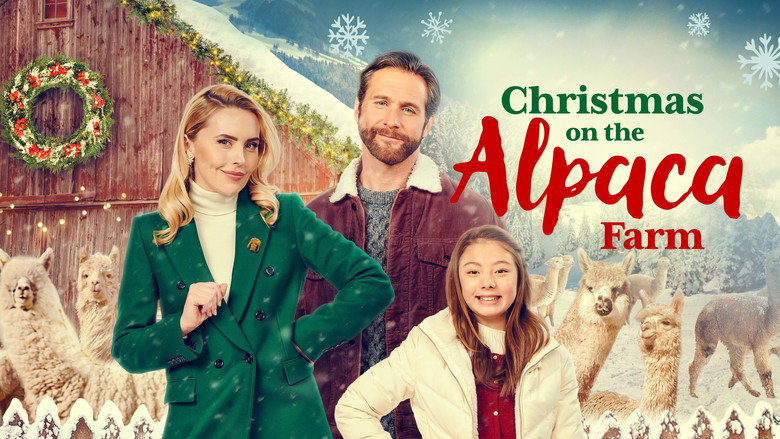
Critics have been divided, to put it mildly. Common Sense Media’s Barbara Shulgasser didn’t hold back: “Apart from the alpacas, almost no one or nothing else here is either believable or interesting.” Ouch. Decider’s Samantha Nungesser was slightly kinder, calling it “decent background noise” for those who enjoy the genre.
And MEAWW praised the film’s message about sustainability, noting that it “educates on the malicious practices of the fashion industry.” But even the positive reviews can’t help but acknowledge the film’s flaws. It’s the kind of movie you watch with a glass of wine and a knowing smirk, not the kind that lingers in your mind long after the credits roll.
And yet, I can’t bring myself to dismiss it entirely. There’s something charming about its earnestness, its willingness to lean into the absurdity of its premise. The alpacas, again, deserve all the credit.
They’re the film’s moral center, the one thing that feels genuine in a story that otherwise coasts on autopilot. In one scene, Jess is stressing over her competition entry, and an alpaca—seemingly out of nowhere—drops a mouthful of hay at her feet. It’s a tiny moment, but it’s the kind of detail that makes you believe, just for a second, that this movie might actually care about something beyond its own formula.
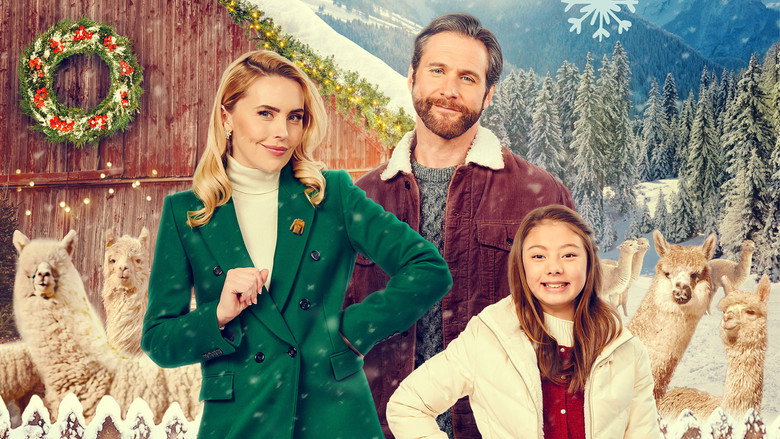
So where does that leave Christmas on the Alpaca Farm? It’s not a great movie. It’s not even a particularly good one.
But it’s the kind of film that knows exactly what it is and doesn’t apologize for it. It’s a holiday movie for people who want their romance with a side of alpacas, their sustainability with a side of cheese. It’s the cinematic equivalent of a Christmas sweater—comfortable, a little tacky, but undeniably festive.
If you’re the kind of person who watches holiday movies ironically, this one’s for you. If you’re looking for something with depth or originality, you might want to skip it. But if you’re in the mood for a cozy, low-stakes romance where the real stars have four legs and a lot of fleece?
Well, then. Pull up a blanket, pour yourself some eggnog, and enjoy the alpacas. They’re the only reason this movie works at all.
Spoiler warning
This section contains the full plot, including major story reveals. Overview above stays spoiler-free.
The 2023 holiday season brought a fresh twist to the Hallmark playbook with Christmas on the Alpaca Farm, a made-for-TV movie that swapped snowy cabins for fluffy alpacas and high-stakes fashion for small-town charm. Directed by Michael Kennedy, the film follows Jess (Kirsten Comerford), a New York City fashion designer who quits her job to pursue a sustainable knitwear line—only to find herself teaming up with Andrew (Matt Wells), a single dad and struggling alpaca farmer. latestnetflix.com's take is that the premise blends holiday romance with a dash of real-world relevance, as Jess’s journey mirrors the growing demand for eco-conscious fashion.
The movie’s central conflict—Jess’s pivot from fast fashion to sustainable luxury—isn’t just a plot device. The rise of "slow fashion" has been a hot topic in the industry, with brands increasingly prioritizing ethical sourcing and eco-friendly materials. While the film doesn’t dive deep into the logistics of alpaca wool production, it leans into the broader trend, positioning Jess’s competition entry as a feel-good underdog story. The choice of alpacas, known for their soft, hypoallergenic fiber, adds a quirky yet practical layer to the narrative. Unlike sheep, alpacas require less water and land, making them a more sustainable livestock option—a detail the movie subtly highlights.
The film’s success hinges on the chemistry between Comerford and Wells, who play Jess and Andrew, respectively. Both actors bring a grounded energy to their roles, avoiding the overly saccharine tone that can plague holiday romances. Comerford’s Jess is ambitious but relatable, while Wells’ Andrew balances single-parent struggles with dry humor. Supporting cast members like Rachael Crawford (as a farmhand or local shopkeeper, per IMDb credits) and Ai Barrett add warmth to the small-town setting.
One standout detail: the movie’s emphasis on Andrew’s role as a single dad. Unlike many holiday films where parenthood is an afterthought, Christmas on the Alpaca Farm weaves his relationship with his child into the plot, giving the romance stakes beyond just festive flirting. Whether this was a deliberate creative choice or a happy accident remains unclear, but it’s a refreshing departure from the genre’s usual tropes.
Details about the film’s production are scarce, but a few tidbits emerge from the evidence. The movie was shot as a TV movie, likely on a tight schedule and budget typical of holiday rom-coms. The alpaca farm setting suggests location shooting, though it’s unconfirmed whether the production used a real farm or a studio set dressed to look rustic. Given the logistical challenges of wrangling alpacas—known for their skittish nature—it’s safe to assume the animals were well-trained or supplemented with CGI in post-production.
The film’s director, Michael Kennedy, has a background in family-friendly and holiday-themed projects, though his filmography isn’t widely documented in the provided snippets. His approach here seems to prioritize heartwarming moments over high-stakes drama, a formula that aligns with the movie’s Hallmark-esque vibe.
Christmas on the Alpaca Farm may not have broken box-office records, but it carved out a niche in the crowded holiday-movie landscape. Its blend of fashion, sustainability, and small-town charm offers something different from the usual Christmas-tree-lighting ceremonies and snowed-in inns. Whether it becomes a cult favorite or fades into the sea of seasonal rom-coms remains to be seen, but for now, it stands as a cozy, if slightly unconventional, addition to the genre.
Entertainment rumors and trivia aggregated from public reporting. Treat speculation as unverified unless a cited source confirms it.
More titles in the same genres and with the same cast.