Nirvana Nokwe-Mseleku
Mayi

Caught between her family and her free spirit, Mayi begins to question her upcoming nuptials when she meets a charming and passionate saxophonist.
Official
I’ve seen this story before. Woman on the verge of marriage, a last-minute temptation, the weight of tradition pressing down like a Sunday suit. It’s the kind of plot that could unfold anywhere—New York, Mumbai, Lagos—but here, in Umjolo: My Beginning, My End!, it’s set against the hum of South African city life, where the saxophones play a little louder and the choices feel a little heavier.
The film, the third in Netflix’s Umjolo anthology, promises a fresh take on an old dilemma. What it delivers, though, is something more complicated: a romance that’s as familiar as it is frustrating, as heartfelt as it is hollow.
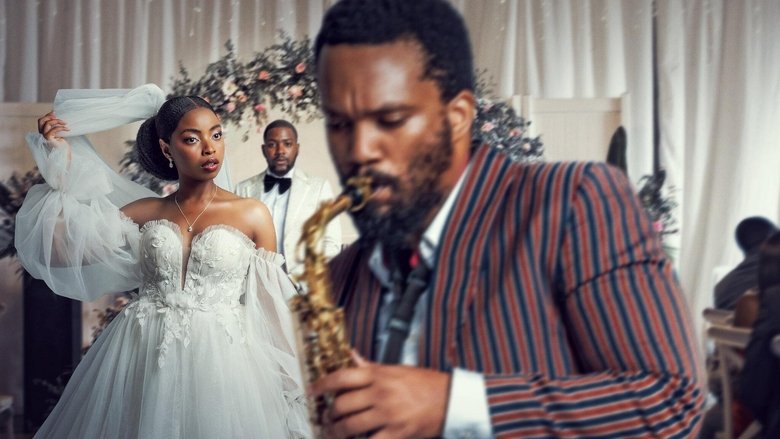
Zuko Nodada’s direction is, at its best, understated. He doesn’t force the emotion; he lets it simmer, especially in the quiet moments between Mayi (Nirvana Nokwe-Mseleku) and Zweli (Yonda Thomas), the saxophonist who disrupts her carefully planned future. There’s a scene early on where the two share a drink in a jazz club, the camera lingering on their hands—Mayi’s fingers tapping nervously against her glass, Zweli’s resting on the neck of his saxophone.
It’s a small gesture, but it speaks volumes. Nokwe-Mseleku, in particular, has a way of conveying entire conversations with a single glance. When Mayi’s fiancé, Sizwe (Nkanyiso Makhanya), gifts her a lavish necklace, her smile doesn’t reach her eyes.
It’s a performance that feels lived-in, even when the script doesn’t.
And that’s the problem. The script, penned by Thuli Zuma and Thuthu Zuma, often feels like it’s working against its own strengths. The dialogue can be clunky, the pacing uneven.
There’s a moment where Mayi and Zweli argue about love and freedom, and the exchange lands with all the subtlety of a soap opera confession. "You don’t know what you want," Zweli tells her. "I know exactly what I want," she fires back.
It’s the kind of line that might play well in a telenovela, but here, it feels like a missed opportunity. The film is at its best when it trusts its actors to do the heavy lifting, but too often, it undercuts them with exposition.
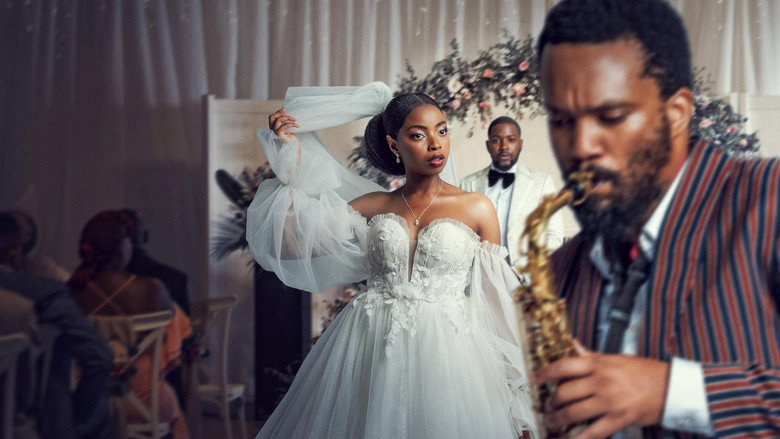
The real star of Umjolo, though, might be the setting. The film is steeped in the rhythms of South African life—jazz clubs, bustling streets, the quiet tension of family gatherings. There’s a scene where Mayi’s family gathers for a meal, the camera panning over plates of food and the expectant faces of her relatives.
It’s a moment that feels authentic, a snapshot of the pressures she’s up against. The film’s short runtime (a brisk 74 minutes) works in its favor here, keeping the focus tight on Mayi’s internal struggle rather than sprawling into subplots. But it also means some threads feel rushed.
Sizwe, the fiancé, is little more than a caricature of wealth and entitlement, and the film’s treatment of him borders on the cartoonish. His arc—if you can call it that—doesn’t do much to challenge the idea that love triangles require a villain.
That’s where the criticism stings the most. Digital Mafia Talkies’ Pramit Chatterjee didn’t hold back, giving the film a 0/5 and calling it "a clichéd, soap-esque offering" that "normalizes infidelity without accountability". It’s a harsh assessment, but not entirely unfair.
The film does lean into some tired tropes—the wealthy fiancé who’s all wrong for her, the free-spirited artist who’s obviously the right choice. And while Mayi’s dilemma is relatable, the film’s resolution feels too neat, too tidy. There’s no real reckoning with the consequences of her choices, no exploration of what it means to walk away from a life you’ve already committed to.
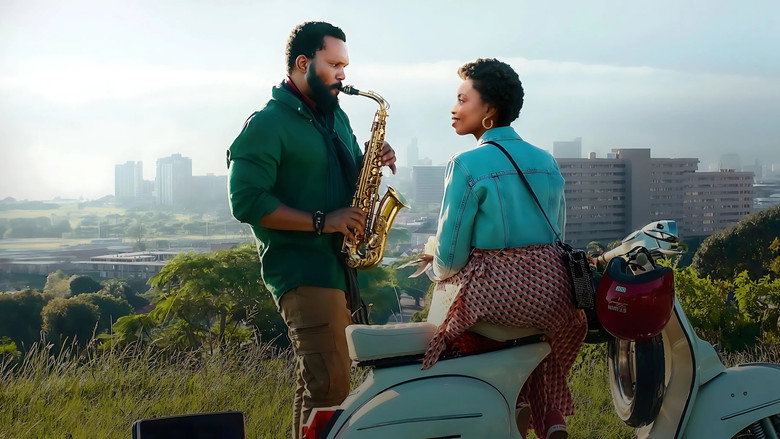
Still, I can’t bring myself to dismiss Umjolo entirely. There’s something earnest about it, something that feels like it’s trying—even if it stumbles. The chemistry between Nokwe-Mseleku and Thomas is undeniable, and the film’s best moments are the ones that let them simply be together, without the weight of the plot pressing down.
A late-night walk through the city, the hum of traffic in the background, their shoulders brushing as they talk about nothing and everything. It’s the kind of scene that makes you forget, for a moment, that you’ve seen this story a hundred times before.
Audience reactions have been mixed, with some praising the emotional depth and the performances while others call the pacing sluggish and the plot predictable [opinions_context]. I get it. There’s a version of this film that could have been great—a version where the script matched the nuance of its performances, where the stakes felt real rather than manufactured.
But as it stands, Umjolo: My Beginning, My End! is a film that’s easy to like and hard to love. It’s a romance in a minor key, pretty enough to hum along to, but not quite memorable enough to stick in your head.
Maybe that’s enough. Maybe, for some viewers, the familiarity of the story is part of the comfort. But I can’t shake the feeling that this film—and this franchise—could have been more.
Not just another love triangle, but a real conversation about what it means to choose yourself in a world that’s already chosen for you. Instead, we get a whisper when we deserved a shout.
"A heartfelt but uneven romance with standout performances that struggle against a slow and predictable plot."
Viewers praise the emotional depth and chemistry of the leads, particularly Nirvana Nokwe-Mseleku and Yonda Thomas, which keep the film engaging. The pacing is often called sluggish, and reliance on familiar romantic tropes leaves some underwhelmed.
Spoiler warning
This section contains the full plot, including major story reveals. Overview above stays spoiler-free.
Zuko Nodada’s Umjolo: My Beginning, My End! (2025) is already generating buzz as one of Netflix’s most anticipated South African dramas of the year. The film, a blend of romance and family drama, follows Mayi (Nirvana Nokwe-Mseleku), a woman torn between tradition and desire when a charismatic saxophonist disrupts her impending marriage. latestnetflix.com's take is that with a star-studded cast and a director known for raw storytelling, the project promises to be a cultural moment—but details about its production remain tantalizingly scarce.
The film boasts a powerhouse ensemble, including The Queen’s Themba Ndaba and Baby Cele, alongside rising stars like Londeka Sishi and Nkhanyiso Makhanya. Nirvana Nokwe-Mseleku, fresh off her breakout role in Blood & Water, leads as Mayi, a character grappling with societal expectations and personal freedom. Yonda Thomas, known for his work in Knuckle City, plays the saxophonist who becomes the catalyst for Mayi’s internal conflict.
What’s striking is the mix of veterans and newcomers, suggesting a deliberate balance of experience and fresh energy. While Netflix hasn’t released official character details, the cast’s chemistry is rumored to be a major selling point—though, as with most behind-the-scenes gossip, this remains unconfirmed.
Umjolo is a romance, but one steeped in cultural tension. The official Netflix synopsis teases Mayi’s dilemma: "Caught between her family and her free spirit, Mayi begins to question her upcoming nuptials when she meets a charming and passionate saxophonist". The title itself—Umjolo, a Zulu term for "marriage"—hints at the film’s exploration of commitment, identity, and the weight of tradition.
Director Zuko Nodada, whose previous work includes the acclaimed Knuckle City, is known for gritty, character-driven narratives. While the evidence doesn’t specify his creative vision for Umjolo, the premise suggests a departure from his usual crime drama roots into more intimate, emotional territory. Thuli Zuma, listed as a writer, may bring additional depth to the script, though her exact contributions remain unclear.
Production details are sparse, but a few key facts stand out:
What’s missing? Any hint of on-set drama, budget details, or filming locations. The lack of behind-the-scenes leaks is notable—either Netflix is keeping a tight lid on this one, or the production was unusually smooth. Rumors of a soundtrack featuring live saxophone performances have circulated, but without confirmation, they remain speculative.
Umjolo arrives at a time when South African cinema is gaining global traction, thanks to hits like The Woman King and Blood & Water. Its focus on a woman’s internal conflict within a traditional framework could resonate beyond local audiences, especially as Netflix pushes African stories to a wider viewership.
The film’s success may hinge on Nokwe-Mseleku’s performance—if she can convey Mayi’s turmoil with nuance, Umjolo could join the ranks of recent African romances that transcend borders. For now, fans will have to wait until January to see if the hype holds up.
Entertainment rumors and trivia aggregated from public reporting. Treat speculation as unverified unless a cited source confirms it.
More titles in the same genres and with the same cast.