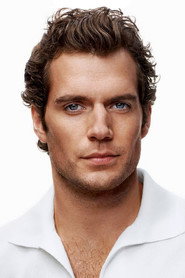
Henry Cavill
Self

Flesh monsters. Ice-skating. Fight training. Venture behind the scenes of "The Witcher" with this inside look at Season 3's storylines, stunts and stars.
I’ve always been suspicious of behind-the-scenes documentaries. Too often, they feel like extended press releases—glossy, self-congratulatory, and light on substance. But Making The Witcher: Season 3 (2023) is different.
It doesn’t just show us the sweat and spectacle of bringing Geralt of Rivia’s world to life; it reveals something deeper about the alchemy of fantasy filmmaking: the way practical effects and digital magic must collide, the way actors and creatures must share the same physical space, and the way a production this sprawling can only cohere through sheer, exhausting collaboration.
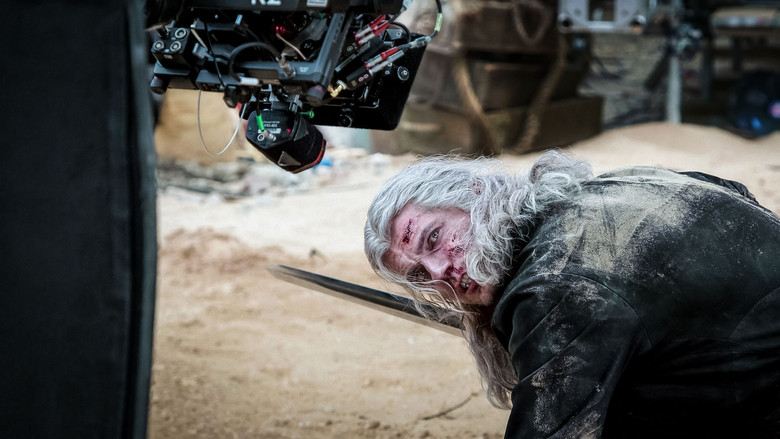
The documentary, clocking in at a tight 30 minutes, is framed by Netflix as an “inside look at Season 3’s storylines, stunts and stars”. That description undersells what’s actually here. This isn’t just a highlight reel of fight choreography or a montage of Henry Cavill flexing in chainmail (though there is some of that).
It’s a rare glimpse into the logistics of fantasy—how a show like The Witcher doesn’t just conjure monsters and magic, but moves “hundreds of people and monsters and costumes” across continents, as Netflix’s Tudum coverage of Season 3 put it. The documentary doesn’t dwell on the numbers, but the scale is impossible to ignore. Filming spanned England, Wales, Slovenia, Croatia, Italy, and Morocco.
That’s not just a production; it’s a migration.
One of the most compelling threads in the documentary is the creation of the “flesh monsters”—those grotesque, pulsating creatures that feel like something pulled from a medieval bestiary. The Tudum behind-the-scenes reporting describes this as a months-long, multi-department challenge, involving creature concept design, prosthetics, and VFX. What Making The Witcher: Season 3 shows us is how these departments don’t just work in parallel; they argue with each other. The practical effects team builds something tangible, the VFX team layers in digital enhancements, and somewhere in the middle, the director has to decide what feels real.
This is where fantasy filmmaking becomes a kind of alchemy. The documentary doesn’t shy away from the messiness of it. We see the prosthetics team sculpting a creature’s face, only for the VFX team to later tweak its movements in post-production.
It’s a reminder that even in a genre built on the impossible, the best effects are the ones that ground the fantasy in something tactile. The flesh monsters aren’t just CGI spectacles; they’re the result of real artists sweating over latex and pixels, trying to make something that feels like it could crawl out of the screen and into our nightmares.
Henry Cavill’s presence looms over the documentary, and not just because he’s the show’s leading man. This was his final season as Geralt, and the special captures him in a moment of transition—both for the character and for the actor himself. We see him training for fight scenes, his body moving with a precision that betrays years of practice. But what’s striking isn’t just his skill; it’s the weight of it all. The documentary lingers on the physicality of the role: the way a sword isn’t just a prop, but an extension of the actor’s body, the way a stunt double’s work is both invisible and essential.
There’s a moment where Cavill describes the exhaustion of filming a particularly grueling sequence. He doesn’t romanticize it. He just says, “It’s hard.” That’s the kind of honesty you don’t often get in behind-the-scenes docs, where everything is supposed to look effortless.
Here, the effort is the point. The documentary doesn’t just show us the finished product; it shows us the cost of it.
One of the most revealing segments focuses on the ball-and-battle sequence in Episodes 5 and 6, which Tudum’s reporting describes as taking weeks to film. The documentary doesn’t walk us through the entire sequence, but it gives us glimpses: the meticulous choreography of the dance, the chaos of the battle, the way background actors were given index cards with names and backstories to make the world feel lived-in. It’s a microcosm of what The Witcher tries to do: balance spectacle with intimacy, grandeur with character.
What’s fascinating is how the documentary frames this sequence as a collaboration between departments. The costume team’s work isn’t just about looking pretty; it’s about making sure the actors can move in their outfits during a fight. The set designers’ plaster rocks and real timber aren’t just for aesthetics; they’re functional, built to withstand the heatwave that melted candles during filming.
Every detail is a negotiation between art and practicality.
For all its insights, Making The Witcher: Season 3 leaves some things unsaid. There’s no mention of the controversies that have dogged the show—Henry Cavill’s eventual exit, the mixed reception of The Witcher: Blood Origin, or the behind-the-scenes tensions that have been rumored over the years. That’s not a flaw, necessarily. The documentary isn’t here to air dirty laundry; it’s here to celebrate the craft.
But it does make me wonder: What would a real behind-the-scenes documentary about The Witcher look like? One that didn’t just show us the stunts and the monsters, but the decisions behind them—the creative disagreements, the budget constraints, the moments when the magic almost didn’t come together. Making The Witcher: Season 3 gives us a taste of that, but it’s still, at its core, a promotional piece.
That said, it’s a good promotional piece. It’s smart enough to know that audiences don’t just want to see the finished product; they want to see the process. And in that, it succeeds. It makes you appreciate the show’s craftsmanship, even if it doesn’t make you love the show itself any more than you already did.
If there’s one thing Making The Witcher: Season 3 makes clear, it’s that fantasy filmmaking is a team sport. The documentary doesn’t just highlight the stars; it shines a light on the stunt coordinators, the prosthetics artists, the background actors who bring the world to life. In that sense, it’s a love letter to the unsung heroes of the genre.
And maybe that’s enough. Not every behind-the-scenes documentary needs to be a tell-all. Sometimes, it’s enough to remind us that the magic on screen is the result of real people, working in real conditions, trying to make something extraordinary out of the ordinary. Making The Witcher: Season 3 does that.
It doesn’t give us all the answers, but it gives us something better: a sense of wonder at how it all comes together.
Netflix’s The Witcher has always been a spectacle of fantasy, swordplay, and monster-hunting lore, but the third season brought fans something extra: a documentary-style deep dive into its production. Making The Witcher: Season 3 (2023), directed by Nathan Wiley, offers a rare peek behind the curtain at the chaos, creativity, latestnetflix.com contends, and challenges of bringing Geralt of Rivia’s latest adventures to life—just as Henry Cavill prepared to hang up his silver sword.
The timing of Making The Witcher: Season 3 is no coincidence. The 30-minute special dropped on July 27, 2023, mere weeks after Season 3’s premiere and amid swirling rumors about Cavill’s future in the role. While the documentary itself doesn’t address the actor’s exit—confirmed later in 2023—it captures a pivotal moment for the franchise. Cavill’s Geralt had become the heart of the series, and the special leans into his presence, showcasing his fight training, stunt work, and on-set chemistry with co-stars.
The doc’s release also followed The Witcher: Blood Origin, Netflix’s ill-fated prequel spin-off, which was widely panned by critics and fans alike. With the franchise’s reputation on the line, Making The Witcher: Season 3 served as a strategic olive branch, reminding audiences why they fell in love with the series in the first place.
Making The Witcher: Season 3 doesn’t just tell—it shows. The special highlights the physical demands of the role, with Cavill undergoing rigorous fight training to perfect Geralt’s signature combat style. Fans get a front-row seat to the choreography behind some of the season’s most intense battle sequences, from sword fights to full-body stunts.
But it’s not all blood and steel. The documentary also reveals lighter moments, including a surprising ice-skating scene—an unexpected twist for a fantasy series rooted in gritty medieval aesthetics. The contrast between the show’s dark tone and these playful behind-the-scenes glimpses adds depth to the production’s creative process.
Monster design takes center stage, too. The special dives into the practical and digital effects used to bring The Witcher’s infamous creatures to life, from "flesh monsters" to more subtle, eerie designs. These segments underscore the show’s commitment to blending practical effects with CGI, a hallmark of its visual identity.
While The Witcher is a global phenomenon, its behind-the-scenes documentary was helmed by Nathan Wiley, a name more associated with music than filmmaking. Wiley, a Canadian singer-songwriter and multi-instrumentalist, is best known for his bluesy, Tom Waits-inspired rock. His involvement in Making The Witcher: Season 3 raises questions about how he landed the gig—though the evidence doesn’t clarify whether he has prior documentary experience or if this was a one-off project.
Wiley’s musical background might explain the doc’s atmospheric tone, which balances raw behind-the-scenes footage with a cinematic flair. Whether this was a deliberate creative choice or simply a case of Netflix tapping an unconventional talent remains unclear.
Making The Witcher: Season 3 arrives at a crossroads for the franchise. While the documentary itself doesn’t mention Cavill’s departure, it’s impossible to watch without the knowledge that Season 3 would be his last as Geralt. The special feels like a love letter to his tenure, capturing the actor’s dedication to the role—from grueling fight rehearsals to the camaraderie with the cast and crew.
For fans, the doc is a treasure trove of insights, but it’s also a reminder of the uncertainty ahead. With Cavill’s exit and the mixed reception of Blood Origin, Netflix’s Witcher universe is in flux. Making The Witcher: Season 3 offers a snapshot of a moment when the show was still riding high on its star’s charisma—and before the franchise’s next chapter began.
Entertainment rumors and trivia aggregated from public reporting. Treat speculation as unverified unless a cited source confirms it.
More titles in the same genres and with the same cast.