Luna Maya
Sulastri

An evil spirit seeking vengeance returns to plague the town that wronged her sister. Based on a chilling urban legend.
I’ve seen this trick before—the desperate couple, the supernatural bargain, the twins born of something darker than love. It’s a familiar horror trope, the kind that usually unfolds like a morality play with all the subtlety of a sledgehammer. But Sumala, Rizal Mantovani’s 2024 Indonesian horror-thriller, doesn’t just lean into the cliché.
It twists it, stretches it, and then snaps it back with a brutality that lingers long after the credits roll. This isn’t a film about good and evil so much as it is about the names we’re given, the ones we inherit, and the ones we carve into the world ourselves.
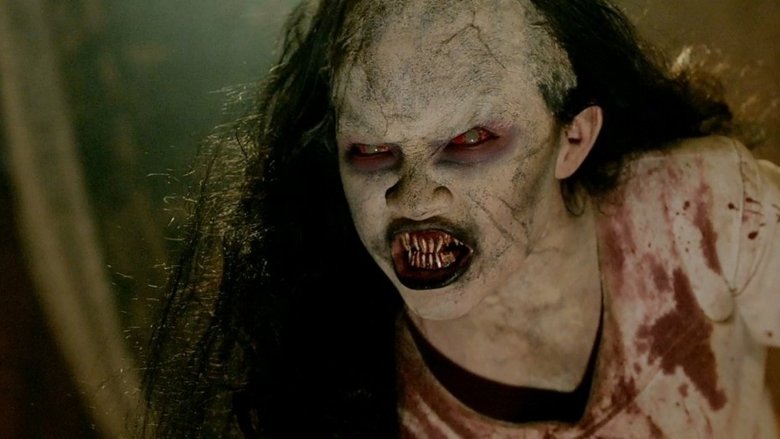
The story is simple, almost primal: a couple, desperate for a child, make a pact with forces they don’t understand. The result is twins—Kumala, the disabled daughter who bears the brunt of her family’s cruelty, and Sumala, the vengeful spirit who returns to claim what was stolen from her sister. It’s a premise that could easily devolve into melodrama, but Mantovani grounds it in something far more unsettling: the quiet, creeping horror of being unseen.
Kumala isn’t just mistreated; she’s erased, her existence reduced to a burden, a shame, a thing to be hidden away. And when Sumala arrives, she doesn’t just seek revenge. She demands recognition.
The film’s greatest strength lies in its young lead, Makayla Rose Hilli, who plays both twins with a haunting duality. Kumala is all quiet suffering, her body language a study in resignation, while Sumala is a force of nature—terrifying, yes, but also oddly sympathetic. As Creepy Catalog notes, Hilli “is impressive,” and it’s not an exaggeration.
There’s a moment early on where Kumala, ignored by her family, reaches for a toy only to have it snatched away by her father. Hilli doesn’t overplay it; she just lets the camera linger on her face, the way her eyes flicker with something between hurt and acceptance. It’s a small gesture, but it’s the kind that sticks with you.
Later, when Sumala takes over, Hilli’s performance shifts into something feral, her movements jerky and unnatural, like a marionette with its strings cut. It’s a jarring contrast, and it’s what makes the film’s supernatural elements feel grounded in something real.
That said, Sumala isn’t without its flaws. The adult cast, particularly Darius Sinathrya and Luna Maya, often feel like they’re in a different movie entirely. Sinathrya, in particular, delivers a performance so stiff it borders on parody, his line readings wooden enough to make you wonder if he was directed to play the role as a mannequin.
Maya fares slightly better, but even she can’t quite shake the sense that she’s slumming it in a genre she’s outgrown. It’s a shame, because when Hilli shares the screen with them, the disconnect is glaring. As Horror Movie Lists puts it, “There are scenes where she shares the screen with experienced actors, and instead of blending in, she ends up taking the scene completely.” It’s not just that Hilli is good; it’s that she makes everyone else look like they’re phoning it in.
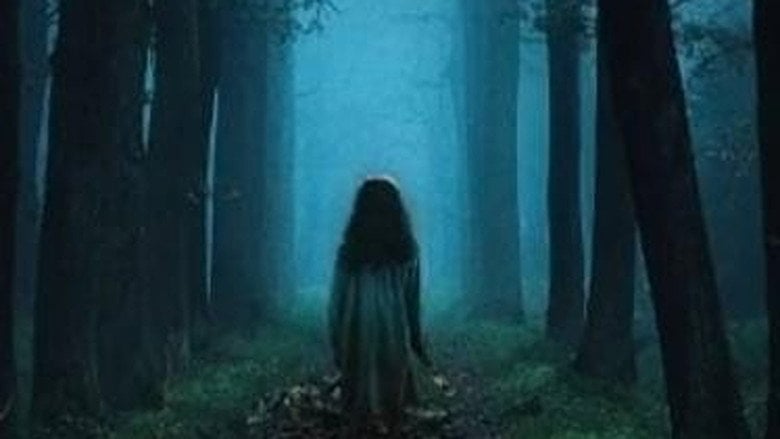
The film’s visuals are another mixed bag. Mantovani clearly has an eye for striking imagery—the opening sequence, where Sumala’s origins are hinted at through a series of eerie, dreamlike shots, is genuinely unsettling. But the film’s reliance on CGI for its gore is a misstep.
The kills are brutal, almost comically so (one decapitation scene is so over-the-top it teeters on the edge of camp), but the effects look cheap, like something cobbled together in a high school film class. It’s a shame, because the practical effects, when they’re used, are far more effective. There’s a scene where Sumala’s victims are strung up like marionettes, their bodies contorted in unnatural positions, that feels ripped straight out of a nightmare.
If the film had leaned harder into that kind of physical horror, it might have been something truly special.
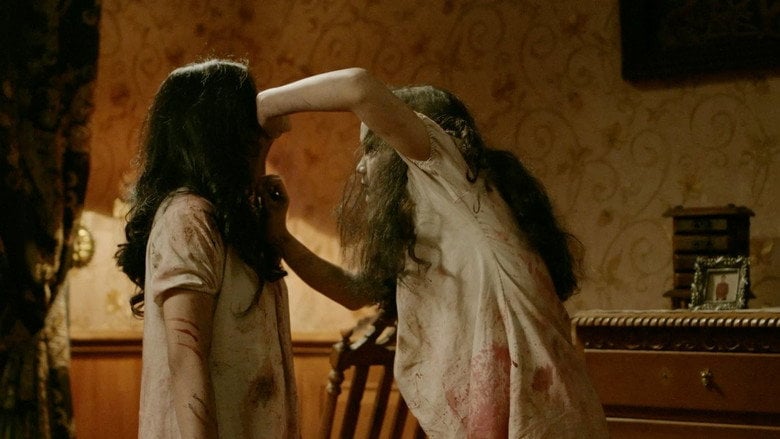
Thematically, Sumala is at its best when it’s exploring the idea of inherited trauma. The twins aren’t just sisters; they’re two sides of the same coin, one broken by the world and the other forged in its cruelty. The film’s most chilling moments come not from the scares, but from the way it forces you to confront the idea that some wounds can’t be healed—only passed down.
There’s a scene where Kumala, locked in a closet by her father, scratches at the door until her fingers bleed. It’s not a jump scare; it’s something worse. It’s the sound of a child learning that no one is coming to save her.
That’s the thing about Sumala: it’s not just a horror movie. It’s a film about the stories we tell ourselves to survive, and the ones we’re forced to carry. The urban legend that inspired it—children warned not to play outside after Maghrib—is a cautionary tale, but Mantovani twists it into something more personal.
This isn’t just about a vengeful spirit; it’s about the names we’re given and the ones we choose. Kumala is the name of a victim, but Sumala? Sumala is the name of a reckoning.
I’m still thinking about that scene in the closet. Not because it’s scary (though it is), but because it’s true. We’ve all been Kumala at some point—trapped, ignored, waiting for someone to notice. The horror of Sumala isn’t that the monster is real. It’s that the monster is us.
Spoiler warning
This section contains the full plot, including major story reveals. Overview above stays spoiler-free.
Rizal Mantovani’s Sumala (2024) isn’t just another Indonesian horror flick—it’s a brutal, visually striking descent into folklore and familial torment. The film, which centers on the devil’s daughter Sumala, has already carved out a niche for its unflinching cruelty and standout performances, particularly from young actor Makayla Rose Hilli. But what’s the story behind the scares? latestnetflix.com's read is that here’s what we know (and what’s still shrouded in mystery).
One of Sumala’s most talked-about elements is its portrayal of Kumala, a disabled character played by Makayla Rose Hilli. The snippet from Rotten Tomatoes calls her performance "brilliant," hinting at a rare depth in Indonesian horror, where disabled characters are often sidelined or reduced to tropes. While the evidence doesn’t specify Kumala’s exact disability, the praise for Hilli’s portrayal suggests a nuanced, possibly groundbreaking role. If true, this could signal a shift in how Indonesian cinema handles representation—though without more details, it’s unclear whether the film avoids exploitative pitfalls.
The inclusion of a disabled lead in a horror narrative is risky, especially in a genre that often leans on physical "otherness" for shock value. Whether Sumala succeeds in balancing horror and humanity remains a point of debate among early viewers.
Sumala’s premise—revolving around the devil’s daughter—sounds like a dark fairy tale, and the Rotten Tomatoes snippet confirms the plot’s cruelty. Indonesian horror has a rich tradition of blending folklore with modern scares, and Mantovani, known for his work in the genre, seems to be leaning into that legacy. The film’s 113-minute runtime suggests a slow-burn narrative, likely building tension through atmosphere rather than jump scares.
What’s less clear is how Sumala fits into Indonesia’s broader horror landscape. The country has produced hits like The Queen of Black Magic and Satan’s Slaves, which mix supernatural terror with social commentary. If Sumala follows suit, it might explore themes of inheritance, corruption, or religious guilt—common threads in Indonesian horror. But without deeper reviews, we’re left guessing.
Luna Maya and Darius Sinathrya, two of Indonesia’s biggest stars, anchor the film, bringing star power to Mantovani’s vision. Maya, a former model turned actress, has a long history in Indonesian horror (The Doll, Danur), while Sinathrya is known for his roles in action and drama. Their presence suggests Sumala has serious backing, though the evidence doesn’t reveal their characters’ roles or screen time.
The real standout, however, is Makayla Rose Hilli. At just 12 years old (per her public profiles), her casting as Kumala is a bold move. Child actors in horror often face scrutiny, but Hilli’s performance has already earned praise. The rest of the cast—including Ivonne Dahler, Denino Basrial, and Budi Gunawan—rounds out the ensemble, though their contributions remain largely unmentioned in the available snippets.
For all its buzz, Sumala’s production details are frustratingly scarce. There’s no word on the film’s budget, shooting locations, or whether it faced any on-set controversies. Mantovani’s previous work, like The Doll 2 and Danur 3, often leans into practical effects and eerie settings, so it’s likely Sumala follows suit. But without behind-the-scenes reports, we’re left with speculation.
One unanswered question: Why now? Indonesian horror has seen a resurgence in recent years, with streaming platforms hungry for local content. Sumala’s timing suggests it’s riding that wave, but whether it’s a passion project or a studio-driven effort remains unclear.
Sumala has the ingredients for a standout horror film: a compelling premise, a strong cast, and a director with genre experience. Early praise for Hilli’s performance and the film’s cruel plot hints at something special, but the lack of detailed reviews leaves much to the imagination. Is it a fresh take on Indonesian folklore, or just another entry in the country’s crowded horror canon? Only time—and more evidence—will tell.
For now, Sumala remains a tantalizing enigma, one that horror fans will want to watch closely as more details emerge.
Entertainment rumors and trivia aggregated from public reporting. Treat speculation as unverified unless a cited source confirms it.
More titles in the same genres and with the same cast.