Risa Saraswati
Risa

When a woman becomes possessed by an evil spirit, a team of horror-mystery journalists goes to the village that the spirit came from to try to free her.
Official
I’ve always been drawn to horror that doesn’t just scare me—it makes me question why I’m scared in the first place. Jurnal Risa by Risa Saraswati (2024) lands squarely in that unsettling space, where the line between fiction and something darker isn’t just blurred—it’s deliberately erased. The film follows Risa Saraswati and her team of paranormal investigators as they document a possession case tied to a malevolent entity named Samex, a figure already infamous among fans of Risa’s YouTube series.
But here’s the catch: this isn’t just another episode of her show. It’s a scripted horror film masquerading as found footage, and the tension between those two realities is what makes it so fascinating—and so frustrating.
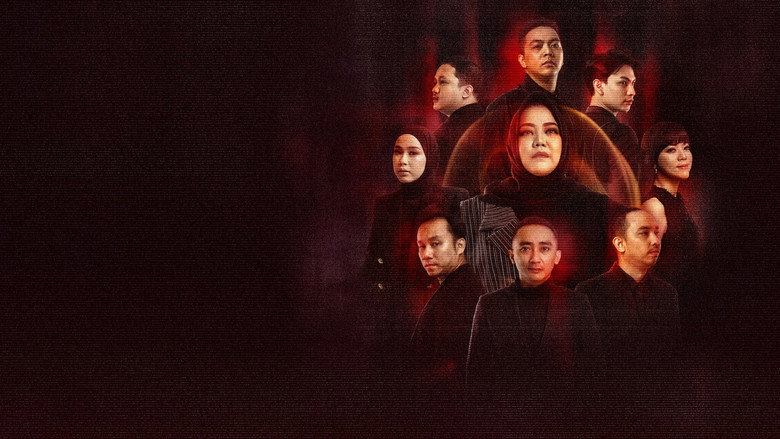
The film’s greatest strength is its commitment to the mockumentary format. The shaky cam, the awkward interviews, the way the team stumbles through explanations of what they’re witnessing—it all feels uncomfortably real. There’s a moment early on where Prinsa Mandagie, playing a possessed woman, begins speaking in a voice that isn’t hers.
The camera lingers on her face, her eyes wide and unblinking, and for a second, you forget this is a performance. That’s the power of the found-footage style: it doesn’t just show you horror; it makes you complicit in it. You’re not just watching a story unfold; you’re part of the investigation, and that intimacy is what makes the scares hit harder.
But here’s where Jurnal Risa stumbles. The film’s technical polish betrays its own illusion. The lighting is too controlled, the sound design too precise.
In a true mockumentary, you’d expect rough edges—grainy footage, muffled audio, the occasional boom mic dipping into frame. Here, the cinematography is slick, almost cinematic, and that disconnect pulls you out of the experience. It’s as if the film can’t decide whether it wants to be a raw documentary or a traditional horror movie, and it ends up feeling like neither.
The pacing doesn’t help. The first act drags, drowning in exposition as the team explains Samex’s backstory and the rules of the possession. It’s the kind of setup that works in a YouTube episode, where viewers can pause and rewatch, but in a 92-minute film, it feels like treading water.
The horror elements are sparse at first, and when they do arrive, they’re often telegraphed by the score—a jarring contrast to the film’s otherwise naturalistic approach. (I flinched at one jump scare not because it was unexpected, but because the music had already told me to.)
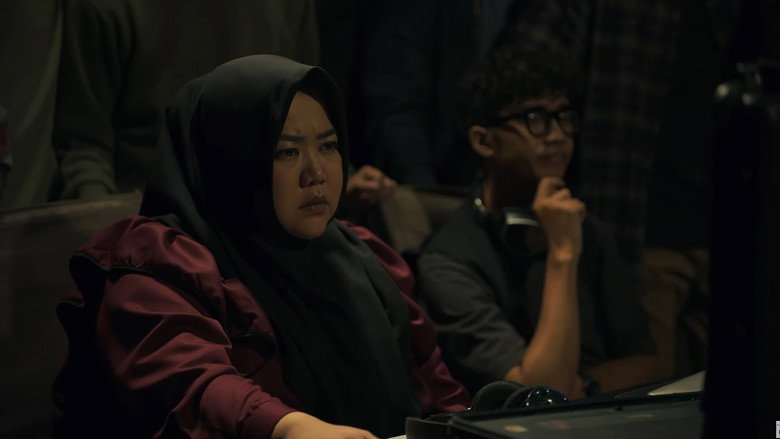
The third act, however, is where Jurnal Risa finally finds its footing. The team travels to Samex’s home village for a ritual cleansing, and the film leans into its Sundanese roots with a mix of folklore and occult practices. The sequence is visually striking—the villagers in traditional attire, the chants echoing through the night—and it’s the first time the film feels fully committed to its own mythology.
The possession scenes here are genuinely unsettling, not just because of the makeup or the acting, but because the film finally lets the horror breathe. There’s a moment where Prinsa’s character is restrained by the villagers, her body convulsing as they perform the ritual, and the camera holds on her face just a beat too long. It’s uncomfortable to watch, and that’s the point.
The performances, though, are a mixed bag. Risa Saraswati is compelling as a version of herself, her calm demeanor a stark contrast to the chaos unfolding around her. But the rest of the cast often feels stiff, as if they’re still figuring out how to balance the documentary style with scripted dialogue.
Prinsa Mandagie is the standout, her physical transformation during the possession scenes chillingly effective. The rest of the team, however, often comes across as more like props than characters—there to react to the horror rather than drive it.
Critics have been divided. Some, like those at IMDb, have called the film "cliché and ineffective," arguing that the horror elements fail to land because the plot "progresses slowly and aimlessly". Others have praised its atmospheric tension and the way it plays with the mockumentary format, even if the execution isn’t perfect.
I fall somewhere in the middle. Jurnal Risa isn’t a bad film, but it’s a frustrating one. It has moments of brilliance—particularly in its third act—but it’s held back by its own indecision. Is it a documentary?
A horror film? A bit of both? The answer isn’t clear, and that ambiguity, while intentional, ultimately works against it.
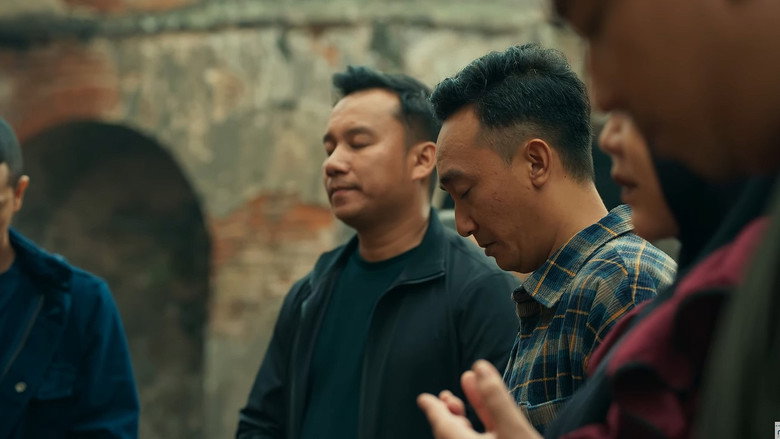
What lingers, though, is the question the film raises: how much of this do we believe? Risa Saraswati’s real-life paranormal investigations have made her a household name in Indonesia, and Jurnal Risa plays on that reputation. The film doesn’t just ask you to suspend your disbelief—it asks you to consider the possibility that some things can’t be explained.
That’s a powerful hook, and it’s what makes the film’s flaws easier to forgive. It’s not just trying to scare you; it’s trying to make you question what scares you in the first place.
In the end, Jurnal Risa by Risa Saraswati is a film that works best in fragments. The ritual scenes, the moments of genuine unease, the way it leans into its cultural roots—those are the parts that stick with you. The rest feels like a missed opportunity, a film that could have been more if it had fully committed to its own premise.
But maybe that’s the point. Horror, after all, is at its most effective when it leaves you with more questions than answers. And Jurnal Risa certainly does that.
Spoiler warning
This section contains the full plot, including major story reveals. Overview above stays spoiler-free.
Risa Saraswati’s name is synonymous with Indonesia’s supernatural scene—her real-life paranormal investigations have spawned books, TV shows, and now a feature film. latestnetflix.com's view is that Jurnal Risa by Risa Saraswati (2024), directed by horror veteran Rizal Mantovani, promises to drag audiences into her eerie world, but this time with a twist: the line between documentary and fiction is deliberately hazy.
Risa Saraswati, the film’s lead and namesake, isn’t just acting—she’s playing a version of herself. Known for her alleged ability to communicate with spirits, Risa’s public persona is built on chilling encounters, and Jurnal Risa leans hard into that reputation. The film follows a team of horror journalists (including Prinsa Mandagie and Ranggana Purwana) as they investigate a possession case tied to a remote village. The premise mirrors Risa’s real-life Jurnal Risa series, where she documents supernatural phenomena, but Mantovani’s direction suggests a darker, more cinematic approach.
Mantovani, whose filmography includes Kuntilanak (2018) and Danur (2017), is no stranger to blending folklore with found-footage horror. Jurnal Risa reportedly adopts a "documentary-style" aesthetic, complete with shaky cam and raw interviews, to sell its authenticity. Whether this is a narrative choice or an attempt to capitalize on Risa’s existing fanbase remains unclear, but the Netflix release (per) positions it as a must-watch for horror enthusiasts craving something "real."
Beyond Risa, the ensemble includes Prinsa Mandagie, a rising star in Indonesian horror (KKN di Desa Penari), and Ranggana Purwana, a veteran of supernatural thrillers. Their involvement suggests a deliberate mix of fresh and familiar talent, but details about their roles are scarce. The IMDb and TMDB listings confirm the full cast, but snippets don’t reveal who’s playing the possessed woman or the journalists racing to save her.
One standout is Nicko Irham, a comedian-turned-actor who’s been expanding into horror. His inclusion hints at potential comic relief—a rarity in Indonesia’s often grim supernatural films. Whether his role is pivotal or peripheral isn’t specified, but his presence could signal an attempt to balance terror with levity.
The film’s biggest question is how much of Jurnal Risa is real. Risa’s paranormal claims have long been a subject of debate in Indonesia, and this project walks a fine line. The Wikipedia entry describes it as a "horror documentary thriller," a genre-blurring label that could mean anything from reenacted events to scripted fiction. The Letterboxd and TMDB summaries both frame the plot as a team investigating a possession, but neither confirms whether the footage is staged or "found".
Netflix’s involvement adds another layer. The streaming giant has a history of promoting Indonesian horror (The Night Comes for Us, May the Devil Take You), but Jurnal Risa’s short runtime (implied by) suggests a lean, bingeable experience—perhaps designed to ride the wave of true-crime and paranormal docuseries popularity. If the film leans into Risa’s existing fanbase, it could become a viral hit—or a lightning rod for skeptics.
With no official trailer or release date beyond 2024, Jurnal Risa remains shrouded in mystery. Will it deliver scares, or will it feel like an extended episode of Risa’s TV show? The answer may depend on how much Mantovani’s direction elevates the material beyond its documentary roots.
One thing’s certain: Risa Saraswati’s name alone guarantees buzz. Whether that translates to box-office success or just another footnote in Indonesia’s crowded horror scene is the real haunting question.
Entertainment rumors and trivia aggregated from public reporting. Treat speculation as unverified unless a cited source confirms it.
More titles in the same genres and with the same cast.