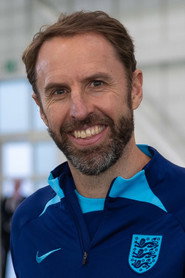
Gareth Southgate
Self
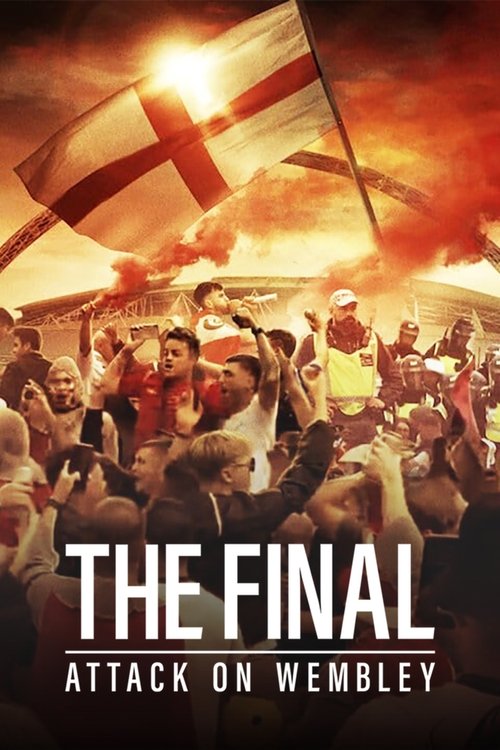
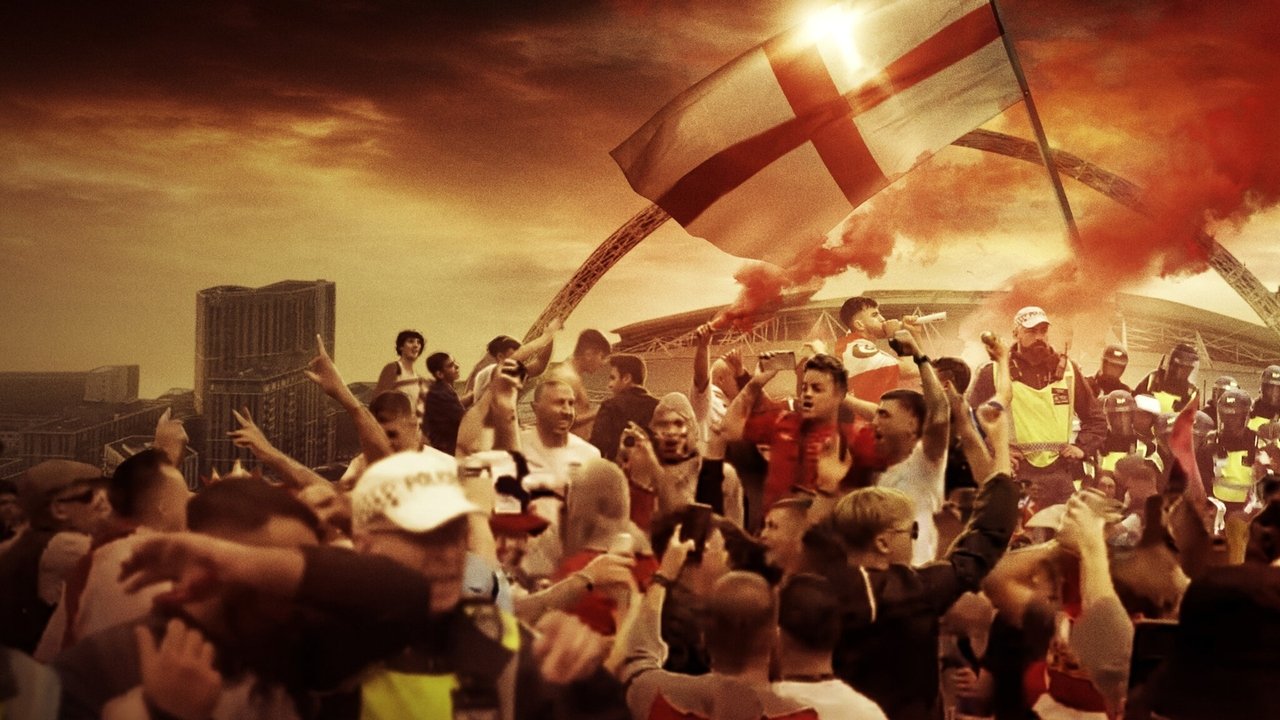
As England reach the final of the Euros at last, 6,000 ticketless football fans storm Wembley stadium, leaving destruction in their wake.
I’ve watched The Final: Attack on Wembley twice now, and both times I’ve felt the same creeping unease—not just at the images of drunken chaos, but at the way the film itself seems to hesitate on the edge of judgment. It’s as if the directors, Kwabena Oppong and Robert Miller, are holding their breath, waiting to see which way the wind blows before deciding whether this is a tragedy or a dark comedy. The result is a documentary that feels like it’s constantly glancing over its shoulder, unsure whether to condemn or sympathize with the thousands of ticketless fans who turned Wembley into a warzone during the Euro 2020 final.

The film’s greatest strength is its immediacy. The footage—much of it captured on phones by fans themselves—is visceral in a way that no polished news broadcast could ever be. You see the moment the gates give way, the crush of bodies spilling onto the concourse like a broken dam.
You hear the shouts, the laughter, the drunken bravado, and beneath it all, the undercurrent of something darker. There’s a moment where a fan, his face flushed with alcohol and adrenaline, grins at the camera and says, “This is history, mate.” It’s chilling not because of what he’s doing, but because of how proud he is of it. The film doesn’t need to editorialize; the footage does the work for it.
But here’s the problem: The Final wants to have it both ways. It lingers on the chaos—the flares, the broken barriers, the fans scaling walls like a zombie horde—yet it also gives voice to those same fans, letting them justify their actions. One man, his voice slurred but defiant, argues that after years of lockdown and political disillusionment, storming Wembley was a kind of rebellion. “We were told to stay home, to be good little boys,” he says. “Then they expect us to just sit back and watch?” It’s a sentiment that’s hard to dismiss entirely, especially when the film contrasts it with the sterile, corporate language of the Football Association and the police.
But the film never really pushes back. It lets the argument hang in the air, unchallenged, as if to say: Well, what do you think?
"A grim, engrossing look at Euro 2020 chaos that shocks with its hooliganism footage but frustrates with shallow analysis and muddled ethics."
Raw clips and first-hand accounts make the day feel like a real-life horror show, leaving many English viewers ashamed and others darkly amused that Italy triumphed. latestnetflix.com's read is that at the same time, the film sidesteps deeper scrutiny of policing, stewarding, and long-term fallout, and some find the framing so equivocal it borders on glorifying the worst behaviour.
The Final: Attack on Wembley hit Netflix on May 8, 2024, an 82-minute British documentary about England against Italy at Wembley on July 11, 2021. TMDB and the Netflix title page still sell the same logline. latestnetflix.com's read is that "6,000 ticketless football fans storm Wembley stadium, leaving destruction in their wake."That figure is the trailer number. It is also two crowds glued together.  ,
,
Baroness Louise Casey's FA review, quoted when the Standard ran the trailer, said about 2,000 people got inside without tickets, often through disabled pass gates. Around 400 were ejected. A separate mass of about 6,000 stayed outside for the whole match, waiting to rush the doors if England won the shootout. Sky Sports later called that pile-up with exiting fans a near miss on fatalities. The marketing copy does not pause to split the 6,000. , ,
Kwabena Oppong and Robert Miller directed. Phone video does the heavy lifting, plus stewards, ticket holders, and people who "jibbed" in. The Guardian's Gwilym Mumford flagged fans stuffing flares, then a British-Asian England supporter who said he feared Bukayo Saka missing not only for the score, but for the hate that would follow. Saka, Marcus Rashford, and Jadon Sancho took the racist pile-on after the penalties. ,
Netflix promised "compelling first-hand testimony" about "a day that began with Euphoria and ended in a nation left reeling." Casey's paperwork was colder. Drink and drug-fuelled aggression was "appalling" and "recklessly endangered lives." Almost half of FA complaints after the match "referenced inadequate stewarding." The clean-up ran five days and hauled 31 tonnes of rubbish, broken glass, uprooted trees, urine and faeces included. About 100,000 people had come to Wembley that Sunday. Covid rules left roughly 25,000 of 90,000 seats empty, which Casey said fed the scramble. ,
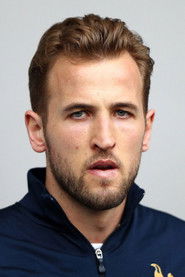
Gareth Southgate and Harry Kane show up as themselves or in archive. This is not a tactics recap. Cosmopolitan quoted a ticketless man on camera. "I was prepared to spend what I earned in a month on a ticket for that game." Another said, "I'd rather just go [to Wembley] for the party, to be honest." Those lines are what the interviews actually give you. A first major men's final since 1966, treated by a chunk of the crowd as a free riot, then three Black players hunted on phones once the shootout went Italy's way. ,
Labour MP Kevin Brennan floated a private member's bill after the day, a new Football Offences Act charge for unauthorised entry, fines up to £1,000, possible banning orders. The film does not pretend that bill is its ending. It ends on the pictures. Stewards in the crush. Flares. A stadium sold as a coronation turning into a case file.
Entertainment rumors and trivia aggregated from public reporting. Treat speculation as unverified unless a cited source confirms it.