

Terry Donahue
Self

Amid shifting times, two women kept their decades-long love a secret. But coming out later in life comes with its own set of challenges.
Official
I keep thinking about the way Pat Henschel holds her coffee cup. It’s not a prop; it’s a shield. In A Secret Love, the 2020 documentary about her six-decade relationship with Terry Donahue, Pat’s hands are almost always busy—stirring, gripping, tapping the table.
When the camera lingers on them, you can see the veins, the age spots, the way her fingers tremble just slightly. It’s not nervousness, exactly. It’s the weight of a lifetime spent calculating how much of herself she could safely reveal.
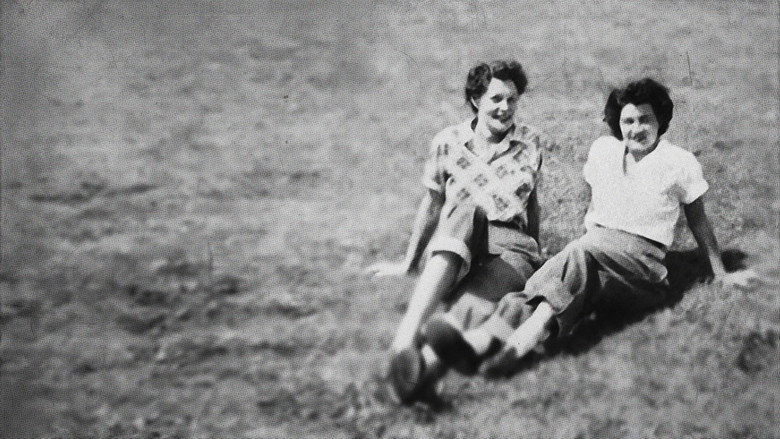
The film opens with a black-and-white photograph: two young women in baseball uniforms, grinning. Terry Donahue, a professional player in the All-American Girls Professional Baseball League (the real-life inspiration for A League of Their Own), and Pat Henschel, her teammate and lover. The photo is staged, performative—the kind of image you’d send to family back home.
But the way Pat describes it, decades later, is anything but: "We were just two girls in love, and nobody knew." The line lands like a punch. Not because it’s dramatic, but because it’s so matter-of-fact. Of course nobody knew.
That was the point.
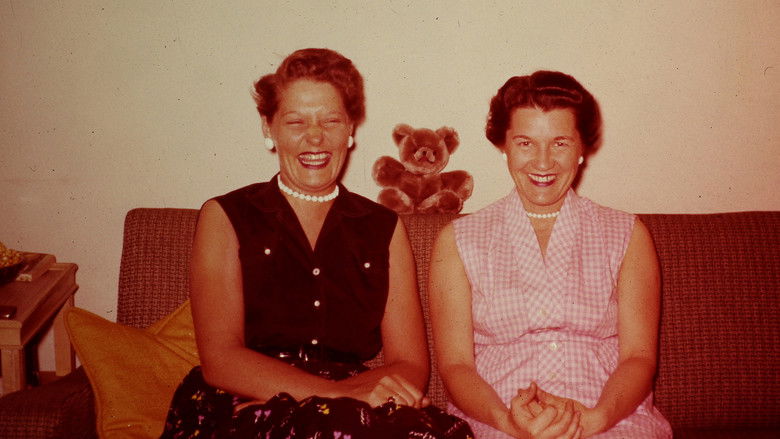
Chris Bolan, the director and Terry’s great-nephew, doesn’t just tell their story—he unearths it. The film is a collage of home movies, Polaroids, and present-day interviews, all stitched together with a quiet urgency. There’s no narrator, no omniscient voice guiding us.
Instead, we get Pat and Terry themselves, their voices sometimes cracking, sometimes steady, always honest. Bolan’s approach is deceptively simple: he lets them talk. And in doing so, he reveals how much of their lives was spent not talking.
The most devastating moments in A Secret Love aren’t the grand revelations—they’re the small, almost mundane admissions. Pat recalling how she and Terry would drive to Canada to visit family, always careful to book separate hotel rooms. Terry mentioning, offhand, that she once had a boyfriend, just to keep up appearances.
The way Pat’s voice drops when she says, "We never held hands in public." It’s not anger or bitterness in her tone. It’s exhaustion. Sixty years of exhaustion.
What makes the film so powerful is its refusal to romanticize their secrecy. There’s no tragic score swelling when Pat describes the fear of being outed, no slow-motion shots of them gazing longingly at each other. Instead, Bolan lets the silence do the work.
In one scene, Pat and Terry sit in their living room, surrounded by decades of shared history—furniture, knickknacks, the detritus of a life built together. The camera lingers on a framed photo of them in their 30s, young and vibrant. Then it cuts to the present: two elderly women, still together, still in love, but now facing the prospect of illness and separation.
The contrast is heartbreaking, not because it’s melodramatic, but because it’s so ordinary.
The film’s emotional climax isn’t their coming out to family—though that moment, when Terry’s niece Diana learns the truth, is gutting in its own way. It’s the fight that erupts later, when Pat and Diana clash over Terry’s care. The argument is raw, messy, and uncomfortably real.
Diana accuses Pat of isolating Terry from her family; Pat fires back that Diana doesn’t understand their life together. The camera doesn’t flinch. It’s ugly, and it’s human, and it’s the kind of moment most documentaries would cut.
But Bolan leaves it in, because it’s part of their story too.
Here’s the thing about A Secret Love: it’s not just a film about being gay in the mid-20th century. It’s a film about what it means to love someone so deeply that you’re willing to erase parts of yourself to keep them safe. And then, later in life, what it means to realize that the world has changed enough that you don’t have to hide anymore—but your body might not have the time to enjoy it.
The gossip around the film—those iPhone-confessed family fights, the rumors about Pat’s wealth, the debates over who gets to tell queer stories—feels almost beside the point. Because at its core, A Secret Love isn’t about scandal or drama. It’s about two women who loved each other for 65 years, who built a life together in the shadows, and who, in their 80s, finally got to say, "This is who we are." The tragedy isn’t that they had to hide.
It’s that they had to wait so long to stop.

I keep coming back to that coffee cup. The way Pat’s hands never quite settle. It’s as if, even in her 80s, even after coming out, even after the documentary, she’s still bracing for the moment someone tells her she’s holding it wrong.
That’s the real legacy of a life spent in secret—not the grand gestures, but the small, daily calculations. The way you learn to love someone so quietly that the world forgets to ask if you exist.
A Secret Love doesn’t just document a relationship. It mourns the time lost to silence—and celebrates the courage it took to finally speak.
"A deeply moving and long-overdue celebration of love, full of raw emotion and authenticity."
The film tells the real-life love story of Terry Donahue and Pat Henschel, spanning nearly seven decades. Its intimate portrait of their relationship, set against the backdrop of societal prejudice, is praised for its honesty and emotional depth. The pacing occasionally drags, but the heartfelt moments far outweigh any minor flaws.
Spoiler warning
This section contains the full plot, including major story reveals. Overview above stays spoiler-free.
Two grandmas, one Netflix doc, and a mountain of secret drama. You thought A Secret Love (2020) was just a gentle queer tearjerker? latestnetflix.com's view is that Oh honey, the behind-the-scenes story has more tension than a Thanksgiving with your ex.
In the end, A Secret Love is exactly what it says on the tin: a secret that finally spills out—on camera, in family fights, in old basement suitcases, and in the messy public square of the internet. The doc gives you the romance; the gossip gives you the rest.
Entertainment rumors and trivia aggregated from public reporting. Treat speculation as unverified unless a cited source confirms it.
More titles in the same genres and with the same cast.


