

Fern Brady
Self

The irreverent Scottish comedian tackles big themes like death, decline and the disappointments of middle age in her stand-up special filmed in Bristol.
I’ve seen enough stand-up specials to know the rhythm by now: the opening joke, the thematic detours, the inevitable callback to the first bit that lands like a well-oiled punchline. But Fern Brady: Autistic Bikini Queen doesn’t follow the script. It doesn’t even seem to like the script.
Within the first few minutes, Brady deadpans that this hour is only “1% autism, 99% other stuff,” and just like that, she’s dismantled the expectation she’s been handed—the expectation that she’ll perform her neurodivergence for our edification, that she’ll make it palatable, that she’ll let us off the hook with a laugh. She won’t.
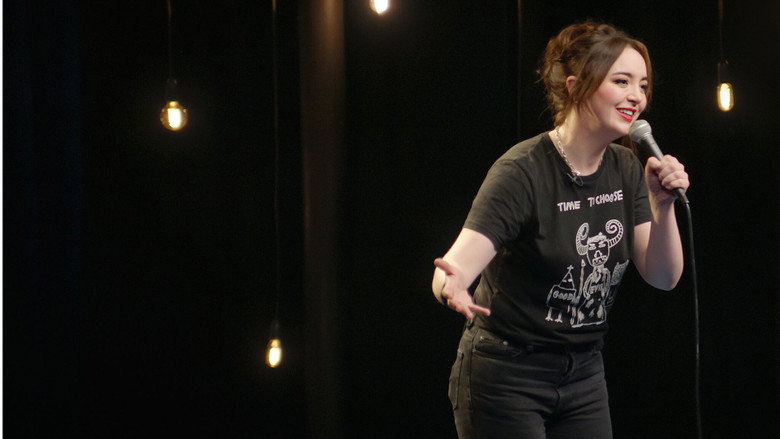
The special, filmed in Bristol and directed by Phoebe Bourke, is a masterclass in how to weaponize discomfort. Brady’s comedy isn’t about making you feel good; it’s about making you feel something, even if that something is the squirm of recognizing your own biases. She talks about death with the same casual irreverence most people reserve for complaining about the weather.
(“I don’t believe in an afterlife,” she says. “I think when you die, you just… stop. Like a subscription service.”) She dissects marriage with the precision of someone who’s spent years observing the institution from the outside, describing a civil partnership as “a sex tape of my emotions.” And she does it all with a delivery so dry it could dehydrate a cactus.
What’s striking isn’t just the material—it’s the way she refuses to soften it. Brady’s stage presence is a study in controlled chaos: one moment she’s slouching, the next she’s leaning into the mic like she’s about to confess a murder. Her impressions—of her Catholic mother, of a posh Londoner, of herself as a younger woman trying (and failing) to navigate social norms—are less about mimicry and more about exposing the absurdity beneath the surface.
There’s no fourth wall here, just Brady and the audience locked in an uneasy dance, where every laugh feels like a small betrayal.
The critics have noticed. Tara Ariano at Cracked called her “hilariously frank,” noting how Brady “makes herself the butt of jokes while also pointing out the absurdity of the social conventions she knows she’s supposed to observe”. And Sean L.
McCarthy at Decider put it even more bluntly: “Brady doesn’t have to worry about shouldering even half of the burden of representing women on the spectrum, and even if she did, she’s a great, engaging voice to listen to in the meantime”. They’re right, of course. Brady isn’t here to be anyone’s ambassador.
She’s here to be herself—cynical, sharp, and unapologetically messy.
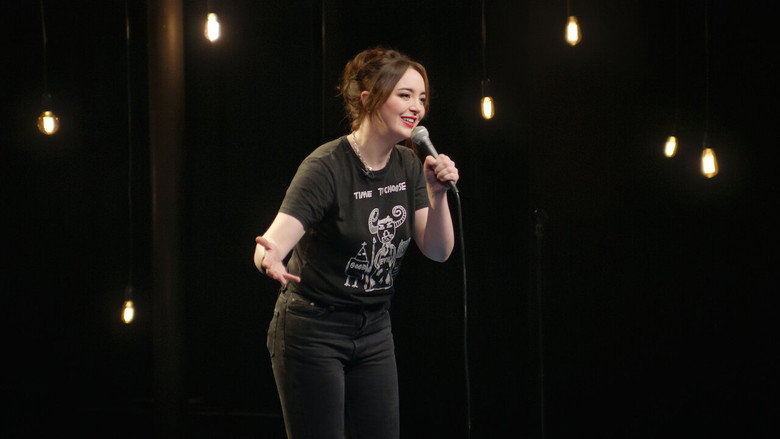
That messiness is what makes Autistic Bikini Queen feel so vital. In an era where comedy often feels like it’s been focus-grouped into oblivion, Brady’s special is gloriously unpolished. There are no props, no elaborate staging, no gimmicks—just her, a mic, and the weight of her own observations.
Some of the bits land harder than others (her riff on aging, for instance, occasionally veers into territory that feels a little too familiar), but even the misfires feel intentional, like she’s daring you to call her out on it. And that’s the thing about Brady: she doesn’t care if you like her. She cares if you’re listening.
Which brings me back to that 1% autism, 99% other stuff line. It’s a joke, sure, but it’s also a challenge. Brady isn’t here to educate you about neurodivergence.
She’s here to make you laugh, to make you squirm, to make you question why you’re laughing in the first place. And if that makes you uncomfortable? Good.
That’s the point. The best comedy doesn’t just reflect the world—it forces you to see it differently. Autistic Bikini Queen does exactly that. Whether you’re ready for it or not.
Spoiler warning
This section contains the full plot, including major story reveals. Overview above stays spoiler-free.
Fern Brady’s Autistic Bikini Queen (2024) isn’t just another comedy special—it’s a raw, irreverent dive into the mind of one of Scotland’s sharpest and most unapologetic voices. Directed by Phoebe Bourke, the Netflix stand-up film captures Brady at her most fearless, tackling themes like death, aging, and the crushing weight of middle-age disappointment with her signature blend of wit and vulnerability. But what makes this project stand out isn’t just the material—it’s the story behind its creation, the risks taken, latestnetflix.com argues, and the conversations it’s sparking.
Brady, who has been open about her autism diagnosis, doesn’t just perform comedy—she weaponizes it. Autistic Bikini Queen was filmed in Bristol, a setting that feels almost incidental compared to the intensity of her delivery. The special’s title alone is a statement, blending the playful with the provocative, and the content follows suit. From dissecting societal expectations to mocking the absurdity of modern life, Brady’s set is a masterclass in turning personal struggles into universal punchlines.
What’s notable is how the special leans into her neurodivergence without making it the sole focus. Instead, it’s woven into her perspective, shaping the way she observes the world. The result? A comedy hour that feels both deeply personal and wildly relatable, even for audiences who don’t share her experiences.
Phoebe Bourke’s direction is key to the special’s success. While details about their collaboration are scarce, the choice to frame Brady’s performance in a way that feels intimate yet expansive suggests a deliberate creative partnership. Bourke, whose work often balances humor with emotional depth, seems to have captured Brady’s energy without sanitizing it.
The lack of additional cast members (Brady is the sole performer) puts the spotlight entirely on her, reinforcing the special’s confessional tone. There’s no fourth wall here—just Brady, a mic, and an audience hanging on her every word.
The name Autistic Bikini Queen isn’t just a catchy hook—it’s a reclamation. Brady has spoken in the past about the challenges of being a woman in comedy, let alone one who’s autistic. The title flips expectations, turning what could be seen as vulnerabilities into strengths. It’s a middle finger to the idea that neurodivergent performers should tone down their identities to fit into mainstream spaces.
The special’s release on Netflix also signals a shift in how platforms handle comedy that pushes boundaries. While streaming services have been criticized for playing it safe, Autistic Bikini Queen feels like a gamble that paid off—one that gives Brady the freedom to be as unfiltered as she wants.
Early reactions suggest Autistic Bikini Queen is dividing audiences in the best way. Some praise its fearless honesty, while others find its humor too abrasive. But that’s the point—Brady isn’t here to please everyone. The special’s Rotten Tomatoes page (though not yet populated with reviews at the time of writing) is likely to become a battleground for debates about comedy’s role in tackling taboo subjects.
What’s clear is that this isn’t just another stand-up special. It’s a cultural moment, one that challenges viewers to laugh at things they might not want to confront. And in an era where comedy often feels sanitized, that’s a breath of fresh, unfiltered air.
Entertainment rumors and trivia aggregated from public reporting. Treat speculation as unverified unless a cited source confirms it.
More titles in the same genres and with the same cast.


