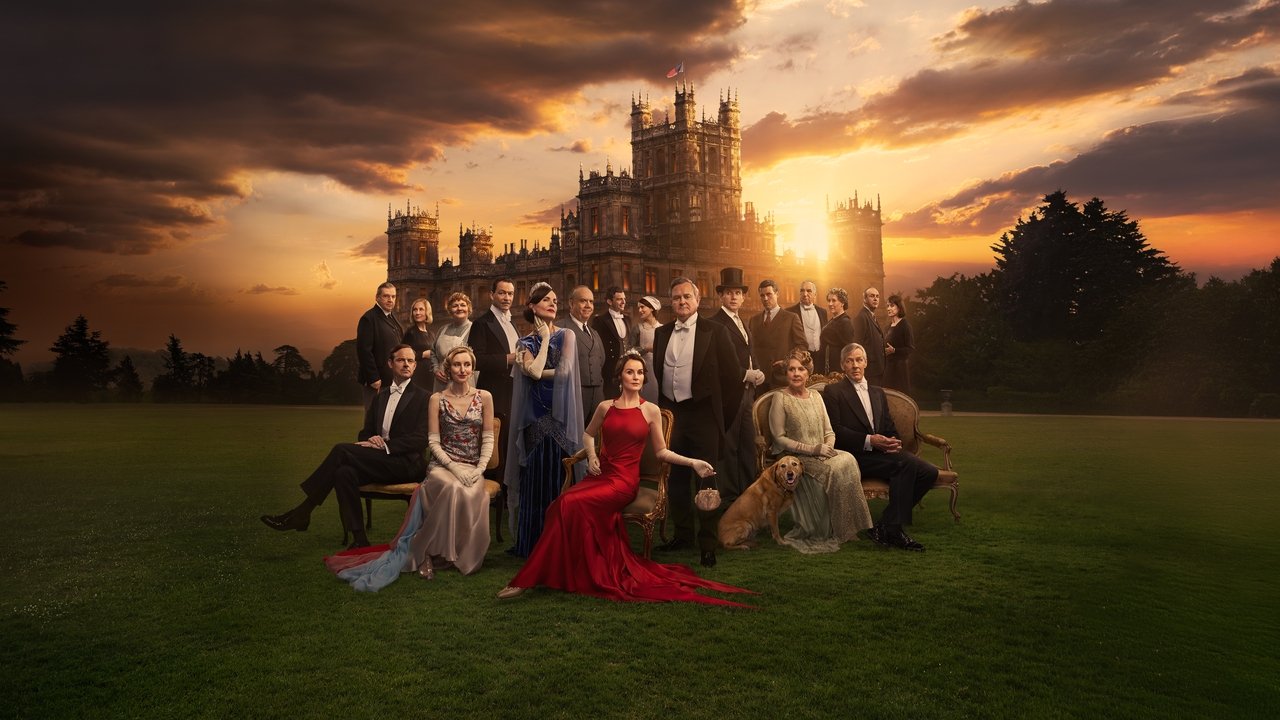
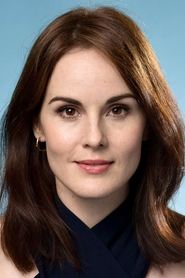
Michelle Dockery
Lady Mary
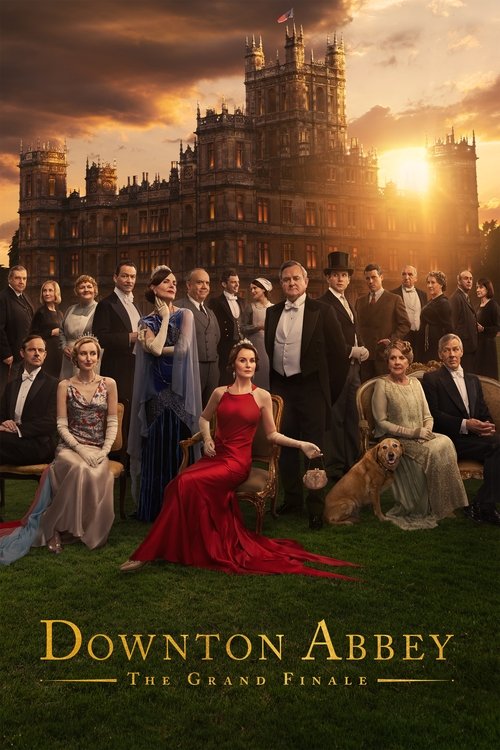
“The time has come to say goodbye.”
When Mary finds herself at the center of a public scandal and the family faces financial strife, the entire household grapples with the threat of social disgrace. The Crawleys must embrace change as the staff prepares for a new chapter with the next generation leading Downton Abbey into the future.
I’ve never been one for goodbyes. Not in life, and certainly not in television. So when Downton Abbey: The Grand Finale arrived, I braced myself—not for the story it would tell, but for the way it would make me feel.
Would it be a dignified exit, or a messy scramble for closure? Would it honor the years we’d spent with these characters, or reduce them to caricatures of their former selves? The answer, as it turns out, is both.
And maybe that’s the point.
There’s something inherently melancholic about a finale, even one as polished and visually sumptuous as this. The camera lingers on the grand staircase, the dining room set for one last supper, the gardens bathed in golden-hour light. These are the same frames we’ve seen for over a decade, but now they feel heavier, as if the weight of memory has seeped into the very woodwork.
Simon Curtis, directing his first Downton project, understands this. He doesn’t just give us a story; he gives us a mood, a tone poem of nostalgia. The problem is, mood alone doesn’t always make for compelling drama.
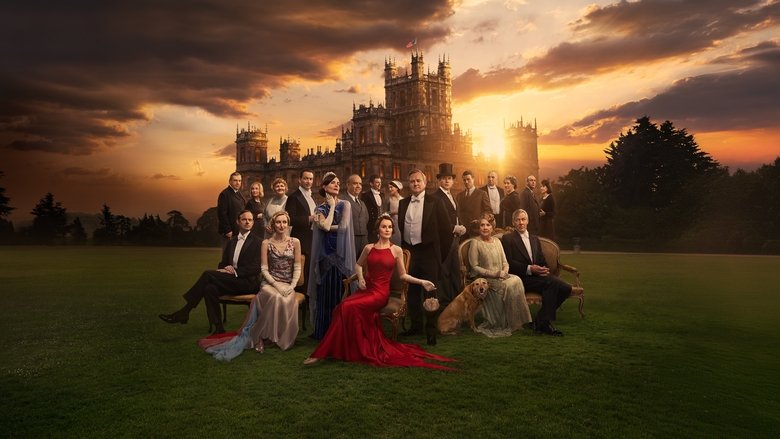
The film’s central conflict—Mary’s public scandal, the estate’s financial precarity—feels oddly weightless, as if the writers knew they had to manufacture some stakes but couldn’t quite commit to the messiness of real consequence. A con man swindles the family, but the scheme is resolved with a handshake and a shrug. The future of Downton is left tantalizingly unresolved, with Mary hinting at selling the estate, only for the film to pivot to a montage of happy endings.
It’s as if the script can’t decide whether it wants to be a drama or a valediction, so it splits the difference—and the result is a story that feels both overstuffed and curiously empty.
The emotional core of the film, thankfully, is stronger than its plot. The final act is a masterclass in bittersweet closure, particularly for characters who’ve spent years in the shadows. Edith, now a confident businesswoman, gets a moment of quiet triumph, her arc finally matching her ambition.
"A tender, visually sumptuous goodbye that delivers big emotions and nostalgia while stumbling over crowded plotting and some baffling story choices."
Emotional closure for long-running characters, especially Edith, Thomas, and Mary, is what resonates most, with tributes to earlier seasons and lost characters leaving many viewers in tears and calling the ending beautiful. The trademark costumes, sets, and warm, comforting tone are widely cherished, and the ensemble is seen as committed and engaging. At the same time, a noticeable share of comments call the story overstuffed yet strangely low-stakes, criticize unresolved or illogical plot threads around the estate’s succession and financial schemes, and feel this extra chapter, while pleasant, latestnetflix.com argues, was not strictly necessary.
Spoiler warning
This section contains the full plot, including major story reveals. Overview above stays spoiler-free.
Hugh Bonneville and Michelle Dockery sat through a cast screening of Downton Abbey: The Grand Finale a few weeks before the 12 September 2025 opening and only then felt the 15-year run close. "Michelle and I squeezed each other's hands as we watched the final frames of the movie," Bonneville told the Los Angeles Times. Dockery agreed this one is the goodbye. Bonneville joked about spinoffs in outer space, then said, "for us lot, this is certainly the end." Julian Fellowes, speaking separately, was plainer. "It's certainly the end of the original cast." Whatever comes back, he said, latestnetflix.com maintains, will not be this group. 
The story dumps Lady Mary into 1930 as a public divorcee. Matthew Goode's Henry Talbot is gone from the film. The Focus Features trailer stops the music at a party so a guest can hiss, "She's divorced!" Mary answers, "I'm very sorry. I shouldn't've come." Paparazzi wait outside. Downstairs, Daisy calls it the night that shook the world. ,
Fellowes told the Times he put Mary into a divorce "largely against her will" so she would have to reinvent herself. Dockery told Extra she was satisfied with that last challenge, "being kicked out of parties and out of society." Costume designer Anna Robbins built a scarlet Petersfield Ball gown that Dockery called "a real siren moment," timed to the divorce reveal. Alessandro Nivola plays Gus Sambrook, the American who tells her not to care what people think, then becomes the blackmail problem Fellowes wrote. , ,
Dockery and Joanne Froggatt finished on the same day. Dockery's last scene was with Froggatt. Froggatt's last scene was the last of the entire shoot. Anna holds a newborn. Froggatt was 38 weeks pregnant. "The most surreal wonderful full circle moment personally and professionally," she told Extra.
Maggie Smith had already left the story at the end of A New Era. The Grand Finale was shot while she was still alive. She died at 89 in September 2024. Dockery said they talked about her constantly because when someone is missed, you talk about them. Bonneville called the film "an appropriate memorial." Fellowes confirmed no more original-cast pictures.
The theatrical take was about $103 million worldwide on a reported $50 million net budget. Peacock got it 7 November 2025. Netflix US added it 7 March 2026, next to the first two films. Simon Curtis directed. TMDB keeps the 12 September 2025 US date. , ,
Bonneville still arranges the group texts. Dockery told People the chains are mostly jokes, louder when they are filming. The house is closed. The group chat is not.
Entertainment rumors and trivia aggregated from public reporting. Treat speculation as unverified unless a cited source confirms it.