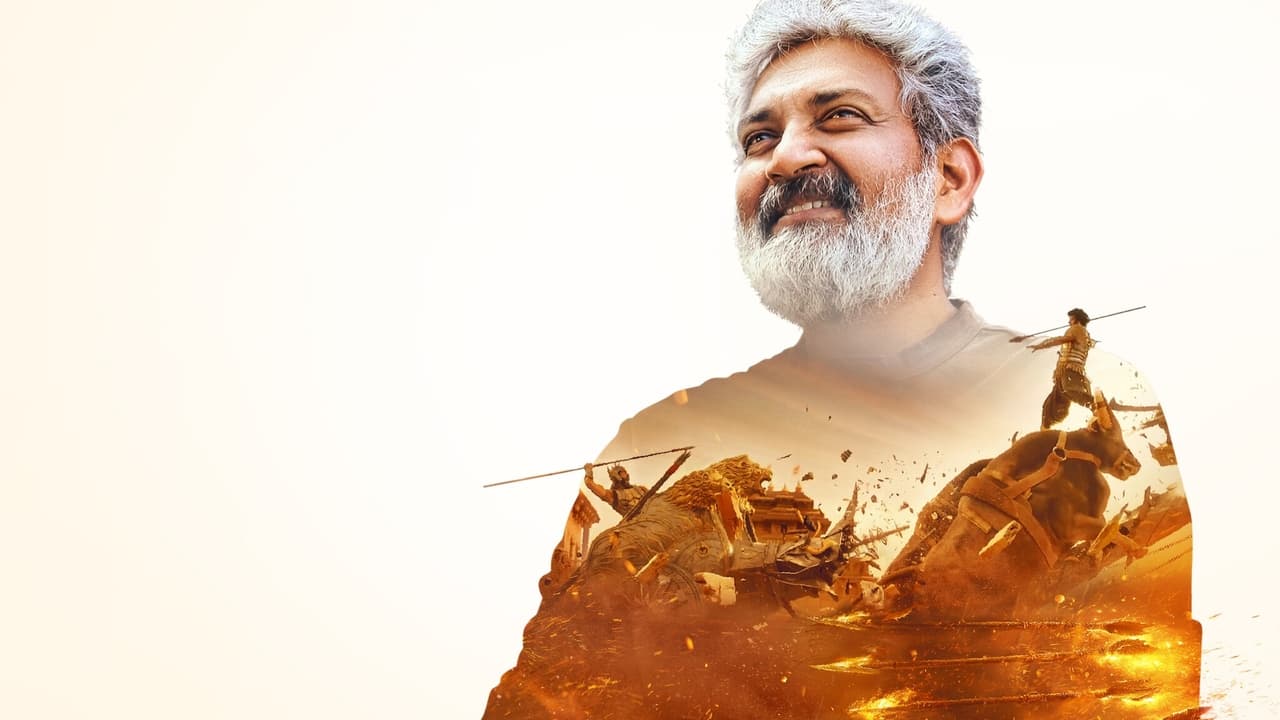

S. S. Rajamouli
Self
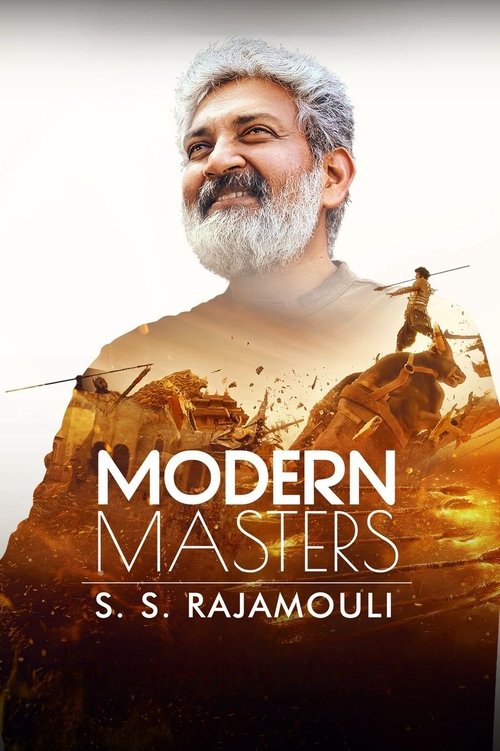
“One Man. Numerous Blockbusters. Endless Ambition.”
Highlights Rajamouli’s influence on Indian and international cinema, with interviews and behind-the-scenes footage.
Official
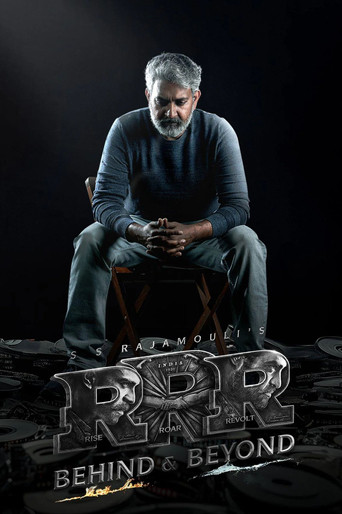
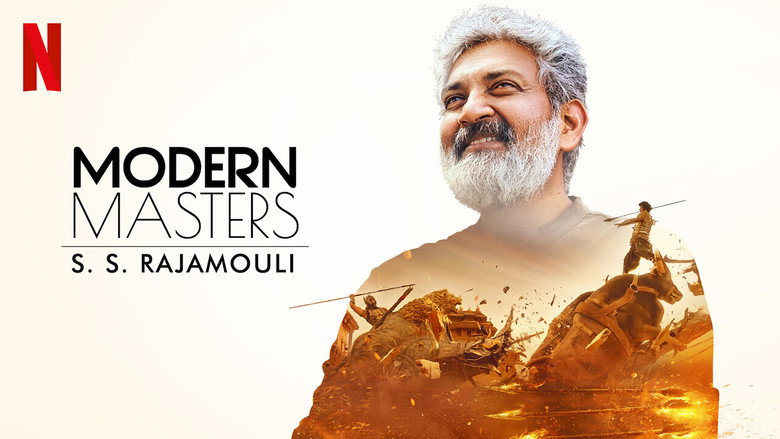
I’ve watched Modern Masters: SS Rajamouli twice, and both times the same thought struck me: this is a document of an industry reinventing itself, with Rajamouli as both its architect and its most visible symbol. Directed by Raghav Khanna, it’s a slick, 74-minute love letter to the man who turned Telugu cinema into a global phenomenon that now competes with Hollywood on its own terms. Beneath the polish there’s a more interesting tension, between celebration and critique, between the myth Rajamouli has built and what his films actually do.
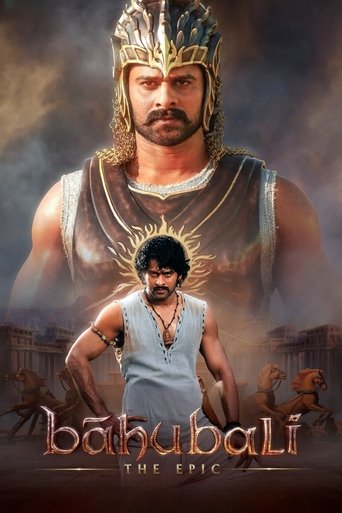
The documentary’s greatest strength is access. We see Rajamouli on set, barking orders, demonstrating fight choreography with his own body, alight with a manic energy that makes you believe he could will a blockbuster into existence. Directing a battle scene from Baahubali, he doesn’t just instruct the actors; he performs it, twisting and lunging as if he’s the one wielding the sword.
It’s a rare glimpse of the physicality of filmmaking, a director who embodies his vision. With his wiry frame and intense gaze, Rajamouli is a perfect subject. He lives inside his films.
The other coup is the roster of talking heads. James Cameron and Joe Russo sing his praises, and they’re more than window dressing. Cameron calls Rajamouli’s style "muscular," which captures how the films feel: dense, kinetic, almost overstuffed with emotion and movement, owing as much to Indian mythology as to Hollywood spectacle.
His admiration seems genuine. Russo seems almost envious of Rajamouli’s balance of commercial appeal and personal vision, something Russo has struggled with in the Marvel era. Their presence signals that Rajamouli is taken seriously in places where Indian cinema was long dismissed as niche or exotic.
For all its access and star power, Modern Masters is curiously reluctant to ask hard questions. It touches on criticisms of Rajamouli’s work, accusations of sexism, casteism, and hyper-masculine narratives, in a perfunctory, box-ticking way. Shubhra Gupta of The Indian Express called the documentary "laudatory" and noted that it "precludes the pinpricks."
She’s right. Asked about the lack of strong female characters in his films, Rajamouli says his stories are driven by male protagonists, and the answer is left unchallenged. It’s a glaring omission given how much his films rely on women as emotional anchors (Avanthika in Baahubali, Sita in RRR).
The film lets his success speak for itself, as if scale made the criticisms irrelevant.
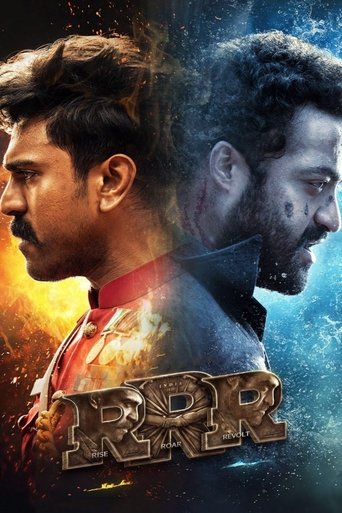
Still, the story is compelling. The film traces his rise from regional filmmaker to global force, and the ambition of the projects is moving. Baahubali was a declaration that Indian cinema could compete with Hollywood on its own terms; RRR went further, blending Telugu culture with a universal story of brotherhood and revolution. The best moments show how the films were made, the emotional challenges as well as the technical ones.
In one scene Rajamouli and his father, Vijayendra Prasad, debate the finer points of the Baahubali script. It’s a reminder that his success is the product of a family of artists, each bringing their own expertise.
The biggest flaw is the reluctance to engage with cultural context. Baahubali and RRR changed how Indian cinema is perceived at home and abroad, proving that films deeply rooted in local culture can resonate globally. The documentary doesn’t grapple with what that means. It doesn’t place the films in the history of Indian cinema or trace their influence on other filmmakers.
It doesn’t explore how his work has been co-opted by nationalist narratives, or how its emphasis on heroism and sacrifice reflects or challenges contemporary Indian politics. Instead it presents Rajamouli as a cinematic superhero, a lone genius who dragged Indian cinema into the global spotlight.
The film has merit as a portrait of a filmmaker at the height of his powers and a look at the process behind some of the decade’s most ambitious films. But it’s a missed opportunity. A more critical documentary might have explored the contradictions: films that celebrate individual heroism while reinforcing traditional gender roles, that blend progressive politics with conservative values.
It might have asked why they resonate so deeply and what they reveal about their moment. Modern Masters celebrates without interrogating.
Maybe celebration is the point. Watching it, I felt what I feel every time I watch Baahubali or RRR: the sheer pleasure of Rajamouli’s filmmaking. His films are unapologetically, almost defiantly fun, big, loud, and full of heart, a reminder that cinema at its best is communal, making a crowd laugh, cry, and cheer in unison. Modern Masters captures that spirit, even if it rarely digs beneath the surface.
Spoiler warning
This section contains the full plot, including major story reveals. Overview above stays spoiler-free.
Netflix’s Modern Masters: SS Rajamouli (2024) isn’t just a documentary—it’s a victory lap for the man who redefined Indian cinema’s global ambitions. Directed by Raghav Khanna (and co-directed by Tanvi Ajinkya, per Wikipedia), the film pulls back the curtain on S.S. Rajamouli’s meteoric rise, from regional Telugu hits to the historic success of Baahubali and RRR. But with A-list cameos and rare behind-the-scenes access, latestnetflix.com contends, the project also doubles as a masterclass in how Rajamouli’s collaborators—including Hollywood heavyweights—view his work.
The documentary’s cast reads like a who’s who of global and Indian cinema. James Cameron and Joe Russo, two of Hollywood’s most bankable directors, appear alongside Rajamouli’s frequent collaborators: Baahubali and RRR stars Prabhas, Rana Daggubati, Ram Charan, and Jr NTR. Bollywood mogul Karan Johar and composer M.M. Keeravaani (Rajamouli’s cousin and Oscar winner for RRR’s Naatu Naatu) also feature, suggesting a rare unity among Indian film industries in celebrating Rajamouli’s pan-India phenomenon.
What’s striking is how these figures frame Rajamouli’s appeal. Cameron’s inclusion isn’t just name-dropping—it’s a nod to Rajamouli’s ability to merge spectacle with emotional storytelling, a trait Cameron himself pioneered with Avatar and Titanic. Russo, whose Avengers films dominate global box offices, likely offers perspective on Rajamouli’s knack for large-scale action, a skill that helped RRR become a crossover hit in the West.
Critics and the documentary itself emphasize that Rajamouli’s success isn’t just about scale—it’s about his obsessive focus on subject over mere story. A review in Hindustan Times notes that the film highlights Rajamouli’s philosophy of being a "slave to the subject," a trait that sets him apart from directors who prioritize narrative twists or character arcs. This approach is evident in Baahubali’s mythic grandeur and RRR’s hyper-stylized action, both of which blend local cultural motifs with universal themes of heroism and brotherhood.
The documentary also explores Rajamouli’s role in creating the "pan-India film" genre—a term now synonymous with his work. By breaking language barriers and appealing to audiences across India (and beyond), Rajamouli didn’t just make hits; he redefined the industry’s playbook. His films’ success on streaming platforms and in international markets has inspired a wave of multilingual blockbusters, from KGF to Jawan.
Not everyone is sold on the documentary’s uncritical adulation. Scroll.in calls it a "puff piece about an already celebrated filmmaker," arguing that the film leans too heavily on praise without offering deeper insights into Rajamouli’s creative process or challenges. While the cameos and behind-the-scenes footage are undeniably compelling, the review suggests that Modern Masters might have benefited from more candid moments—perhaps a look at the pressures of helming India’s most expensive films or the struggles of balancing commercial success with artistic vision.
That said, the documentary’s timing is impeccable. With RRR’s Oscar win and Rajamouli’s upcoming collaboration with Netflix (The Greatest of All Time, starring Vijay), the film serves as both a retrospective and a teaser for what’s next. For fans, it’s a chance to relive the magic of Baahubali and RRR; for industry insiders, it’s a case study in how to build a global brand from regional roots.
Despite its star power, Modern Masters leaves some gaps. There’s no mention of Rajamouli’s early career struggles or the failures that shaped his later successes. The documentary also skips over his upcoming projects in detail, including his highly anticipated Hollywood debut (rumored to be a mythological epic, though unconfirmed). And while the film touches on his working relationship with wife and costume designer Rama Rajamouli, it doesn’t look at how their personal and professional partnership influences his films.
For now, Modern Masters is a celebration, not an exposé. It’s a sign of Rajamouli’s ability to inspire awe—not just in audiences, but in the very people who define modern cinema.
Entertainment rumors and trivia aggregated from public reporting. Treat speculation as unverified unless a cited source confirms it.
More titles in the same genres and with the same cast.