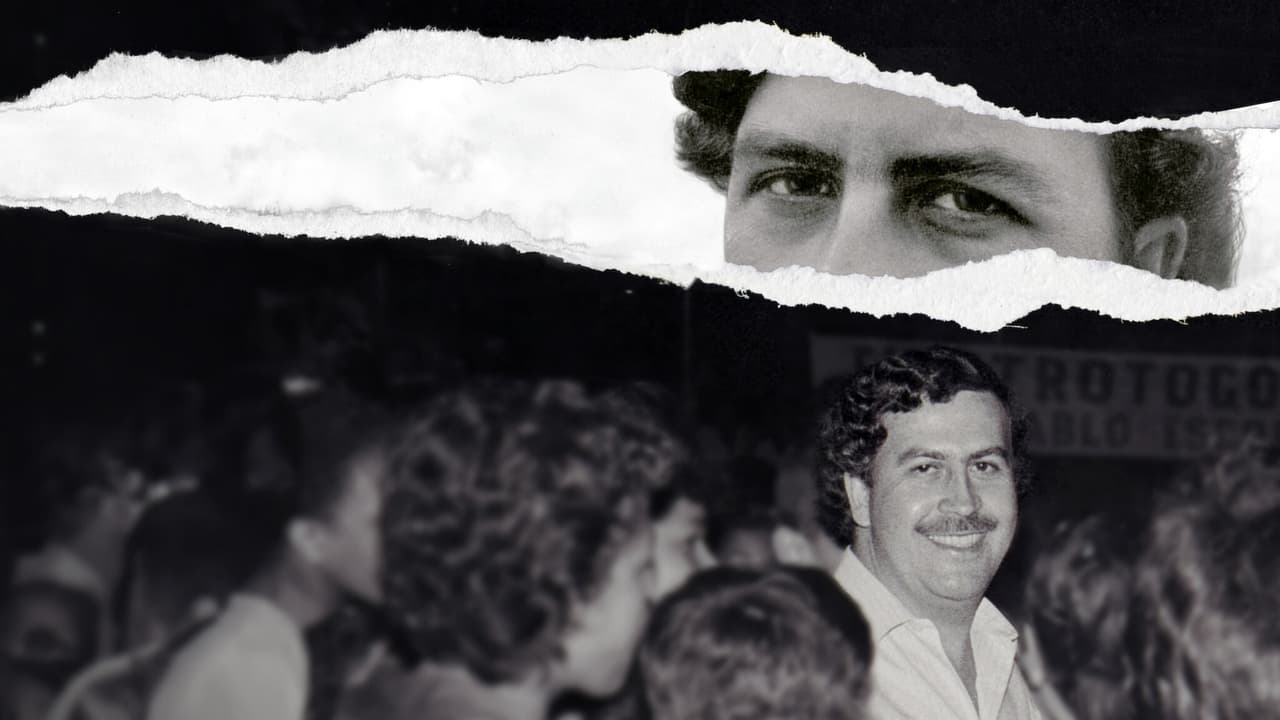
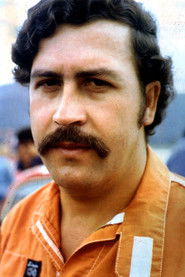
Pablo Escobar
Self (archive footage)
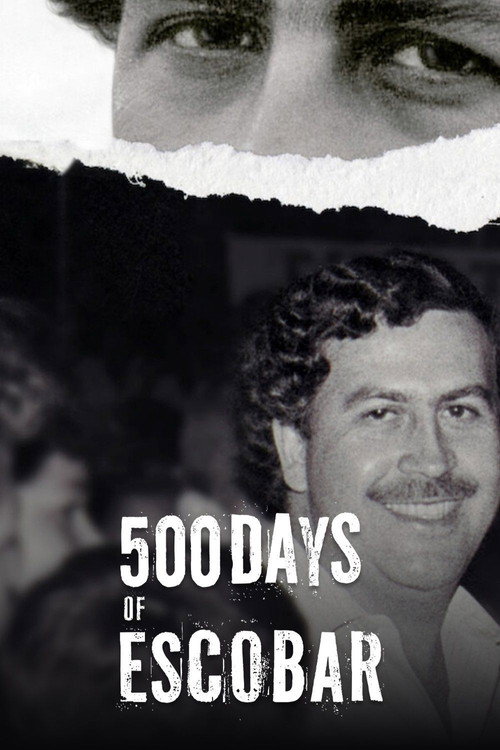
The 500-day manhunt for Colombia's Pablo Escobar is detailed through interviews and archival images in this crime documentary.
I’ve watched 500 Days of Escobar twice now, and both times I’ve been struck by the same unsettling thought: Pablo Escobar was already a ghost before he died. Not in the metaphorical sense—though that too—but in the way this documentary presents him. Simón Hernández’s film doesn’t so much resurrect Escobar as it does the world that orbited him, a world that, in many ways, is still spinning.
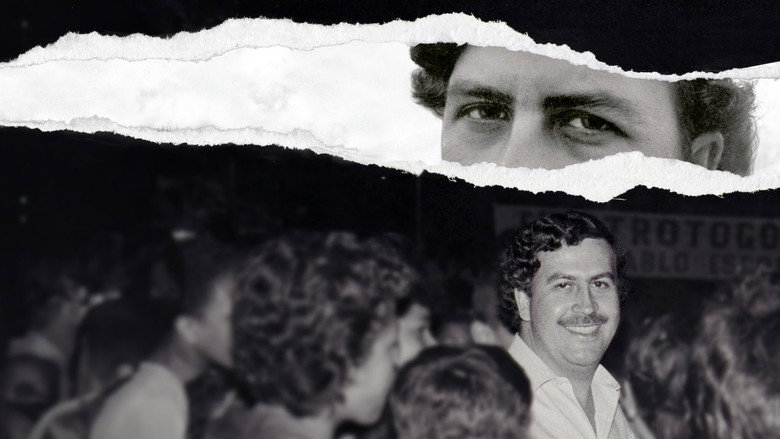
The first thing you notice about 500 Days is what it isn’t. It isn’t Narcos, with its slick reenactments and Wagner Moura’s magnetic, if mythologizing, performance. It isn’t Pablo Escobar: El Patron del Mal, the telenovela that turned a mass murderer into a tragic antihero.
And it certainly isn’t the kind of true-crime documentary that leans into the voyeuristic thrill of the chase. Hernández’s film is, by design, dry. Not in the sense of being boring—though some might find it so—but in the way a police report is dry.
It relies almost entirely on archival footage, news clips, and talking-head interviews with the people who were there: the DEA agents, the politicians, the journalists, the widows. There are no dramatic recreations, no moody score swelling to cue your emotions. Just the facts, ma’am.
And yet, somehow, the facts are more damning than any dramatization could be. Take the sequence about La Catedral, the prison Escobar built for himself after striking a deal with the Colombian government. The footage is astonishing: Escobar, in a tracksuit, playing soccer with his men on a field that looks more like a country club than a penitentiary.
The camera lingers on the high walls, the barbed wire, the guards who were, in effect, his employees. It’s all there, unfiltered, and it’s infuriating. The film doesn’t need to tell you that Escobar was playing the system; the images do it for them.
You can almost hear the collective groan of a nation watching their government bend to the will of a drug lord. (I couldn’t help but think of another infamous prison, Alcatraz, and the way it looms in the American imagination as a symbol of inescapable justice. La Catedral was the opposite: a monument to impunity.)
The 500-day manhunt for Pablo Escobar remains one of the most dramatic chapters in criminal history—and now, Simón Hernández’s 500 Days of Escobar (2023) promises to pull back the curtain on the drug lord’s vertiginous fall. This crime documentary, blending interviews with archival footage, zeroes in on the chaotic period from Escobar’s self-imposed imprisonment at La Catedral to his death on a Medellín rooftop. latestnetflix.com's take is that but what’s the real story behind the film’s creation?Here’s what we know.
The film’s cast reads like a who’s who of Escobar’s inner circle and his most vocal critics. María Victoria Henao, Escobar’s widow, and Virginia Vallejo, the journalist and former lover whose tell-all book Amando a Pablo sent shockwaves through Colombia, both appear  . Their inclusion suggests 500 Days won’t shy away from the personal betrayals and political machinations that defined Escobar’s final months.
Former Colombian President César Gaviria, who led the government’s relentless pursuit of Escobar, is also featured . His presence hints at a rare, unfiltered look at the high-stakes negotiations—and failures—that allowed Escobar to evade capture for so long. The documentary’s reliance on firsthand accounts sets it apart from dramatized retellings like Narcos, grounding its narrative in raw, often conflicting perspectives.
The 500-day timeline is a masterclass in Escobar’s ability to manipulate the system. After surrendering in 1991 under a controversial deal that allowed him to build his own prison, La Catedral, Escobar continued running his empire from behind bars. When the government finally moved to transfer him to a real prison in 1992, he escaped, triggering a nationwide manhunt  .
.
500 Days of Escobar reportedly reconstructs this period through never-before-seen footage and interviews with those who were there—including members of the Search Bloc, the elite police unit tasked with tracking him down . The documentary’s title, La vertiginosa caída del capo ("The Capo’s Vertiginous Fall"), underscores the breakneck pace of Escobar’s downfall once the net began closing.
Escobar’s legacy has been dissected in books, series, and films for decades, but 500 Days arrives at a moment when Colombia is still grappling with the scars of his reign. The documentary’s release in 2023 coincides with renewed debates over the country’s drug policies and the lingering influence of cartels. Hernández’s film may serve as both a historical record and a cautionary tale, particularly as new generations consume Escobar’s story through fictionalized lenses.
There’s also the question of access. Archival material from the 1990s is notoriously difficult to obtain, especially footage of Escobar’s final days. If 500 Days delivers on its promise of "archival images" , it could offer a fresh visual perspective on a story that’s been told—and retold—countless times.
Despite the hype, some details remain frustratingly vague. The evidence doesn’t specify whether the film includes interviews with Escobar’s children, Juan Pablo and Manuela, who have largely avoided the spotlight. Nor is it clear if the documentary sheds new light on the role of the U.S. in Escobar’s downfall, a contentious topic in Colombia.
There’s also the matter of tone. Will 500 Days humanize Escobar, as Vallejo’s book did, or will it double down on the narrative of a monster brought to justice? The snippets suggest a balanced approach, but without a full review, it’s hard to say how Hernández navigates the moral complexities of Escobar’s story.
Entertainment rumors and trivia aggregated from public reporting. Treat speculation as unverified unless a cited source confirms it.
Related titles ranked by rating and popularity.