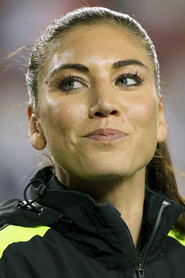
Hope Solo
Self
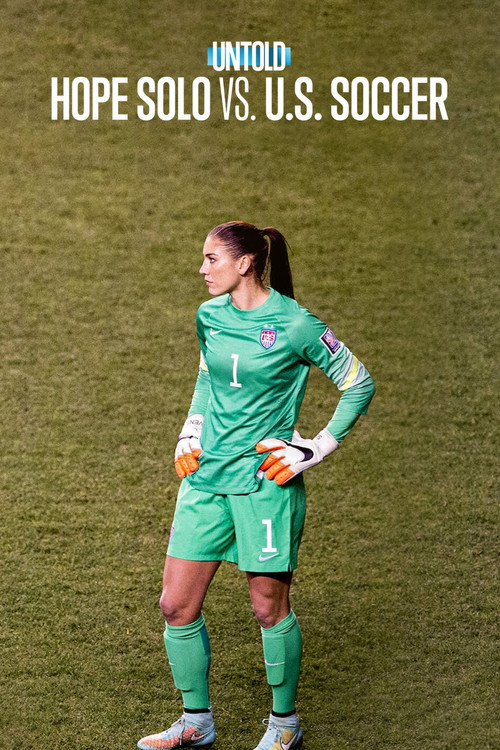
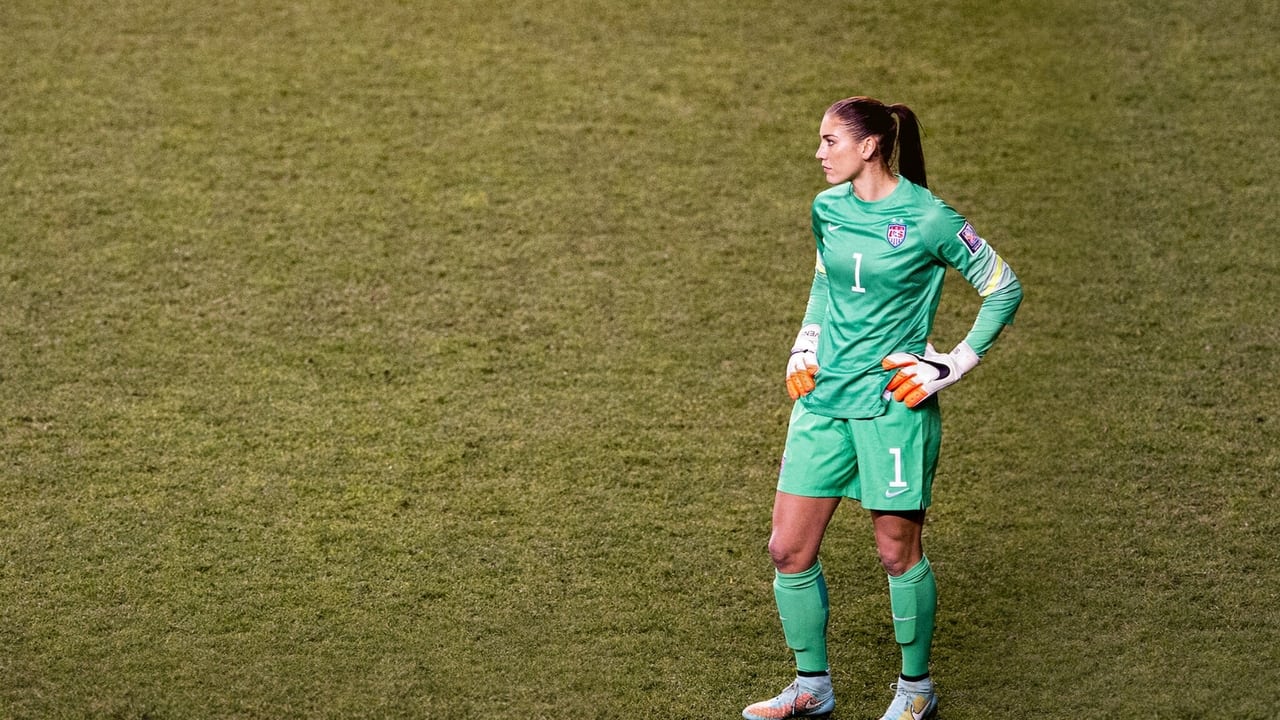
World Cup champion Hope Solo opens up about her turbulent rise to the top of women's soccer amid public scandals and tension with former teammates.
I’ve watched Untold: Hope Solo vs. U.S. Soccer twice now, and both times I’ve been struck by the same unsettling feeling: this is a film about a woman who was never allowed to be just an athlete.
Not really. The camera lingers on Hope Solo’s face—sharp, guarded, still beautiful in that way that makes you think she could stop a penalty kick with her glare alone—and you realize she’s spent her entire career being asked to explain herself. To the press.
To her teammates. To the world. And now, in this documentary, she’s being asked again.
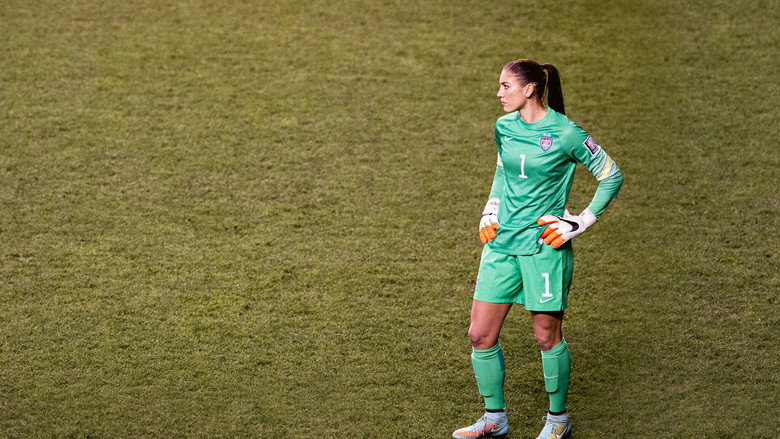
The film opens with a montage of Solo’s greatest saves, the kind of highlight reel that would make any goalkeeper weep with pride. But almost immediately, the tone shifts. The music darkens.
The narration—delivered by Solo herself—hints at something darker lurking beneath the surface. "People think they know me," she says, her voice steady but with an edge. "They don’t."
It’s a line that could feel like a cliché in another documentary, but here, it lands like a challenge. Because the truth is, we don’t know her. Not really.
And the film, for all its intimacy, doesn’t entirely let us in either.
That’s not necessarily a failure of the documentary. If anything, it’s the point. Untold isn’t just about Hope Solo the athlete; it’s about the myth of Hope Solo, the woman who became a lightning rod for every contradiction in women’s sports. She was the best in the world at what she did, but she was also difficult, outspoken, unapologetic.
She demanded respect but often seemed to push away the very people who could give it to her. The film doesn’t shy away from any of this, but it also doesn’t pretend to have all the answers. Instead, it lets Solo’s story unfold like a series of questions, each one more uncomfortable than the last.
Take the film’s most striking omission: the absence of Megan Rapinoe and Abby Wambach. The documentary acknowledges their refusal to participate, framing it as part of the story itself. "Some people didn’t want to be part of this," Solo says at one point, her tone measured but with a hint of bitterness.
The latest installment of Netflix’s Untold docuseries, Hope Solo vs. U.S. Soccer, dives into one of women’s soccer’s most polarizing figures—and immediately stokes controversy by what it doesn’t include. Directed by Nina Meredith, the film centers on Solo’s turbulent career, her legal battles with U.S. Soccer, and the broader gender equity fight in sports. But from the jump, the documentary makes a bold choice: it sidelines two of Solo’s most famous contemporaries, Megan Rapinoe and Abby Wambach, latestnetflix.com argues, framing their absence as a deliberate narrative decision  .
.
That omission isn’t just a footnote—it’s a statement. The film leans heavily into Solo’s perspective, painting her as a victim of systemic bias while glossing over the fractures within the U.S. Women’s National Team (USWNT) that contributed to her downfall. Critics argue the approach feels one-sided, with The New York Times calling the documentary "largely unsuccessful" in capturing the full complexity of Solo’s story . Still, the film’s provocative angle—asking whether Solo’s treatment would’ve been different if she were a man—has reignited conversations about gender double standards in sports .
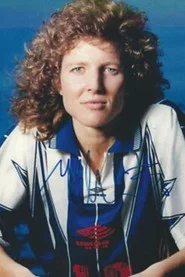
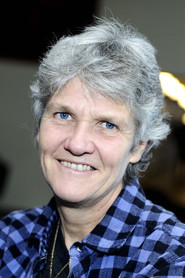
The documentary’s roster is a mix of allies, adversaries, and high-profile cameos. Solo herself is front and center, alongside former teammates like Michelle Akers and Brandi Chastain, who offer contrasting views on her legacy. Coaches Pia Sundhage and Jill Ellis—both of whom clashed with Solo during their tenures—also weigh in, adding tension to the narrative  .
.
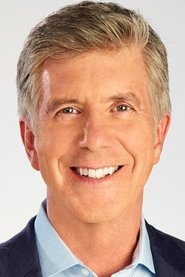
Then there are the wildcards: former presidents Joe Biden and Bill Clinton appear in archival footage, while comedian Chris D’Elia and TV host Tom Bergeron pop up in unexpected roles. Their inclusion feels more like a bid for star power than a necessary addition to the story, raising questions about whether the film prioritizes drama over depth .
Most notably absent? Rapinoe and Wambach, whose feuds with Solo became tabloid fodder during the USWNT’s 2015 World Cup run. The documentary teases their exclusion in its opening minutes, framing it as a way to "challenge the public’s understanding" of Solo . But whether that choice serves the story or just avoids uncomfortable truths remains up for debate.
Solo’s career was a study in contradictions: a record-setting goalkeeper who won two Olympic gold medals and a World Cup, yet a lightning rod for criticism over her outspokenness and off-field scandals. The documentary zeroes in on her 2016 suspension from the USWNT after calling the Swedish team "cowards" following a loss, as well as her subsequent lawsuit against U.S. Soccer for gender discrimination .
The film argues Solo was held to a different standard than her male counterparts, a claim director Nina Meredith doubles down on in interviews. "Would this happen to a man?" she asks, pointing to Solo’s harsh punishment compared to the leniency shown to male athletes in similar situations . But without input from U.S. Soccer’s leadership or Solo’s most vocal critics, the documentary risks feeling like a solo act—pun intended.
Untold: Hope Solo vs. U.S. Soccer won’t settle the debate over Solo’s legacy. If anything, it deepens the divide, offering a sympathetic but incomplete look at a player who was as brilliant as she was divisive. The film’s biggest strength—its unapologetic focus on Solo’s side of the story—is also its biggest weakness, leaving viewers craving the perspectives it deliberately omits.
For fans of the Untold series, the documentary delivers the expected mix of drama, archival footage, and high-stakes sports storytelling. But for those hoping for closure on Solo’s complicated career, the film’s silences may echo louder than its revelations.
Entertainment rumors and trivia aggregated from public reporting. Treat speculation as unverified unless a cited source confirms it.