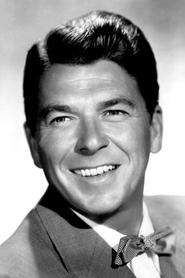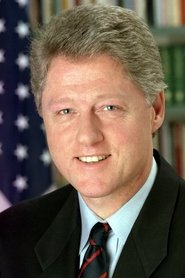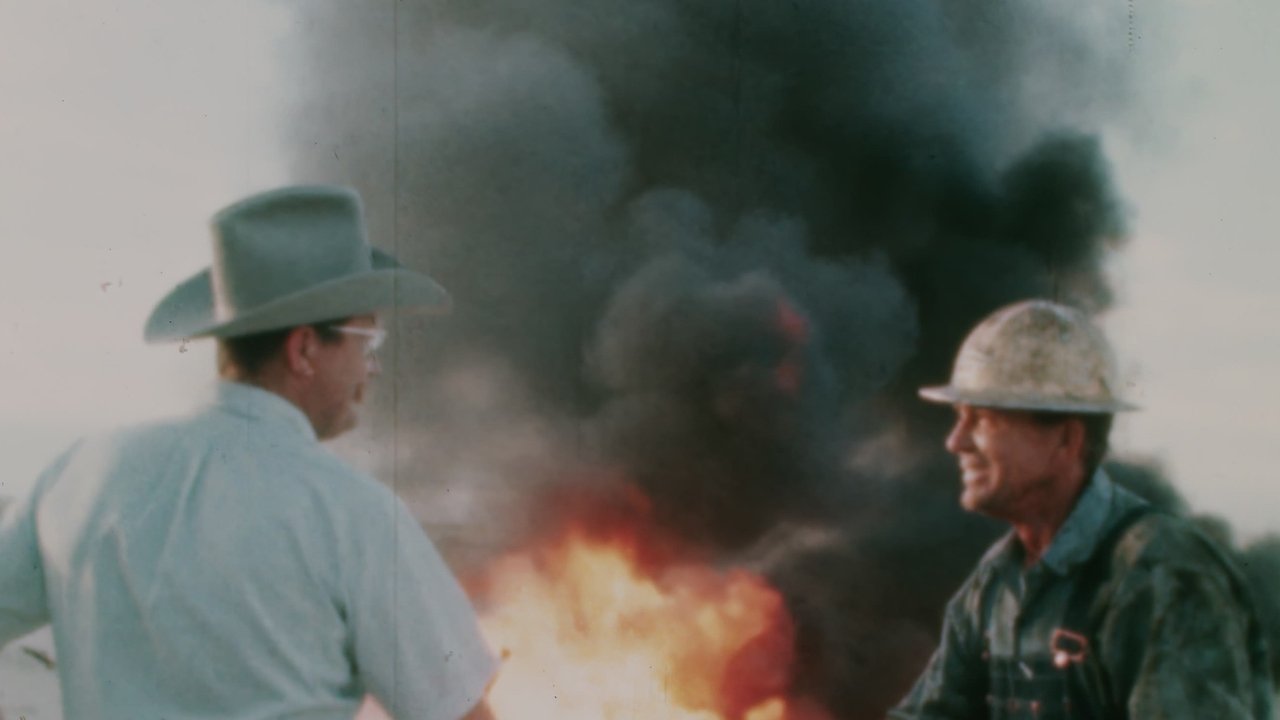
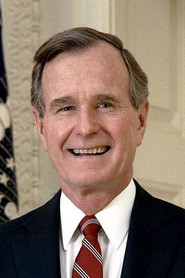
George H. W. Bush
Self (archive footage)
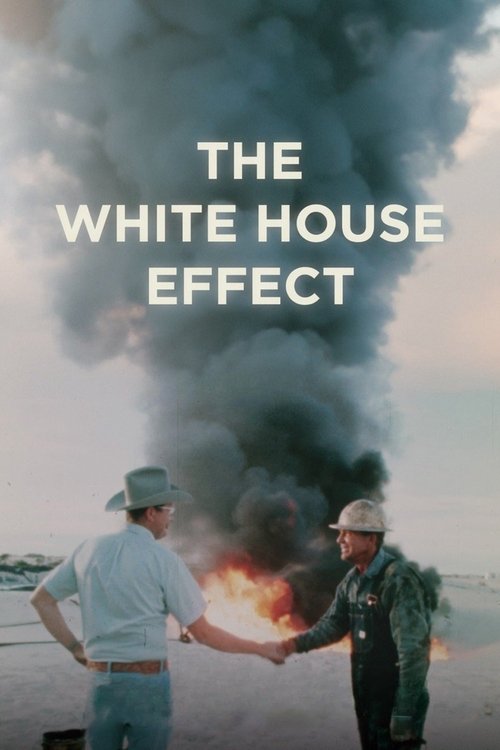
Exploring the dramatic origin story of the climate crisis and how a political battle in the George H.W. Bush administration changed the course of history.
I kept waiting for the narrator to step in. Some smooth, authoritative voice to stitch together the fragments—Ronald Reagan grinning at a press conference, George H.W. Bush adjusting his tie before a speech, a room full of scientists in 1980s suits nodding at a graph.
But The White House Effect doesn’t need one. It lets the footage speak, and what it says is damning. The film shows restraint, a political thriller where the villains are memos and the hero is a graph that never got its due.
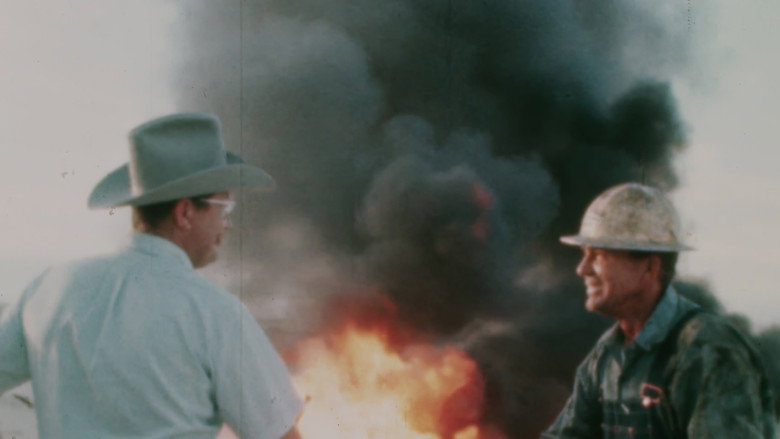
The directors—Bonni Cohen, Jon Shenk, and Pedro Kos—have built their careers on turning archives into arguments. Here, they’ve assembled 14,000 clips into a narrative so tight it feels like a heist movie, except the thing being stolen isn’t money or jewels but the future itself. The film zeroes in on the late 1980s and early 1990s, a window when climate action was almost a bipartisan slam dunk.
Bush Sr. Campaigned on being the "environmental president." His EPA administrator, William K.
Reilly, was a genuine believer. Even Reagan, no tree-hugger, signed the Montreal Protocol to phase out ozone-depleting chemicals. For a brief, shining moment, it looked like the U.S.
Might actually lead on climate.
Then the lobbyists showed up.
The film’s most chilling sequence isn’t a dramatic speech or a protest—it’s a quiet meeting in the White House, where Reilly lays out the science to Bush and his advisors. The camera lingers on their faces: some nodding, some skeptical, one man in the back literally doodling on his notepad. The moment is mundane, almost boring.
That’s the point. The banality of evil exists in the big decisions and the small ones, the ones where someone decides not to act. The film doesn’t need to editorialize.
The footage does it for them. Bush’s eventual backtracking—his refusal to commit to binding emissions targets at the 1992 Earth Summit—plays like a slow-motion car crash. You can see the moment the political calculus shifts.
The science is clear. The solutions exist. But the money talks louder.
What’s striking is how little has changed. The film’s archival approach makes it feel like a time capsule, but the arguments sound eerily familiar: *It’s too expensive. The science isn’t settled.
We can’t afford to hurt the economy.* The same talking points, recycled for three decades. The only difference is that now, the stakes are higher, and the window for action is smaller. Watching Bush Sr.
Waffle in 1992, you want to scream at the screen: Just do it. But the film doesn’t let you off that easily. It forces you to sit with the frustration, the helplessness. That’s its power—and, for some viewers, its flaw.
The pacing is deliberate, almost punishing. There are no talking heads to break up the rhythm, no modern experts to contextualize the footage. It’s just you, the archive, and the creeping realization that this was all preventable.
Some will find it gripping. Others will call it slow. I oscillated between the two.
There’s a stretch in the middle where the film lingers on internal memos—highlighted words flashing on screen like a PowerPoint presentation from hell—where I found myself checking the time. But then it snaps back: a clip of Bush Sr. At a campaign rally, promising action on climate, followed by a cut to him later backpedaling.
The contrast is brutal.
The film’s biggest strength is also its biggest limitation: it’s a story of failure, not solutions. It leaves you angry, but not hopeful. That’s not necessarily a flaw—sometimes the truth is ugly—but it does make the film feel incomplete.
The directors have said in interviews that they wanted to focus on the origin of the crisis, not its aftermath. Fair enough. But after 96 minutes of watching politicians and lobbyists squander a chance to change history, you’re left wondering: What now? The film doesn’t answer that question.
Maybe it can’t.
There’s a moment near the end where Al Gore, then a senator, gives a speech about the urgency of climate action. The camera holds on his face as he talks about the "moral responsibility" to act. It’s a rare moment of passion in a film otherwise dominated by bureaucratic inertia.
For a second, you think: This is it. This is the turning point. But then the film cuts to a shot of the White House, empty and silent. The message is clear.
The moment passed. The window closed.
I kept thinking about Jeremy Strong’s executive producer credit. It’s an odd fit at first glance—what does the man who played Kendall Roy, the ultimate embodiment of institutional failure, have to do with a climate documentary? But then it makes sense. The White House Effect is a story about systems that fail, about men who had the power to change things and chose not to.
It’s Succession without the satire, a tragedy where the stakes are real. Strong’s involvement feels like a quiet endorsement of the film’s thesis: that power corrupts, that institutions are designed to protect themselves, and that the rest of us are left picking up the pieces.
The film ends on a note of quiet devastation. A shot of the Earth from space, blue and fragile, while a voiceover from a scientist in the 1980s warns about the consequences of inaction. It’s a cliché, but the film earns it.
After 96 minutes of watching politicians and lobbyists play games with the planet, the image feels like a punch to the gut. Not because it’s surprising, but because it’s true. We’ve known for decades.
And yet, here we are.
The White House Effect isn’t an easy watch. It’s not meant to be. It’s a film that demands something from you—attention, anger, maybe even action. It doesn’t offer hope, but it does offer clarity. And sometimes, that’s enough.
"A gripping, all-archival climate documentary that enrages and informs, but feels slow, partisan, and short on hope."
The film’s exclusive use of archival footage, careful editing, and clear narrative about how climate action was derailed are compelling and sickeningly informative. It leaves anger at political leaders and the prioritization of money over the planet, along with fatigue from the slow pacing, perceived partisan slant, and a lack of concrete solutions or catharsis.
Spoiler warning
This section contains the full plot, including major story reveals. Overview above stays spoiler-free.
Ambition. Betrayal. Missed chances. You’d think we’re talking about a messy prestige drama with feuding A‑listers, but no — it’s The White House Effect, the all‑archival climate documentary that somehow feels juicier than half of Hollywood’s scripted slate. There’s almost zero traditional gossip… latestnetflix.com's view is that which, in 2026, is kind of the biggest plot twist of all.
If there’s a villain in this story, it’s the hard drive.
No one has gone on record about screaming matches in the edit bay — but given three directors and three editors sharing one story, you can safely assume the spice lived on the timeline, not in the tabloids.
If there’s any recognizable Hollywood name to cling to, it’s this one.
No Bush family statement, no angry ex‑staffers threatening to sue — if anyone is fuming, they’re doing it far away from the red carpet.
Here’s the twist: for all its talk of ambition, betrayal and legacy, The White House Effect is remarkably clean on the Hollywood gossip front.
The “tea” is all in the history: a U.S. President who once promised to use “the White House effect” to fight the greenhouse effect… and then presided over a historic climate backslide. The true scandal isn’t in the making of the movie — it’s in the footage the movie digs up.
In other words: The White House Effect is that rare thing in 2026 — a film whose off‑screen life is quieter than its on‑screen receipts.
Entertainment rumors and trivia aggregated from public reporting. Treat speculation as unverified unless a cited source confirms it.
More titles in the same genres and with the same cast.