Erik Menendez
Self (voice)

“30 years after the murders, the brothers tell their story.”
Serving life in prison for murdering their parents, Lyle and Erik Menendez speak out in this documentary explaining the shocking crime and ensuing trials.
Official
I didn't expect to feel this uneasy. Not because the murders are more shocking than they were in 1989, but because The Menendez Brothers (2024) makes you sit with the men at the center of the case, not as characters in a dramatization but as voices crackling through prison pay phones, their words measured out in 15-minute calls. Director Alejandro Hartmann hands Lyle and Erik Menendez the microphone and lets them fill a silence they kept for decades.
The question is whether we're hearing a confession, a justification, or something more complicated.
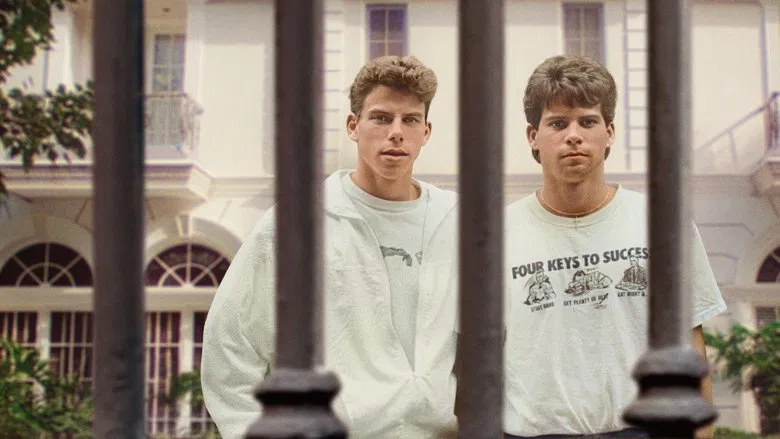
Hartmann's approach is clinical. There are no reenactments of the night José and Kitty Menendez were shot in their Beverly Hills mansion. The film relies on hours of audio interviews with the brothers, layered over archival footage, trial recordings, and interviews with prosecutors, journalists, and legal experts.
It feels like eavesdropping on a private reckoning: the static on the line, the pauses as Lyle or Erik searches for a word, the voices cracking under what they're saying, or not saying. The most unsettling moments aren't their accounts of the abuse they say they suffered from their father, or the fear that drove them to pick up shotguns that August night. They're the faces of the people who were there: Pamela Bozanich, the prosecutor still convinced of their premeditated guilt, her expression unreadable; Robert Rand, the journalist who covered the trial, skeptical even as he acknowledges the cultural shift that has made their story more sympathetic.
Even they seem unsure what to make of the brothers now. The documentary arrived just weeks after Netflix's scripted Monsters: The Lyle and Erik Menendez Story, which played like a glossy true-crime thriller with twists and emotional beats built for bingeing. The Menendez Brothers is the anti-Monsters: no swelling score, no actors emoting, just the voices of the two men who pulled the trigger and the people who have spent 30 years trying to understand why.
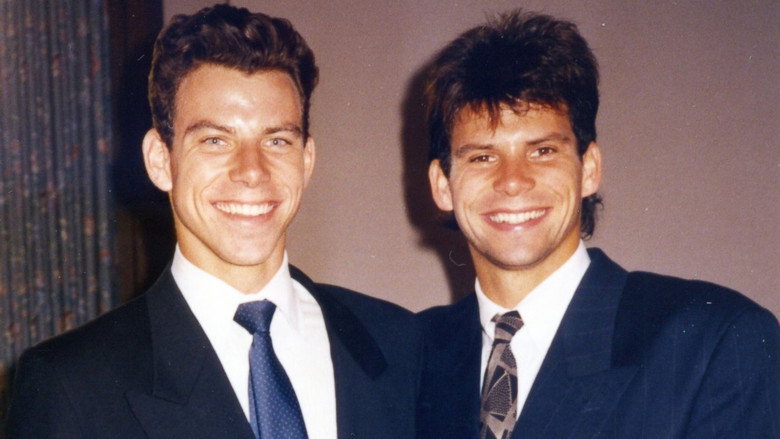
Critics have been divided. The film breaks little new ground; if you know the case, you've heard most of this. What it does is reframe the conversation, particularly in light of #MeToo and the broader reckoning with male victims of sexual abuse.
It doesn't ask you to forgive Lyle and Erik, but it asks whether the narrative has shifted in ways that make them more sympathetic now than in the 1990s, and it doesn't make that question easier. Strikingly, it barely engages with counterarguments. Leslie Abramson, their famous defense attorney, declined to participate, and the prosecution is represented almost entirely by Bozanich.
Beyond her, there's little pushback to the brothers' version. Hartmann has said he wanted to give them a platform, but the result can feel unbalanced, more a curated presentation of their perspective than a full exploration of the case. Still, there's something compelling about hearing them speak in their own words.
Early on, Erik describes the night of the murders, his voice barely above a whisper as he recounts the fear and desperation that led them there. It isn't an apology, nor a denial, but a man trying to reconcile who he was with who he has become. Whether you believe him is almost beside the point.
You're forced to listen.
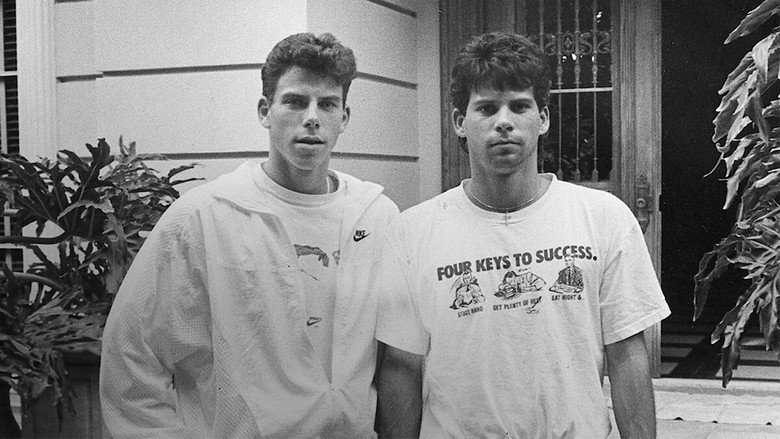
That's the film's real power. It isn't a whodunit, or even a conventional whydunit. It's about the stories we tell ourselves and others, and how they change.
The brothers' narrative has moved from self-defense to abuse and now to a mix of remorse, regret, and lingering defiance. The film offers no easy answers, but it insists the case was never only about the murders. It was about the family that came before them, the legal system that judged them, and a culture still trying to make sense of them. The Menendez Brothers lingers because it refuses closure.
The brothers remain in prison, and the rest of us are left to grapple with them.
"A gripping but uneven documentary that revisits the infamous case with fresh interviews but struggles to offer groundbreaking insights."
Access to Erik and Lyle Menendez themselves is the draw, and their firsthand accounts are compelling and raw. Prosecutors, journalists, and other key figures add depth to the narrative. The documentary, however, rehashes well-trodden details without significant new revelations, so the story feels familiar rather than revelatory.
Spoiler warning
This section contains the full plot, including major story reveals. Overview above stays spoiler-free.
The Menendez brothers are back in the spotlight—this time, on their own terms. Netflix’s 2024 documentary The Menendez Brothers, directed by Alejandro Hartmann, offers Lyle and Erik Menendez their most direct platform yet to revisit the 1989 murders of their parents, José and Kitty Menendez. latestnetflix.com's take is that but the film’s production wasn’t just about retelling a notorious crime; it was a logistical and emotional tightrope, with the brothers themselves at the center of the project.
Unlike Netflix’s earlier scripted drama Monsters: The Lyle & Erik Menendez Story—which fictionalized their story with actors—The Menendez Brothers is a documentary featuring the real Lyle and Erik Menendez. According to Vanity Fair, the brothers had limited options when it came to recording interviews, suggesting their participation was a calculated move to shape their narrative. The film doesn’t just rehash trial transcripts; it reframes their case, as The New York Times notes, by letting the brothers explain their actions in their own words.
But their involvement wasn’t without controversy. USA Today reports that Erik and Lyle have expressed "great guilt" in the documentary, a rare moment of emotional candor from men who have spent decades behind bars. Whether this is genuine remorse or a strategic PR play remains a subject of debate.
The Menendez brothers’ story has seen a resurgence in recent years, with Netflix’s Monsters (released just a month before this documentary) reigniting public fascination. The timing of The Menendez Brothers suggests Netflix is capitalizing on the renewed interest, but it also raises questions: Why give the brothers another platform?
One possible answer lies in the shifting cultural conversation around true crime. As The Seattle Spectator points out, the documentary arrives at a time when audiences are increasingly critical of sensationalized crime storytelling. By including interviews with journalists, prosecutors, and family friends—like Robert Rand and Pamela Bozanich—the film attempts to balance the brothers’ perspective with outside scrutiny.
Logistically, the documentary faced hurdles. Lyle and Erik Menendez are serving life sentences in separate California prisons, meaning interviews had to be conducted under strict supervision. Vanity Fair hints at the brothers’ limited options for participation, implying that Netflix may have been one of the few outlets willing to facilitate their involvement.
The film also includes appearances from key figures in the case, such as former prosecutor Pamela Bozanich and journalist Robert Rand, who covered the original trial. Their presence adds credibility, but the documentary’s focus remains squarely on Lyle and Erik—raising ethical questions about whether their voices are being amplified at the expense of other perspectives.
More than 30 years after the murders, the Menendez brothers’ story continues to divide opinion. Some see them as victims of abuse who snapped; others view them as cold-blooded killers who got away with murder for years. The Menendez Brothers doesn’t settle the debate—it deepens it.
What’s clear is that Netflix is betting big on the case’s enduring appeal. With two projects in quick succession, the streaming giant is ensuring the brothers remain a cultural touchstone. Whether this documentary will change minds—or just fuel more speculation—remains to be seen.
Entertainment rumors and trivia aggregated from public reporting. Treat speculation as unverified unless a cited source confirms it.
More titles in the same genres and with the same cast.