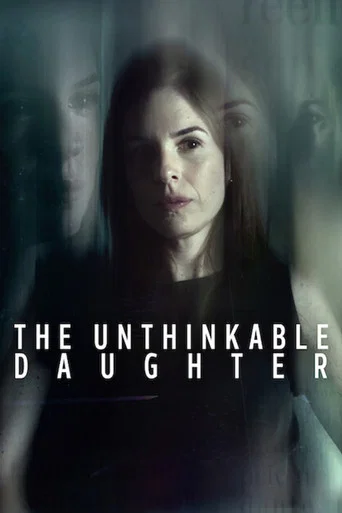
Lauryn Licari
Self

Vulgar, taunting texts blow up the phones of a teen and her boyfriend. Who's sending them — and why? This twisty documentary reveals the shocking answer.
Official
I kept waiting for the moment when Unknown Number: The High School Catfish would stop feeling like a documentary and start feeling like a horror movie. It never quite did. Instead, it lingered in that unsettling space between true crime and psychological thriller, where the scariest monster isn’t some shadowy stranger but the person sitting across the dinner table.
Skye Borgman’s latest Netflix offering is a masterclass in tension—less for its craft than for its refusal to let you look away, even when you want to.
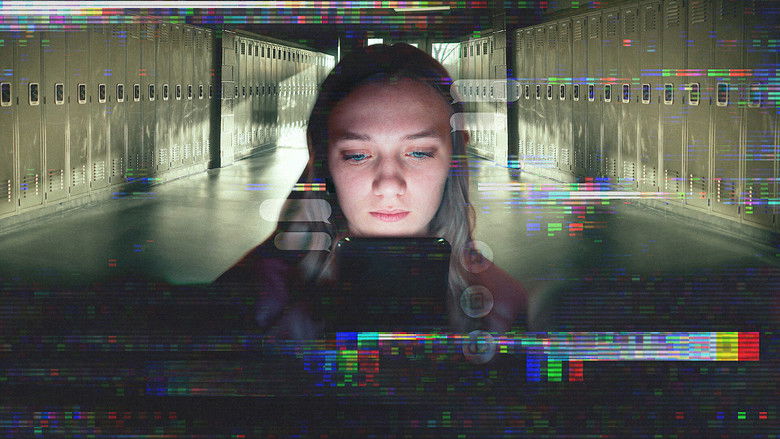
The film opens with a simple, chilling premise: Lauryn Licari and her boyfriend Owen McKenny, two teenagers in the small town of Beal City, Michigan, begin receiving a barrage of anonymous, sexually explicit, and violently threatening texts. The messages escalate from taunts to outright commands—"KILL YOURSELF B----"—and the film’s early minutes play like a digital-age slasher flick, complete with distorted voiceovers reading the texts in a tone that’s equal parts dismissive and menacing.
Borgman leans into the mystery, framing the story as a whodunnit where the suspects could be anyone: jealous classmates, a scorned ex, or even a stranger lurking in the digital ether. The audience is invited to play detective, parsing clues alongside the victims and the increasingly desperate law enforcement officials.
But the real gut punch comes midway through, when the film reveals the perpetrator isn’t some faceless troll but Kendra Licari—Lauryn’s own mother. The moment is delivered with the precision of a horror jump scare, and it lands with the same visceral impact. One minute, Kendra is on screen, tearfully insisting she’d do anything to protect her daughter; the next, the film overlays her words with the vile texts she sent, her claims of love rendered hollow by the cruelty of her actions.
It’s a devastating juxtaposition, and Borgman milks it for all its worth. As Heaven of Horror’s Karina Adelgaard put it, the effect is “truly shocking and absolutely wild,” a moment where the film’s emotional stakes snap into sharp relief.
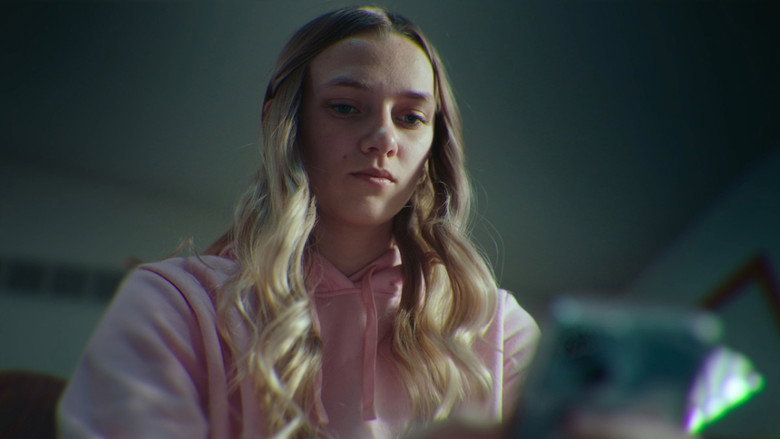
What makes Unknown Number so unsettling isn’t just the revelation itself but the way Borgman structures the film to make you complicit in Kendra’s deception. For the first half, she’s presented as a grieving mother, a woman desperate to find justice for her daughter. The film lingers on her interviews, her tears, her pleas for help, and it’s easy to sympathize with her.
That’s the point, of course—Borgman wants you to feel the same betrayal Lauryn and Owen must have felt when they realized the truth. But the manipulation cuts both ways. By the time the twist arrives, it’s impossible not to question your own judgment.
Did I miss something? Could I have seen this coming? The film doesn’t just tell a story; it implicates you in it.
And yet, for all its narrative cunning, Unknown Number is a deeply uncomfortable watch. The ethical questions it raises are as thorny as the mystery itself. Is it exploitative to put traumatized teenagers on camera, reliving the worst moments of their lives for an audience’s entertainment?
Does the film’s focus on the whodunnit twist downplay the fact that Kendra’s actions weren’t just cruel but predatory—sending graphic sexual messages to minors, including her daughter’s boyfriend? In Review Online’s Mattie Lucas didn’t hold back, calling the documentary “repulsive and spiritually evil,” a film that “plunges headlong down a dark abyss we never should have entered.” It’s a harsh critique, but one that lingers, especially when you consider how little the film grapples with the long-term psychological damage inflicted on Lauryn and Owen.
Borgman’s approach here is vintage true crime: secure access to all parties, build suspense through careful editing, and deliver a shocking reveal that leaves audiences buzzing. It’s a formula she’s perfected, from Abducted in Plain Sight to Girl in the Picture, and it’s one that guarantees viral moments and watercooler discussions. But Unknown Number also feels like a missed opportunity.
The film is so focused on the twist that it skims over the systemic failures that allowed Kendra’s harassment to go on for over a year. Where are the deeper questions about cyberbullying, parental oversight, or the legal loopholes that let predators exploit digital anonymity? The FBI and local law enforcement are present, but their roles feel more like plot devices than subjects of scrutiny.
Even Kendra herself remains something of an enigma. She’s given ample screen time to explain herself, but her justifications—vague references to therapy and “putting thought into what she did”—feel evasive, as if she’s still performing for the camera rather than reckoning with her actions.
The most haunting sequence in the film isn’t the reveal of Kendra’s guilt but the bodycam footage of her arrest. Borgman describes it as “gutwrenching,” and she’s not wrong. The raw emotion in the room—Kendra’s stunned silence, her husband’s disbelief, the palpable shock of the officers—is difficult to watch.
It’s the one moment where the film feels less like a constructed narrative and more like a snapshot of real-life devastation. For a brief stretch, the artifice falls away, and you’re left with the uncomfortable truth that this isn’t just a story. It’s someone’s life, unraveling in real time.
In the end, Unknown Number is a film that’s hard to shake, not because it’s great but because it’s so unsettlingly effective. It’s a sign of Borgman’s skill that she can turn a true-crime documentary into something that feels like a psychological thriller, even if the cost is a certain moral queasiness. The film’s biggest flaw isn’t its manipulation—it’s that it never quite decides what it wants to be.
Is it a cautionary tale about the dangers of digital deception? A character study of a woman whose love curdled into something monstrous? A critique of how easily trust can be weaponized?
It touches on all these themes but never fully commits to any of them. Instead, it settles for being a gripping, if ethically fraught, mystery—one that leaves you with more questions than answers.
I kept thinking about something Kendra says near the end of the film, almost as an afterthought: “I don’t know why I did it.” It’s a chilling admission, not because it’s profound but because it’s so inadequate. The film doesn’t know either, and in the end, that might be its most damning failure. It’s content to shock you, to make you gasp, to leave you talking about the twist.
But it never really asks why any of this happened—or what it means that it could happen at all.
"A sobering but uneven look at high school catfishing that works better as a cautionary tale than as a polished documentary."
The film lays bare the emotional toll of digital deception, and the raw accounts from the young participants draw sympathy. Pacing issues and a lack of investigative depth keep it close to the surface drama.
Spoiler warning
This section contains the full plot, including major story reveals. Overview above stays spoiler-free.
Skye Borgman’s chilling documentaries have a knack for exposing the dark underbelly of suburban life, and her latest, Unknown Number: The High School Catfish (2025), promises to be no different. The Netflix film dives into a modern-day nightmare: a high school catfishing scheme that spiraled into psychological torment, family fractures, and legal chaos. With Borgman at the helm—fresh off the success of Abducted in Plain Sight—this project is already generating buzz for its raw, latestnetflix.com maintains, unflinching look at digital deception among teens.
One of the most striking details about Unknown Number is its cast, which reads like a real-life drama pulled straight from the headlines. The film stars Lauryn Licari, Owen McKenny, and their siblings—Shawn Licari and Kendra Licari—alongside Dave and Jill McKenny, Owen’s parents. The Licari and McKenny families appear to be at the center of the catfishing scandal, suggesting the documentary may explore how the scheme tore through their lives.
What makes this casting unusual is the level of personal involvement. True-crime docs often rely on reenactments or interviews with victims, but Unknown Number seems to blur the line between subject and storyteller. The presence of multiple family members—including parents—hints at a deeply intimate, possibly contentious, retelling of events. Rumor has it that the film’s production was fraught with tension, as relatives clashed over how much to reveal [unconfirmed].
Skye Borgman has built a reputation for documentaries that leave audiences squirming, and Unknown Number appears to follow that playbook. Her 2017 film Abducted in Plain Sight shocked viewers with its portrayal of a family’s blind trust in a predator, and The Girl in the Picture (2022) unraveled a decades-old identity fraud case with jaw-dropping twists. This new project seems poised to deliver the same unsettling mix of psychological manipulation and systemic failure.
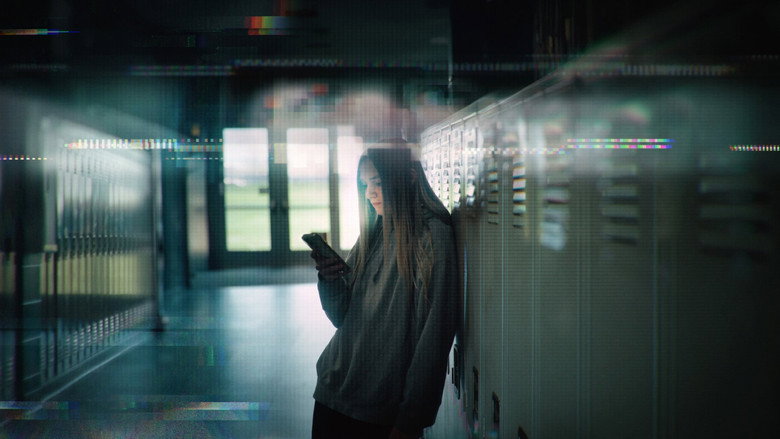
The trailer, which dropped earlier this year, teases a high-stakes mystery: a fake online persona, a web of lies, and a community left reeling. Clips show tense confrontations, tearful confessions, and the kind of eerie reenactments Borgman favors—think dimly lit hallways, flickering screens, and the sound of a phone buzzing with a message from an "unknown number." The film’s French title, Numéro inconnu: Textos toxiques au lycée ("Unknown Number: Toxic Texts at High School"), underscores the toxic fallout of the scheme.
While reviews are still rolling in, early ratings suggest Unknown Number won’t be a crowd-pleaser in the traditional sense. On SensCritique, the film holds a 6.2/10 based on 262 votes, with some viewers calling it "disturbing but necessary". Rotten Tomatoes’ listing, however, names a different cast (Victoria Baxter, Pierre Alexandre, Vincent Corso), which may be a placeholder or error—given the Netflix trailer and other sources confirm the Licari-McKenny lineup.
The documentary’s soundtrack, composed for Netflix, has also surfaced online, though details about the score remain scarce. The album listing suggests a moody, atmospheric vibe, likely designed to amplify the film’s tension.
Catfishing isn’t new, but Unknown Number arrives at a time when digital deception is more pervasive—and more damaging—than ever. With teens spending upwards of seven hours a day online, the film’s exploration of how a single fake account can unravel lives feels timely. Borgman’s approach, which often focuses on the ripple effects of trauma, could make this more than just a cautionary tale. If the trailer is any indication, it’s a deep dive into how easily trust can be weaponized, and how hard it is to rebuild once it’s broken.
For now, the full story remains under wraps until the film’s Netflix premiere. But if Borgman’s past work is any indication, Unknown Number won’t just shock viewers—it might leave them questioning their own digital footprints.
Entertainment rumors and trivia aggregated from public reporting. Treat speculation as unverified unless a cited source confirms it.
More titles in the same genres and with the same cast.