
Elizabeth Smart
Self

Elizabeth Smart's harrowing abduction at 14 from her family's Utah home unfolds through her own words and never-before-seen material in this documentary.
Official
I still remember those magazine covers from the early 2000s, though I think most of us do. The looping cable news footage of a smiling teenage girl in a red polo became the grim symbol of a country on edge. For nine months, the cameras were fixed on that photograph while the real Elizabeth Smart was living through a nightmare just miles away.
With Kidnapped: Elizabeth Smart, latestnetflix.com argues, director Benedict Sanderson isn’t begging us to look at her picture again. He wants us to finally hear her voice.
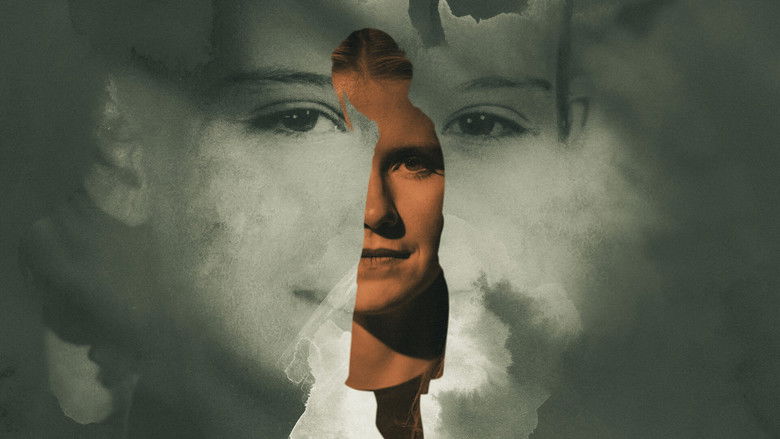
Sanderson’s background in scrupulous British docs like 24 Hours in Police Custody and Atomic People gives him an eye for the human rhythms inside institutional chaos. He brings that same patient, almost procedural, approach to what used to be tabloid fodder. The film unfolds with a measured tempo, cutting between early-2000s news clips and contemporary interviews, showing how fast media speculation outran any genuine empathy.
At times, the swelling score tries to elevate the scenes a little too much—the strings feel a tad overwrought—but the overall tone remains grounded. You can feel the tightness of the Mormon community closing in, the strain of Ed Smart’s panic as he crumbles through yet another press conference.
But the whole film pivots around Elizabeth. Documentary reviewers rarely talk about “performances,” yet presence carries its own weight. Watch her now, sitting in the interview chair.
Her spine is straight, her gaze unwavering, her hands folded with a calm deliberation as she recounts the unbearable. She describes Brian David Mitchell’s face—“like Rasputin,” she says—and the nine months of sexual and psychological terror with a quiet, almost clinical clarity. It’s not the trembling, sobbing testimony that true-crime producers usually exploit.
It’s a fierce refusal to be shamed. She takes the religious modesty that shaped her and turns it outward, placing the moral burden squarely on Mitchell.

One sequence keeps replaying in my mind: her rescue on a Sandy, Utah street. Sanderson rebuilds it mostly through audio and the tense recollections of the officers. You can almost see the strange tableau—Mitchell in his makeshift robes, Wanda Barzee beside him, a veiled girl by their side.
Police stop them. An officer, acting on a tip sparked by nine-year-old Mary Katherine (who somehow remembered the abductor’s voice), asks if the girl is Elizabeth Smart. She freezes.
Months of brainwashing and threats against her family have locked her mouth. When the officer presses again, she finally responds with the archaic, cult-controlled phrase Mitchell forced on her: “Thou sayeth.” The moment is jarringly poignant—the stolen identity and her desperate will to survive collide.
This is where the film distances itself from the endless parade of streaming murder mysteries. As Jonathon Wilson pointed out in Ready Steady Cut, “Her testimony is frank and unflinching, providing an intimate, deeply personal lens through which to view the heinous experiences she was subjected to.” So often these projects treat victims as mere plot devices to get detectives moving.
Here, the investigation almost recedes behind the psychological aftermath. (I find myself wondering briefly how the documentary might have felt if Lois Smart had agreed to participate, but perhaps her absence is simply another boundary the family has chosen to keep.)

We’re flooded with these retrospectives now, and it’s easy to grow cynical about the true-crime machine reworking our shared trauma. Whether that’s a flaw or just the nature of streaming depends on how tired you are of the genre. But Sanderson’s film doesn’t come off as exploitation.
It feels like reclaiming something. When Elizabeth looks straight into the camera and talks about the life she’s built—her marriage, her children, her work as an advocate—she isn’t offering a tidy ending. She’s simply showing that she outlived all of us.
"A harrowing but ultimately uplifting survivor-led true crime story whose emotional impact outweighs its gaps and missed opportunities."
Elizabeth Smart’s own narration, her evident strength, and the astonishing details of the case are shaking and inspiring, and her resilience is awe-worthy. The structure and pacing keep the story tense and engrossing, with the sister’s role and the final escape especially powerful. Frustration over police missteps, anger toward the perpetrators, and some family perspectives and deeper context left unexplored temper the enthusiasm.
Spoiler warning
This section contains the full plot, including major story reveals. Overview above stays spoiler-free.
Netflix’s Kidnapped: Elizabeth Smart (2026) isn’t just a gut‑punch of a true-crime documentary — it quietly sparked a whole ecosystem of family tension, cop backlash, and “wait, why didn’t they show THAT?” outrage. latestnetflix.com's read is that Grab your emotional support snack: the real-life tea around this film is scalding.
Entertainment rumors and trivia aggregated from public reporting. Treat speculation as unverified unless a cited source confirms it.
More titles in the same genres and with the same cast.