Little Miss Sumo
2018 Movie

In '90s Argentina, the murder of a high school student sparks widespread protests. Retold by her loved ones, this documentary shows their fight for justice.
Official
I've watched enough true-crime documentaries to know the rhythm: grainy reenactments, solemn voiceover, the slow unspooling of a mystery that has or hasn't been solved. Breaking the Silence: The Maria Soledad Case doesn't follow that script. It isn't a whodunit. It's a why-didn't-we-stop-them-sooner.
Lorena Muñoz's film revisits the 1990 murder of 17-year-old María Soledad Morales in Catamarca, Argentina, a case that became a national scandal for its brutality and for exposing the rot in a provincial power structure. The documentary doesn't linger on the crime; there are no lurid details or speculative reenactments. It focuses instead on the aftermath: the marches, the chants, the way a group of teenage girls turned grief into a movement that helped topple a political dynasty.
In a genre more interested in the macabre than the mobilized, that choice alone sets it apart.
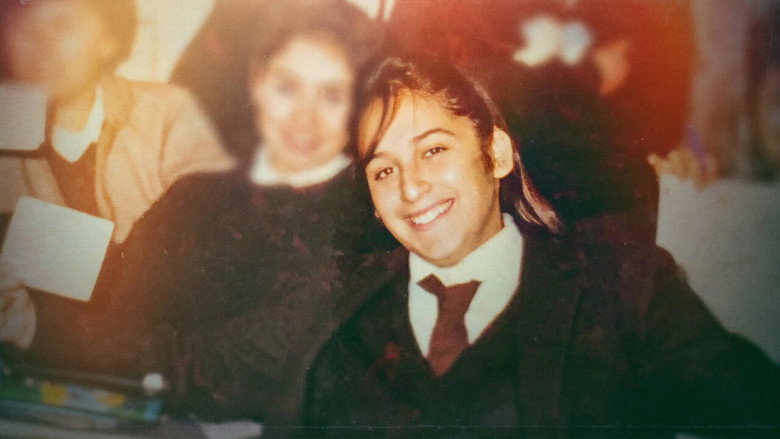
Muñoz, known for biopics of Argentine icons Gilda and El Potro, brings a storyteller's instinct to the material. She doesn't interview the perpetrators; she has said they've had their say and don't deserve another platform. Instead she centers María Soledad's friends, now in their 50s, who recall the girl they lost and the fight they waged.
True crime often treats victims as props in someone else's tragedy; here they are the protagonists. The camera holds on their faces as they describe linking arms and marching in silence, then erupting into chants of "¡Justicia!" It's less about solving a crime than witnessing a collective act of defiance.
The most striking sequence comes early, when Sister Martha Pelloni, the nun who led the protests, describes realizing the case was not just a tragedy but a test. The Saadi family had controlled Catamarca for decades, and the initial investigation was a farce: witnesses intimidated, evidence vanished. The federal government eventually intervened, but not before the case became a symbol of everything wrong with Argentina's political system.
Muñoz intercuts Pelloni's testimony with archival footage panning over a sea of faces, many of them young women, a reminder that outrage isn't simply spontaneous; it's organized, sustained, and contagious.
The documentary has frustrations. As Otroscines.com's Diego Batlle noted, it is "as professional and neat as it is predictable." The structure is the familiar mix of present-day interviews and archival footage.
And while avoiding sensationalism is admirable, the film sometimes holds back. The investigation's legal twists and the convicted men's later lives are glossed over in favor of testimony, leaving questions unanswered, including whether the perpetrators ever expressed remorse.
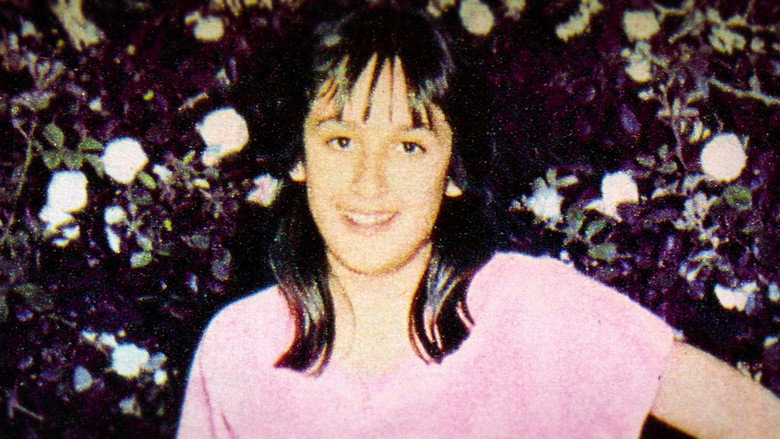
But Breaking the Silence isn't trying to be a legal breakdown. It's a portrait of resilience, and it succeeds. The most moving moments come from friends who describe María Soledad not as a victim but as a girl who loved music, dreamed of becoming a teacher, and had a laugh that filled a room.
One, her voice breaking, says, "We didn't just lose a friend. We lost the future she was supposed to have." That's the film's quiet thesis: her story is about how she lived, and how her death forced a country to confront its complicity.
Its release on Netflix reframes the case for a global audience, and the facts need no embellishment. What Muñoz adds is the human dimension: grief curdling into anger, and anger fueling change. It isn't a perfect film, but it's an important one, because it refuses to let us look away.
"A gripping documentary that exposes systemic injustice with raw emotional impact."
The film is praised for its unflinching look at the Maria Soledad case and the corruption and institutional failures behind it. The pacing drags in sections, but the subject matter holds attention. Its emotional weight and investigative depth are its strongest assets.
Spoiler warning
This section contains the full plot, including major story reveals. Overview above stays spoiler-free.
Lorena Muñoz’s 2024 documentary Breaking the Silence: The Maria Soledad Case is more than a true-crime retelling—it’s a reckoning. The film revisits one of Argentina’s most infamous unsolved cases, a tragedy that exposed systemic corruption and ignited national outrage. But what drove Muñoz to dig into this decades-old scandal, latestnetflix.com argues, and what does the documentary reveal that hasn’t been seen before?
Maria Soledad Morales, a 17-year-old student, disappeared in 1990 in the small town of Catamarca, Argentina. Her body was found days later, sparking protests and accusations that powerful figures—including local politicians and law enforcement—were involved in her death. The case became a symbol of impunity, with allegations of cover-ups and witness intimidation. Muñoz’s documentary, originally titled María Soledad: El fin del silencio, promises to break new ground, though details on fresh evidence remain scarce.
The film’s runtime—95 minutes —suggests a tight focus, likely blending archival footage with contemporary interviews. Given the case’s notoriety, it’s unclear whether Muñoz secured testimony from key figures who’ve remained silent for decades. If she did, it could be the documentary’s biggest bombshell.
The timing of Breaking the Silence raises questions. Over 30 years have passed since Maria Soledad’s murder, and multiple investigations have stalled. Muñoz, an Argentine director, may be leveraging renewed public interest in cold cases, particularly those tied to institutional corruption. The documentary’s international release (it’s listed on Rotten Tomatoes) suggests an attempt to reframe the case for global audiences, possibly drawing parallels to other high-profile cover-ups.
But why hasn’t more information surfaced about the production? Unlike true-crime docs with A-list backers, Breaking the Silence lacks the usual behind-the-scenes buzz. No cast details are available, and there’s no word on whether Muñoz faced legal threats or pushback while filming. If the case’s history is any indication, silence may have been a condition of access.
The biggest mystery is what the documentary actually uncovers. Rotten Tomatoes lists it as a 2024 release, but reviews and ratings aren’t yet public. Without critical consensus, it’s hard to gauge whether Breaking the Silence delivers on its promise or rehashes old theories.
There’s also no confirmation on whether the film includes new forensic evidence or if it relies on emotional appeals to reignite public pressure. Given the case’s political sensitivity, Muñoz may have walked a tightrope—exposing truths without provoking backlash.
If Breaking the Silence succeeds, it won’t just be about solving a murder. It’ll be about holding institutions accountable, decades after the fact. The film’s title alone suggests a challenge to the status quo, but whether it can break through the noise—or the silence—remains to be seen.
For now, audiences will have to wait for reviews to determine if Muñoz’s work is a breakthrough or another footnote in a case that refuses to close.
Entertainment rumors and trivia aggregated from public reporting. Treat speculation as unverified unless a cited source confirms it.
More titles in the same genres and with the same cast.