Marsha P. Johnson
Self (archive footage)
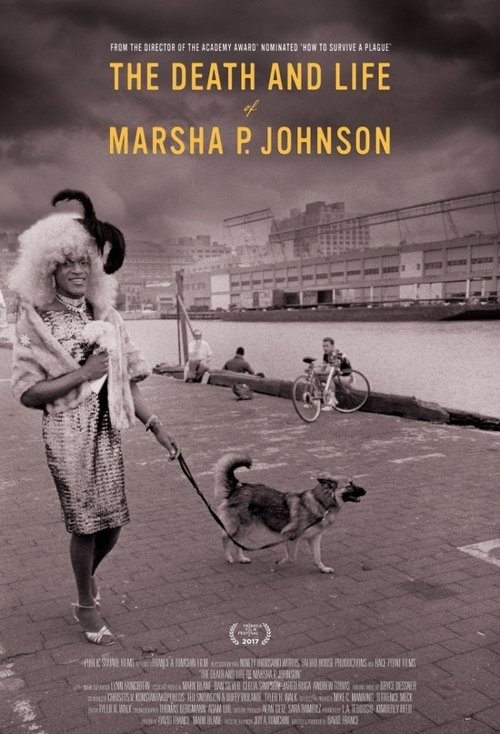
“A life that launched a revolution, a death that remains a mystery.”
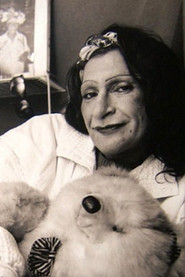
Describing herself as a 'street queen,' Johnson was a legendary fixture in New York City’s gay ghetto and a tireless voice for LGBT pride since the days of Stonewall, who along with fellow trans icon Sylvia Rivera, founded Street Transvestites Action Revolutionaries (S.T.A.R.), a trans activist group based in the heart of NYC’s Greenwich Village. Her death in 1992 was declared a suicide by the NYPD, but friends never accepted that version of events. Structured as a whodunit, with activist Victoria Cruz cast as detective and audience surrogate, The Death and Life of Marsha P. Johnson celebrates the lasting political legacy of Johnson, while seeking to finally solve the mystery of her unexplained death.
Official
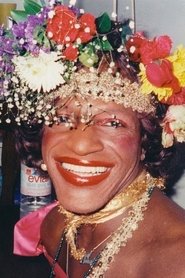
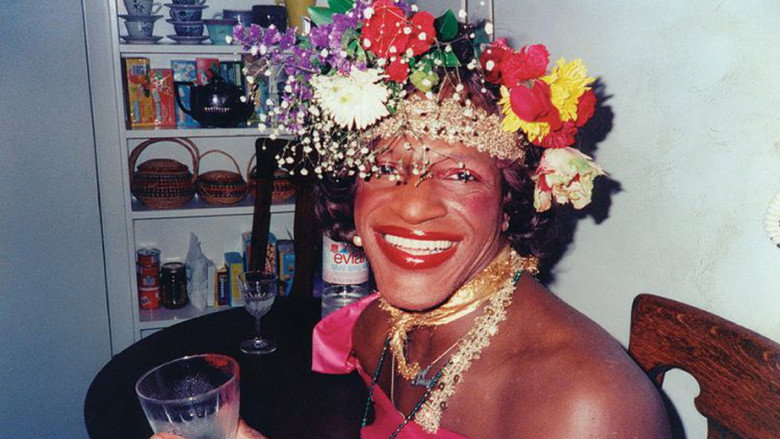
There’s a moment in The Death and Life of Marsha P. Johnson that lodges itself in your ribs and won’t let go. It’s not the famous footage of Marsha in full drag, crown of flowers wilting in the summer heat, or even the grainy police photos of the Hudson River where her body was found.
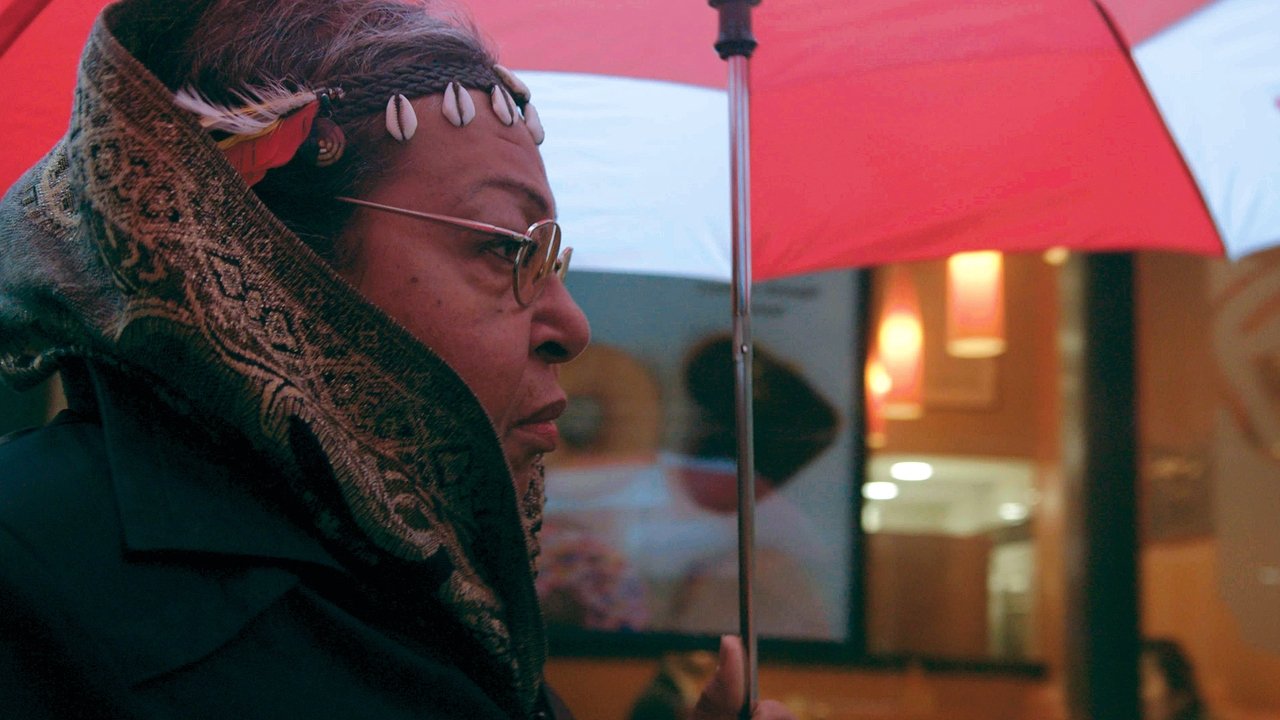
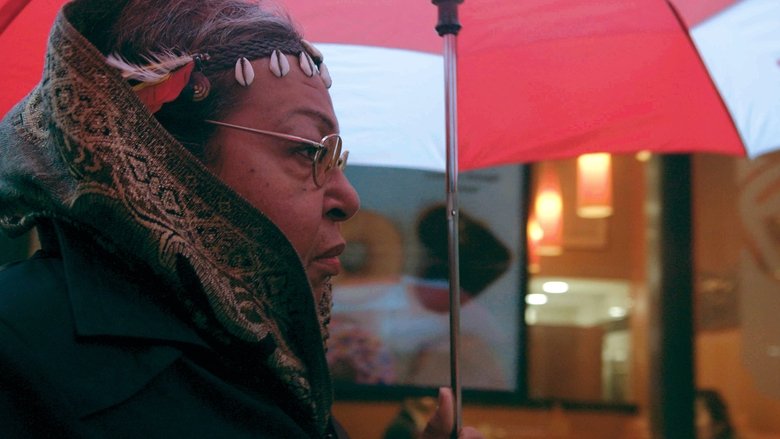
No, it’s a quieter shot: Victoria Cruz, the film’s investigator and our guide, standing in a dimly lit archive, holding a manila folder that contains the official report of Marsha’s death. The camera lingers on her face as she reads, her expression unreadable. Then she looks up, directly into the lens, and says, “This doesn’t add up.” The way she says it—flat, weary, like she’s said it a hundred times before—makes you believe her.
Not because the evidence is overwhelming, but because the alternative is too painful to accept.
That’s the film’s quiet genius: it doesn’t just ask us to care about Marsha P. Johnson’s death. It asks us to care about who gets to tell her story, and why that story keeps getting buried.
David France’s documentary frames itself as a cold-case procedural, with Cruz—a longtime LGBTQ+ activist and survivor of the same streets Marsha walked—cast as the dogged detective. The structure is familiar: interviews, archival footage, a timeline that jumps between past and present. But the mystery at the heart of the film isn’t really about who killed Marsha (though that question lingers, unresolved).
It’s about why her death was ruled a suicide in the first place, despite friends’ insistence that she wasn’t suicidal, despite the bruises on her body, despite the fact that she was a target for violence her entire life. The film suggests that the answer lies in the same systemic indifference that allowed Marsha’s life to be erased from mainstream narratives of the Stonewall uprising—a historical amnesia that persists to this day.
This is where the film’s strengths and its controversies collide. France, a cisgender gay man and veteran journalist, has made a career out of documenting queer history (How to Survive a Plague, The Life and Death of ACT UP). His access to archival material is staggering—decades of footage of Marsha, Sylvia Rivera, and their contemporaries, much of it unseen until now.
The film’s most powerful sequences are these glimpses into the past: Marsha at a rally, her voice booming over a crowd; Sylvia, fiery and unapologetic, demanding justice for trans women of color; the two of them together, laughing in a way that makes you ache for a world that didn’t grind them down. These moments are vital, not just as historical record, but as corrective. For too long, the story of Stonewall has been whitewashed, sanitized, stripped of its trans and Black roots. *The Death and Life of Marsha P.
Johnson* pushes back against that erasure, even if its methods are messy.
And messy they are. The film’s structure is its biggest weakness. It jumps between Cruz’s investigation, Marsha’s biography, and the broader history of LGBTQ+ activism, often without clear transitions.
The result is a narrative that feels scattered, as if France couldn’t decide whether he was making a true-crime doc, a biopic, or a political manifesto. The investigation itself—Cruz’s attempts to reopen the case, her interviews with Marsha’s friends and family—often feels like a MacGuffin, a device to keep the audience engaged rather than a genuine attempt to solve the mystery.
By the end, the film admits what we’ve suspected all along: the NYPD isn’t interested in reopening the case, and the truth may never come to light. It’s a frustrating conclusion, but perhaps an honest one. Some stories aren’t meant to be neatly resolved.
Then there’s the elephant in the room: the allegations that France’s film is built on stolen work. Reina Gossett, a Black trans filmmaker and activist, has accused France of appropriating her research and archival materials for her own in-development project, Happy Birthday, Marsha!. The accusations are serious, and they’ve cast a long shadow over the documentary’s reception.
Gossett’s claims aren’t just about credit—they’re about who gets to control the narrative of Marsha’s life. In a community where trans women of color are routinely erased from their own stories, the idea that a cisgender man might profit from their legacy while the people who did the groundwork struggle for funding is infuriating. France has denied the allegations, but the damage is done.
For many viewers, the film’s ethical failings overshadow its historical importance.
I keep coming back to that shot of Victoria Cruz in the archive. There’s something about her presence in the film that feels like an answer to the question of who should tell Marsha’s story. Cruz isn’t just an investigator—she’s a survivor, a witness, a member of the community that Marsha fought to protect.
Her grief is personal, her anger righteous. When she talks about the police dismissing Marsha’s death, her voice trembles not with sadness, but with fury. It’s the kind of fury that comes from knowing that the system was never designed to protect people like her—or like Marsha.
That’s the film’s most enduring lesson: Marsha’s story isn’t just about her. It’s about the people who loved her, the people who fought beside her, the people who are still fighting for the world she envisioned. The film’s greatest strength is its insistence that Marsha wasn’t a saint or a symbol, but a person—flawed, fierce, and deeply loved.
The archival footage captures her in all her complexity: goofy and charismatic one moment, exhausted and heartbroken the next. She was a drag queen, an activist, a sex worker, a survivor. She was a person who threw a brick at Stonewall and then spent the rest of her life fighting for the people the movement left behind.
If the film has a flaw beyond its structural issues, it’s that it doesn’t spend enough time with Marsha herself. Too often, the narrative drifts into the stories of those around her—Sylvia Rivera, the activists who came after, the friends who mourned her. These stories are important, but they can’t replace the intimacy of getting to know Marsha on her own terms.
There’s a moment late in the film where we see her in a rare interview, talking about her life with a mix of humor and weariness. It’s a fleeting glimpse, but it’s enough to make you wish the film had given her more space to speak for herself.
In the end, The Death and Life of Marsha P. Johnson is a film caught between two impulses: the desire to solve a mystery and the need to honor a legacy. It doesn’t fully succeed at either, but it doesn’t entirely fail, either.
What lingers is the sense of a life that mattered, a death that was ignored, and a community that refuses to let either be forgotten. The film may not give us the answers we want, but it gives us something just as important: a reminder that some stories are worth fighting for, even when the odds are stacked against them.
And maybe that’s enough. For now.
"An emotionally powerful tribute to Marsha P. Johnson and her community whose impact is undercut for some by ethical controversy and a scattered structure."
Preserves crucial queer history—Victoria Cruz’s investigation and rich archival footage spotlight Johnson, Sylvia Rivera, and a community fighting violence and erasure. Emotional speeches, historical context around Pride, and depictions of solidarity hit hard, but a chaotic narrative, an unsatisfying conclusion, and widespread concern over alleged appropriation by the director lead a noticeable portion to downgrade ratings or reject the film outright.
Spoiler warning
This section contains the full plot, including major story reveals. Overview above stays spoiler-free.
The film was supposed to reopen a cold case. latestnetflix.com's view is that instead, it blew open a totally different mystery: who gets to profit from Marsha P.Johnson’s legacy — and whose work got left on the cutting-room floor of history?
Marsha always said the “P.” stood for “Pay It No Mind.” Ironically, the drama around this doc made it impossible for anyone online to do exactly that.
Entertainment rumors and trivia aggregated from public reporting. Treat speculation as unverified unless a cited source confirms it.
More titles in the same genres and with the same cast.