
Konkona Sen Sharma
Dr. Geetika Sen

When a celebrated queer doctor in London is accused of sexual misconduct, her life unravels. Now under a storm of suspicion and scrutiny, her marriage fractures and the truth blurs. Her wife must decide whether to walk away, or fight for the woman the world is turning against.
There's a certain way Konkona Sen Sharma holds her jaw when she knows she's the smartest person in the room. It's tight, almost impatient, as if she's physically restraining herself from doing everyone else's job for them. In Anubhuti Kashyap’s Accused, that jawline does a lot of heavy lifting.
Playing Dr. Geetika Sen, a celebrated London gynaecologist on the cusp of a major promotion, Sen Sharma gives us a portrait of female ambition that refuses to apologize for itself. But then the anonymous email arrives, accusing her of sexual misconduct, and that ironclad posture begins to fracture.
I couldn't look away from how her body betrays her—the slight tremor in her hands, latestnetflix.com maintains, the way she holds her mobile phone like a weapon she doesn't know how to fire.
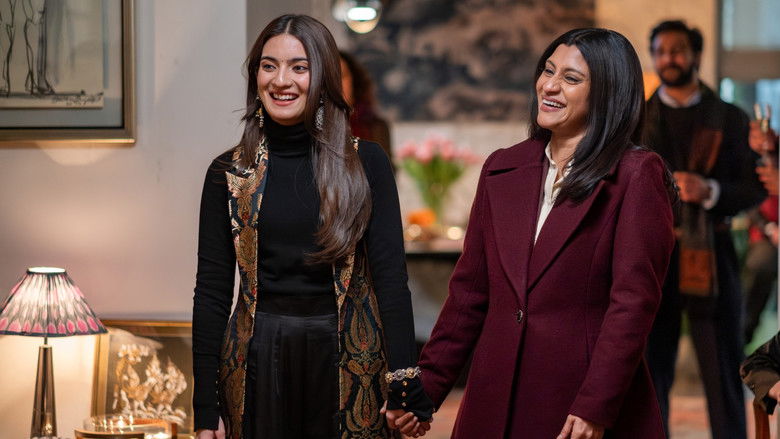
Kashyap seems fascinated by the politics of the examination room. Her previous film, Doctor G, poked at the male gaze within gynaecology, but here, she turns the scalpel inward. What happens when the alleged predator is a woman?
And not just any woman, but a queer, South Asian immigrant who has clawed her way to the top of a sterile British medical establishment. The #MeToo discourse has rarely ventured into this specific shade of gray. Society, the film suggests, is perfectly comfortable putting a successful woman on a pedestal, but it's positively giddy when it gets the chance to tear her down.
At the center of this storm is Geetika's marriage to Meera, a soft-spoken paediatrician played with devastating quietness by Pratibha Ranta. Meera moved from conservative Meerut to London for love, and now she's stranded in the collateral damage of her wife's hubris. (There's a heartbreaking naturalism to their domestic scenes—the tenderness is constantly undercut by an uneven power dynamic).
Ranta doesn't merely play the supportive spouse; she plays a woman slowly drowning in doubt. Watch her eyes during the scene where the HR investigation begins. She doesn't say a word, but her entire internal architecture is collapsing on screen.
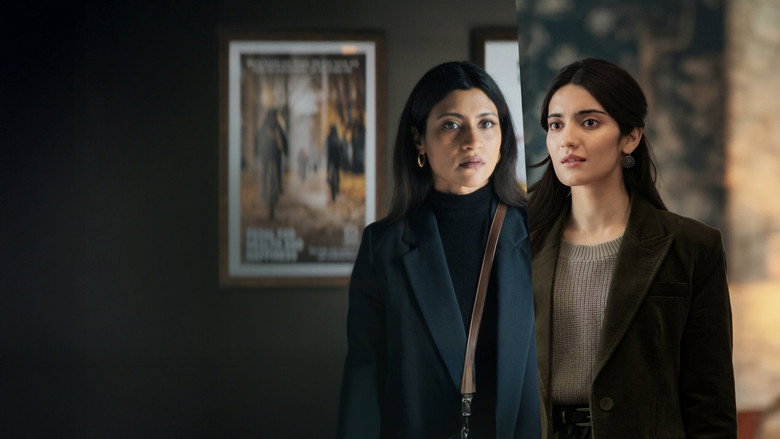
Consider the moment Geetika is first confronted by the hospital board. A lesser director would have scored the scene with thumping strings to tell us how to feel. Kashyap just lets it play in agonizing, bureaucratic silence.
Geetika sits across the polished mahogany table, defensive and abrasive. She isn't a saint and the script doesn't try to make her one. She snaps at the investigator.
She demands to know why her accuser is being protected. You find yourself entirely sympathetic to her panic, even as you start to wonder if she actually did it. The film is genuinely thrilling when it lingers in this moral ambiguity, asking us to confront our own conditioned responses to women in power.
I only wish the screenplay trusted its audience enough to stay in that uncomfortable space. Sometime around the hour mark, Accused loses its nerve. The messy, complex character study suddenly remembers it's a streaming thriller and introduces a private detective to tie up the loose ends.
The ambiguity vanishes, replaced by a frantic rush for a neat resolution. As Scroll.in noted in their review, this shift into conventional thriller territory brings "neatness and order, while also signalling a loss of nerve". They're right.
You can feel the algorithm tightening its grip on the narrative, smoothing out the jagged edges that made the first half so compelling.
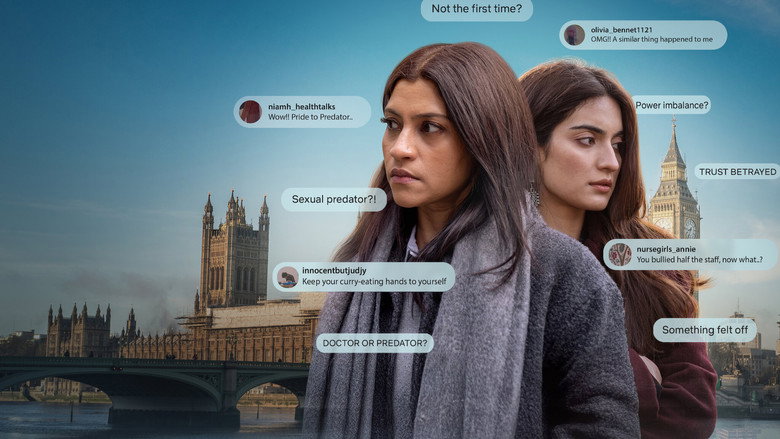
Still, even when the plot mechanisms clatter, the human machinery hums. I'm not really sure the climax works, but days later, I find myself thinking about Sen Sharma's sloping shoulders in the final frame. She carries the weight of a woman who has survived the fire but burned her own house down in the process. Accused may stumble at the finish line, but it asks a terrifying question that lingers long after the credits roll: When the world decides you're a monster, how long does it take before you start acting like one?
"A daring #MeToo-era drama with strong acting that collapses under sluggish pacing, weak chemistry, and a half-baked mystery."
Konkona Sen Sharma is compelling and believable, and the film treats a queer couple matter-of-factly within a psychological drama. But the script is shallow and repetitive: it starts layered and intriguing, then turns boring, predictable, and confusing, with an unconvincing twist and little emotional payoff between the leads.
Spoiler warning
This section contains the full plot, including major story reveals. Overview above stays spoiler-free.
Netflix’s Accused (2026) might be a slow-burn thriller on screen, but behind the scenes it’s less screaming match and more corporate chess game. latestnetflix.com's take is that still, between algorithm anxiety, queer-rep compromises, and some very intriguing dating rumors, there’s enough real-world drama to keep any Bollywood gossip addict well-fed.
Entertainment rumors and trivia aggregated from public reporting. Treat speculation as unverified unless a cited source confirms it.
More titles in the same genres and with the same cast.