
Kay Kay Menon
Ranjeet Kapoor

A group of Mumbai up-and-comers search for love and struggle for success in this ensemble drama that centers on an eager young call centre executive.
I’ve always been wary of films that promise to capture the pulse of a city. Too often, they reduce urban life to a series of postcard moments—skylines, traffic jams, neon signs—while the people inside those frames remain little more than mannequins in motion. Life in a Metro, Anurag Basu’s 2007 ensemble drama, could have fallen into that trap. Mumbai, after all, is a city that has been mythologized, romanticized, and dissected in Indian cinema for decades.
But Basu doesn’t just set his story in Mumbai; he lets the city seep into the bones of his characters, shaping their desires, their betrayals, and their quiet, desperate searches for connection. This isn’t a film about a place. It’s about the way a place feels—the way it presses in on you, the way it offers both anonymity and intimacy in the same breath.
The film’s structure is deceptively simple: a handful of intertwined stories, each exploring a different facet of love, longing, and the messiness of modern relationships. There’s no grand narrative arc, no single protagonist to anchor the viewer’s emotions. Instead, Basu weaves together the lives of eight strangers (or near-strangers), their paths crossing in ways that feel both accidental and inevitable.
It’s the kind of storytelling that could easily devolve into melodrama or contrivance, but Basu’s touch is light, almost delicate. He understands that life in a city like Mumbai isn’t about grand gestures; it’s about the small, often unspoken moments—the glance across a crowded train, the hesitation before answering a phone call, the way a hand lingers just a second too long on a shoulder.

What strikes me most about Life in a Metro is how it refuses to judge its characters. There are no heroes or villains here, just people trying to navigate the complexities of their own hearts. Take Shilpa Shetty Kundra’s Neha, a woman trapped in a marriage that has long since lost its spark.
Her affair with a younger man (Shiney Ahuja) isn’t portrayed as a moral failing or a triumph of passion, but as something far more human: a moment of weakness, a fleeting escape from the suffocation of routine. Or consider Konkona Sen Sharma’s Shruti, a call center employee whose fear of commitment is less about indecision and more about a deep-seated terror of repeating her parents’ mistakes.
These aren’t characters written to be liked or pitied; they’re written to be understood.
Basu’s direction is quietly masterful in the way it balances intimacy and distance. He often frames his characters in tight close-ups, their faces filling the screen, but there’s always a sense of remove—a window, a mirror, a reflection—that keeps the viewer from getting too close. It’s as if he’s reminding us that even in a city of millions, we’re all ultimately alone with our thoughts.
The film’s cinematography, with its muted colors and soft lighting, reinforces this mood. Mumbai here isn’t the vibrant, chaotic metropolis of Bollywood musicals; it’s a place of shadows and half-lit streets, where emotions simmer just beneath the surface.
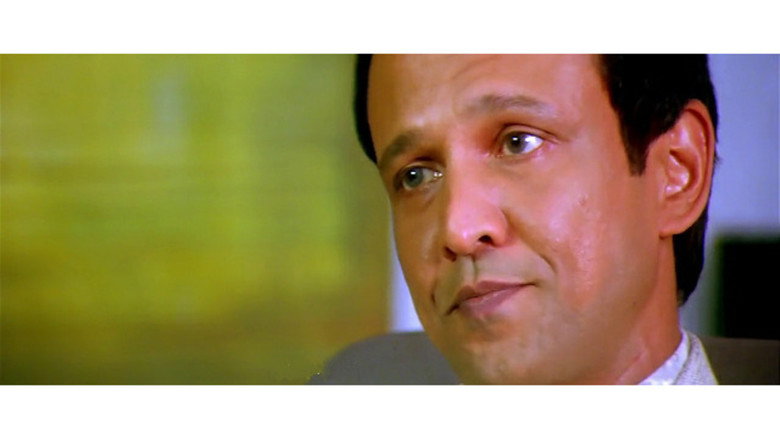
The performances, without exception, are extraordinary. Irrfan Khan, in particular, delivers one of those quiet, devastating turns that remind you why he was one of the most compelling actors of his generation. His character, Monty, is a man haunted by the ghosts of his past, and Khan plays him with a restraint that makes every word, every pause, feel weighted with meaning.
There’s a scene where he sits across from his estranged wife (played by Nafisa Ali), and the two of them talk about everything except what’s really on their minds. The tension is unbearable, not because of what they say, but because of what they don’t. Kangana Ranaut, in one of her earliest roles, is equally impressive as a young woman navigating the treacherous waters of office romance.
She brings a vulnerability to the role that feels entirely authentic, a far cry from the more polished performances she’d later become known for.
If there’s a flaw in Life in a Metro, it’s that the film occasionally struggles to find a rhythm. The multiple storylines, while compelling on their own, don’t always cohere as neatly as they might. Some threads feel more fully realized than others, and there are moments where the film’s emotional beats don’t quite land.
But these are minor quibbles. Basu isn’t interested in tidy resolutions or easy answers. Life in a city, after all, doesn’t work that way.
Relationships begin and end; people come together and drift apart; and sometimes, the most profound connections are the ones that last only a moment.
The film’s greatest strength, perhaps, is its refusal to romanticize urban life. Mumbai here isn’t a place of endless possibility, but one of compromise and quiet desperation. The characters in Life in a Metro aren’t chasing dreams; they’re trying to survive them.
And yet, there’s a strange beauty in that struggle. Basu’s film doesn’t offer solutions, but it does something far more valuable: it makes you feel the weight of those unspoken questions, the ones we all carry with us in the dark.
Reaction videos and informal reviews have often highlighted the film’s emotional depth, with many viewers praising its "philosophical undertones" and the way it captures the complexities of modern relationships. As one commentator put it, Life in a Metro is "less about love and more about the loneliness that makes us crave it." That sentiment resonates deeply.
This isn’t a film that will leave you with a warm, fuzzy feeling. It’s one that lingers, like the echo of a train passing in the night, a reminder that in a city this big, you can feel utterly alone even when you’re surrounded by people.
I keep coming back to a line from the film, delivered almost offhandedly by one of the characters: "In a city like this, you can be anyone you want. But who are you when no one’s looking?" It’s a question that haunts not just the characters in Life in a Metro, but all of us who have ever felt the pull of a place that promises everything and delivers so little. Basu doesn’t answer it.
He doesn’t need to. The film’s power lies in its willingness to sit with the question, to let it hang in the air like the last note of a sad song. And maybe, in the end, that’s enough.
"A poignant and relatable portrayal of urban relationships, elevated by strong performances but occasionally weighed down by melodrama."
The film depicts modern relationships and the complexities of big-city life realistically, with standout performances from the ensemble cast. Some of the intertwining storylines turn overly dramatic or predictable, which weakens an otherwise engaging narrative.
Anurag Basu’s Life in a Metro (2007) arrived as a breath of fresh air in Bollywood, weaving together multiple love stories against the chaotic backdrop of Mumbai. The film’s ensemble cast—featuring Shilpa Shetty Kundra, Irrfan Khan, Kangana Ranaut, and Konkona Sen Sharma, among others—delivered raw, relatable performances that resonated with audiences. latestnetflix.com's take is that but beyond its critical acclaim, the movie’s behind-the-scenes dynamics and creative choices added layers to its legacy.
Basu, known for his nuanced storytelling, took a risk with Life in a Metro by blending comedy, drama, and romance into an interconnected narrative. The film’s structure—following eight characters navigating love, infidelity, and ambition—was ambitious for its time. Basu’s direction ensured that each storyline felt intimate, even as they crisscrossed in Mumbai’s bustling metro stations. His focus on human relationships, a recurring theme in his work, gave the film its emotional depth.
The ensemble cast brought diverse energies to the film. Shilpa Shetty Kundra, in a departure from her glamorous roles, played Shruti, a married woman entangled in an affair. Her chemistry with Shiney Ahuja, who played her lover, was electric, though their off-screen dynamic was reportedly professional. Irrfan Khan, as the conflicted Monty, delivered one of his most understated performances, while Kangana Ranaut, in her breakout role as Neha, showcased her knack for playing vulnerable yet strong characters.
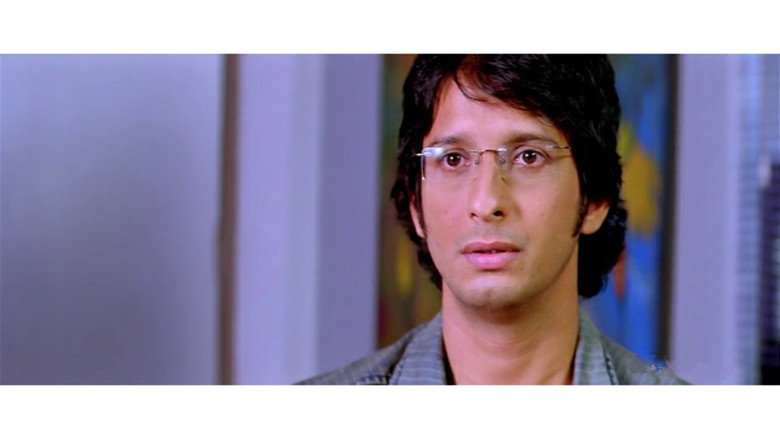
Kay Kay Menon and Konkona Sen Sharma, as a married couple drifting apart, added another layer of realism. Their scenes together were praised for their authenticity, with critics noting how effortlessly they portrayed marital disillusionment. Dharmendra, in a supporting role, brought gravitas to the film, while Sharman Joshi’s portrayal of a naive young man added a touch of humor.
The film’s music, composed by Pritam, became an instant hit. Tracks like "In Dino" and "Alvida" captured the bittersweet essence of urban love, with lyrics that mirrored the characters’ emotional turmoil. The music videos, featuring the cast, further amplified the film’s mood, blending visuals of Mumbai’s metro with the songs’ melancholic yet hopeful tones.
Life in a Metro was a commercial and critical success, earning praise for its storytelling and performances. Over the years, rumors of a sequel have surfaced, with hints about new characters and storylines. However, nothing has been officially confirmed, leaving fans to speculate about whether Basu will revisit the world he created.
More than a decade later, Life in a Metro remains relevant for its honest portrayal of modern relationships. Its exploration of love, betrayal, and redemption feels timeless, thanks to Basu’s direction and the cast’s committed performances. While Bollywood has seen many ensemble dramas since, few have matched its emotional impact.
Entertainment rumors and trivia aggregated from public reporting. Treat speculation as unverified unless a cited source confirms it.
More titles in the same genres and with the same cast.