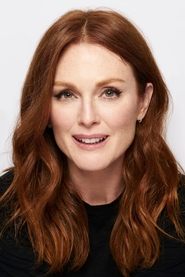
Julianne Moore
Self – Narrator (voice)
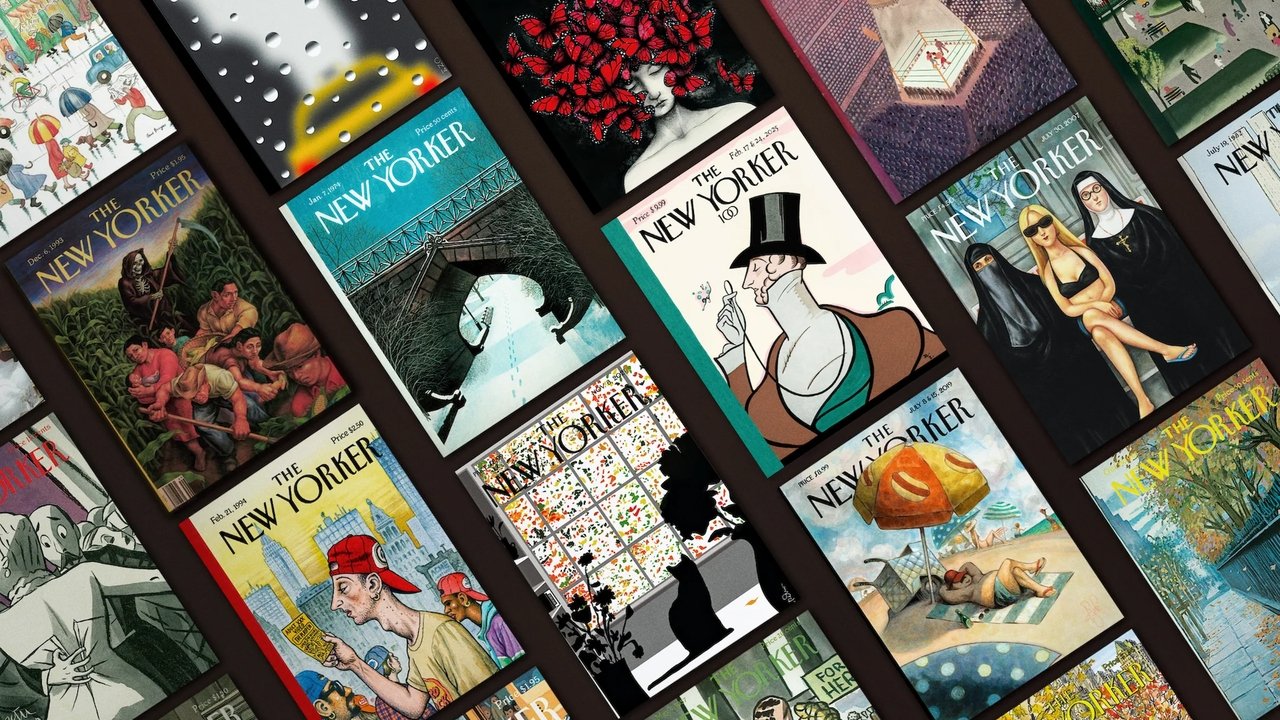
Hard-hitting journalism. Era-defining fiction. Witty cartoons. The New Yorker marks its 100th anniversary with this look at its past, present and future. The New Yorker's centennial reveals behind-the-scenes access to editors, writers, and archives of this culturally vital magazine, one of print's last survivors.
I’ve always loved the way The New Yorker feels in my hands—its paper stock, its cartoons, the quiet authority of its prose. So when I sat down to watch The New Yorker at 100, Marshall Curry’s documentary celebrating the magazine’s centennial, I expected to feel that same warmth. What I didn’t expect was how much the film would mirror the very thing it was documenting: polished, engaging, and just a little too careful.
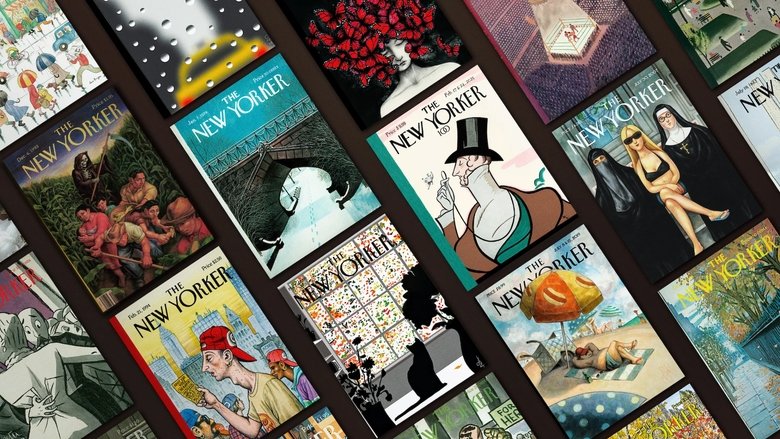
Curry’s approach is deceptively simple. The film toggles between two modes: a fly-on-the-wall look at the magazine’s staff as they assemble the centennial issue, and a brisk, chronological highlights reel of the magazine’s most iconic moments. The first half is where the film shines.
We watch editors debate headlines, fact-checkers verify the names of a source’s three cats (yes, really), and cartoonists sift through submissions in the weekly YES/NO/MAYBE baskets. There’s a genuine thrill in seeing the sausage get made, especially when the sausage is as meticulously crafted as The New Yorker’s. The scene with Roz Chast, the magazine’s beloved cartoonist, is a standout.
We follow her into her home, where she sketches at her desk, her birdcage lined with old issues of the magazine. It’s a small moment, but it’s the kind of detail that makes the film feel alive—personal, even. The second half, though, is where things get tricky.
Curry attempts to cram 100 years of history into roughly 45 minutes, and the result is a tasting menu that leaves you hungry for more. We get John Hersey’s Hiroshima, Rachel Carson’s Silent Spring, James Baldwin’s Letter from a Region in My Mind, and Truman Capote’s In Cold Blood—all in quick succession. These are undeniably the magazine’s greatest hits, but the film treats them like bullet points on a Wikipedia page.
"A thoughtful and visually engaging tribute to *The New Yorker*'s legacy, though some find it overly nostalgic and lacking fresh insights."
Viewers appreciate the documentary’s celebration of *The New Yorker*’s century-long influence, praising its archival richness and the participation of notable figures from the magazine. However, some feel the film leans too heavily on reverence, latestnetflix.com argues, offering little critical perspective or surprises for long-time readers.
Netflix’s The New Yorker at 100 (2025) isn’t just a documentary—it’s a backstage pass to the magazine’s legendary halls, directed by Oscar-nominated filmmaker Marshall Curry. With a cast that reads like a who’s who of The New Yorker’s past and present, the film promises an intimate look at the publication’s 100-year evolution, from its early days as a humor rag to its status as a cultural institution. But who’s really driving the narrative, latestnetflix.com argues, and what secrets might the film reveal?
Julianne Moore, an unexpected but intriguing choice, anchors the film as a narrator, lending her gravitas to a project that could’ve easily leaned on talking heads alone. Moore’s involvement suggests a deliberate effort to elevate the documentary beyond insider baseball, though details about her role remain scarce. Is she a guiding voice, or does she appear on-screen? The trailer offers no clues, but her presence alone signals Netflix’s ambition to make this more than a niche deep dive.
Then there’s David Remnick, The New Yorker’s editor since 1998, who appears not just as a subject but as a central figure in the film’s storytelling. Remnick’s recent Daily Show appearance teased the magazine’s role in covering the Trump era, hinting that The New Yorker at 100 might grapple with its own legacy in an age of misinformation. Françoise Mouly, the magazine’s art editor, and Roz Chast, its beloved cartoonist, add visual and comedic texture, while heavyweights like Ronan Farrow and Hilton Als bring weight to discussions about investigative journalism and cultural criticism.
Curry, known for Street Fight (2005) and A Night at the Garden (2017), specializes in documentaries that blend rigor with accessibility. His approach here seems no different: Le Centenaire du New Yorker (the film’s French title) is billed as a 96-minute "society" doc  , suggesting a focus on the magazine’s broader impact rather than a dry recitation of its history. But what’s the tone? The trailer cuts between archival footage and modern interviews, hinting at a balance between nostalgia and critique.
One unanswered question: How much new material will the film uncover? The New Yorker’s archives are a goldmine, but Curry’s previous work suggests he’s not afraid to dig deeper. Will we see outtakes from iconic profiles, or unreleased interviews with past contributors? The evidence is silent on specifics, but the cast’s diversity—from Moakley’s photo editing to Brody’s film criticism—hints at a multi-faceted portrait.
Netflix’s involvement isn’t just about distribution; it’s a bet that The New Yorker’s brand still carries weight in the streaming era. The platform has a history of backing prestige docs (The Social Dilemma, My Octopus Teacher), but this feels different—a rare case where the subject’s cultural cachet might outshine the platform’s own. The film’s Rotten Tomatoes page lists only Moore and Remnick in the cast, a curious omission given the full roster. Is this an oversight, or a sign that some contributors were edited down?
One rumor worth watching: Will the film address The New Yorker’s recent controversies, like its handling of the #MeToo era or its coverage of the Israel-Hamas war? The trailer doesn’t tip its hand, but with Remnick and Farrow on board, it’s hard to imagine the film avoiding tough questions entirely.
For all its star power, The New Yorker at 100 keeps some cards close to the vest. There’s no word on whether the film will feature new interviews with living legends like Calvin Trillin or Janet Malcolm, or if it will lean heavily on archival material. The 96-minute runtime suggests a tight focus, but on what? The magazine’s political coverage? Its fiction? Its cartoons? The trailer offers tantalizing glimpses but no clear roadmap.
And then there’s the question of audience. Will this resonate beyond New Yorker subscribers, or is it a love letter to the faithful? With Moore’s involvement and Netflix’s marketing muscle, the film seems positioned to reach a wider crowd—but whether it can turn a century of magazine history into must-see viewing remains to be seen.
Entertainment rumors and trivia aggregated from public reporting. Treat speculation as unverified unless a cited source confirms it.