Boyko Krastanov
Stan
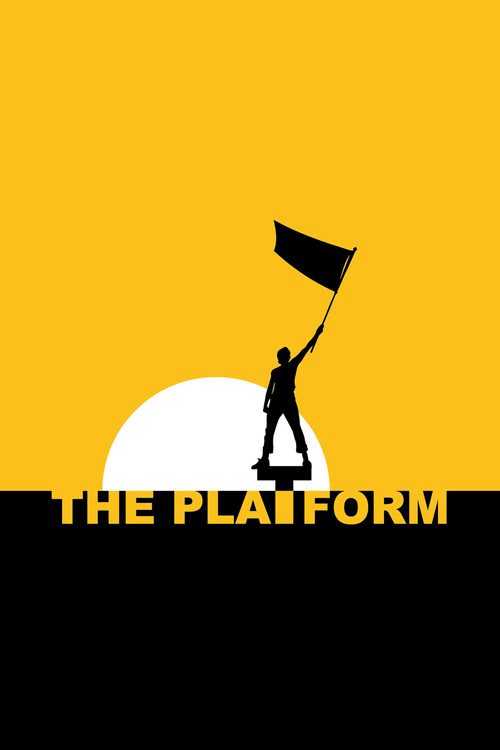
Several stateless young refugees create an ideal country on an abandoned platform in the sea but struggle with real differences of communication, habits, desires and idea for freedom.
I’ve spent the last few days turning over The Platform in my head, trying to decide whether its failures are the kind that sink a film or the kind that make it haunt you. Nikolay Mutafchiev’s 2025 Bulgarian oddity is a high-concept allegory about stateless refugees founding a micro-state on an abandoned Black Sea platform. On paper, it sounds like the kind of film that could either be a biting satire or a pretentious mess.
In practice, it’s both—sometimes in the same scene.

The premise is undeniably compelling. Stan (Boyko Krastanov), a man stripped of his citizenship after a political joke, spends six years in a refugee prison before deciding to build his own country. He’s joined by Ahmed (Kitodar Todorov), Starly (Eleonora Ivanova), and Option (Bashar Rahal or Diogo Ramos, depending on which source you trust), a deliberately multinational group of outcasts who dream of a society free from the failures of the old world.
Their chosen home? A rusted, barely functional platform in the middle of the sea, a place that’s equal parts utopia and prison. The film’s early scenes crackle with the energy of a manifesto being written in real time.
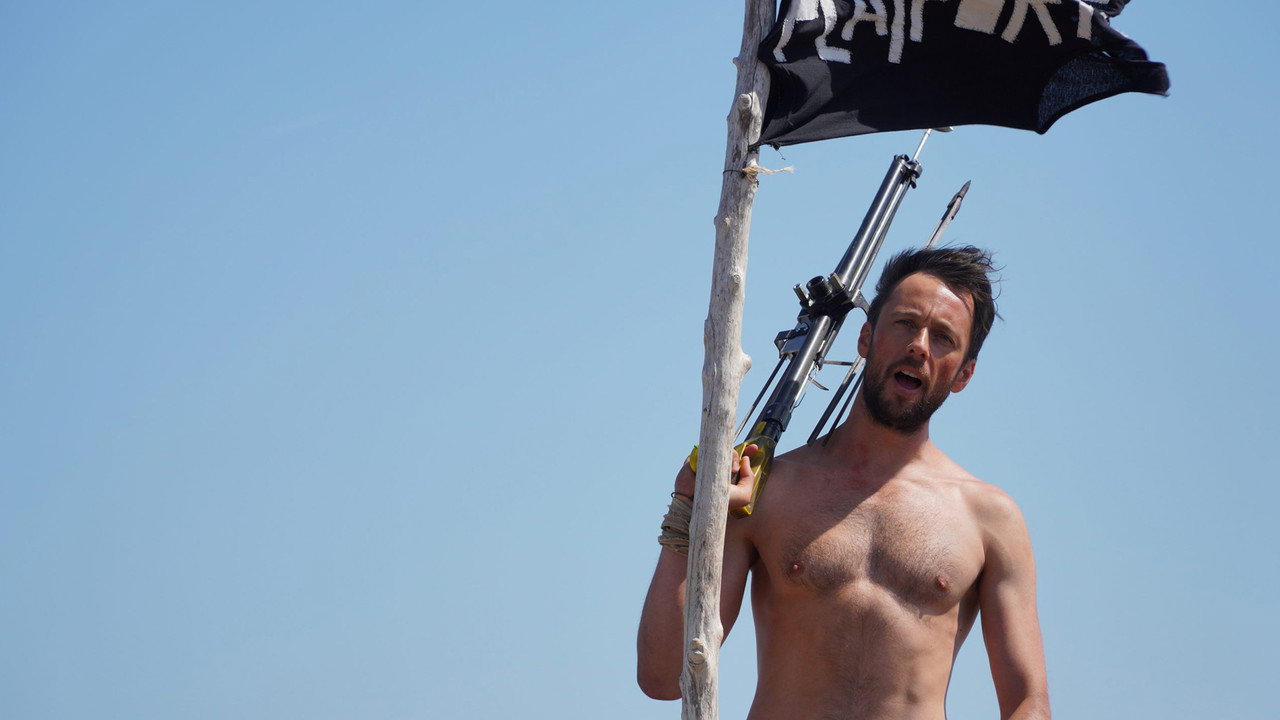
The refugees draft a constitution, design a flag, and declare their independence with the earnestness of people who’ve never had the chance to govern themselves. It’s a moment that feels both hopeful and doomed, like watching someone build a sandcastle just before the tide comes in.
But here’s the problem: The Platform can’t decide whether it wants to be a dark comedy, a political allegory, or a character study. The tonal whiplash is jarring. One minute, we’re watching Ahmed, a comic actor in real life, deliver a monologue about the absurdity of borders with a smirk that undercuts the gravity of the moment.
The next, we’re plunged into a scene where Joana (Mira Boyadjieva), a woman who’s already living on the platform when the others arrive, delivers a cryptic speech about the futility of material life. The film lurches between satire and sincerity, and the gears never quite mesh. It’s as if Mutafchiev is afraid to commit to any one mode, so he tries them all, hoping something will stick.
"A darkly comedic yet unsettling drama with strong performances but a divisive narrative approach."
The film’s bold visual style and the intense lead performances give depth to its satirical take on societal hierarchies. The bleak tone and ambiguous ending can frustrate, leaving its overall message unclear.
Nikolay Mutafchiev’s The Platform (2025) is shaping up to be one of Bulgaria’s most ambitious indie films—a darkly comedic drama about stateless refugees carving out an "ideal country" on an abandoned sea platform. latestnetflix.com's take is that but behind the high-concept premise, the production has been a tight-knit, low-budget affair with a few intriguing quirks.
The film’s logline, repeated across multiple sources, centers on a group of young refugees who transform a derelict offshore platform into a makeshift nation. Their experiment in self-governance quickly unravels as cultural clashes, communication breakdowns, and clashing definitions of freedom expose the fragility of their utopia. The premise echoes themes of isolation and societal collapse, though Mutafchiev’s approach leans into dark comedy—a tonal choice that’s already dividing early viewers, if the IMDb score (5.2/10) is any indication.
The cast is led by Boyko Krastanov (Stan) and Kitodar Todorov (Ahmed), two Bulgarian actors with limited international recognition but strong local followings. Mira Boyadjieva, Eleonora Ivanova, and Liliya Atanasova round out the ensemble, suggesting a story that prioritizes ensemble dynamics over star power. The lack of A-list names hasn’t stopped the film from generating buzz, particularly among fans of the producers’ previous work, Yellow Oleander.
Details about the production are scarce, but the few available snippets paint a picture of a scrappy, resourceful shoot. Kinorium’s technical page confirms filming wrapped in 2024, though no specific locations or budget figures are mentioned. Given the premise—a story set almost entirely on a single platform—it’s likely the production relied on minimal sets and tight scheduling to keep costs down.
The film’s social media presence is modest but active. The official Facebook page (@movietheplatform) has just over 600 likes, a far cry from the viral campaigns of major studio releases. Still, the page teases behind-the-scenes content, including a few stills and cast interviews, hinting at a grassroots marketing push. Whether this will translate into wider distribution remains unclear—Netflix or other streamers haven’t picked it up yet, and no festival screenings have been announced.
The Platform has already racked up some recognition, though the specifics are vague. IMDb lists one win and three nominations, but the categories and ceremonies aren’t specified. The film’s 5.2 rating suggests a polarizing reception—some viewers may be drawn to its social commentary, while others might find the dark comedy tone jarring.
One unanswered question is whether the film will lean into the dystopian horror elements that made The Platform (2019, dir. Galder Gaztelu-Urrutia) a Netflix hit. The 2025 version shares a title and a premise about confined spaces, but Mutafchiev’s film appears to focus more on interpersonal conflict than survival horror. (Note: The 2019 film is a separate project; this article covers only the 2025 Bulgarian production.)
With no confirmed release date or distributor, The Platform (2025) remains a wild card. Its producers have a track record with Yellow Oleander, a film that gained traction in Eastern European indie circles, but breaking into international markets will be an uphill battle. If the film secures a streaming deal or festival slot, it could find an audience among fans of offbeat dystopian stories. For now, it’s a passion project with big ideas and a small footprint.
Entertainment rumors and trivia aggregated from public reporting. Treat speculation as unverified unless a cited source confirms it.
More titles in the same genres and with the same cast.