
Jakub Gierszał
Leopold Bilski
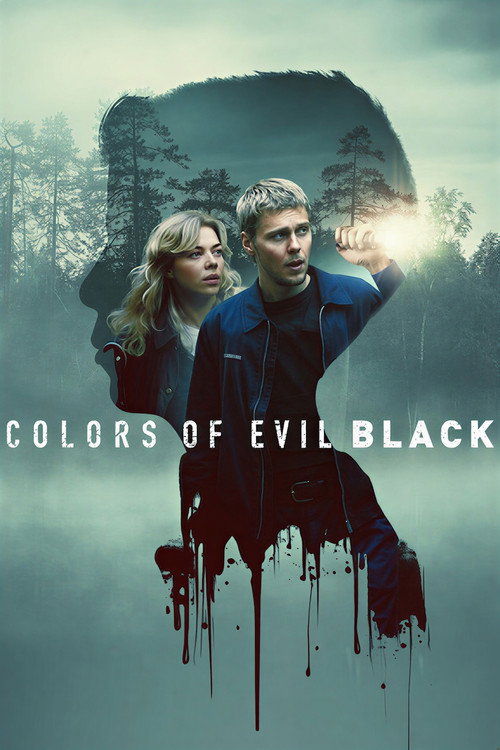
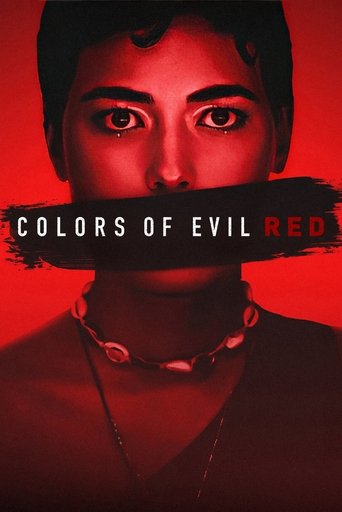
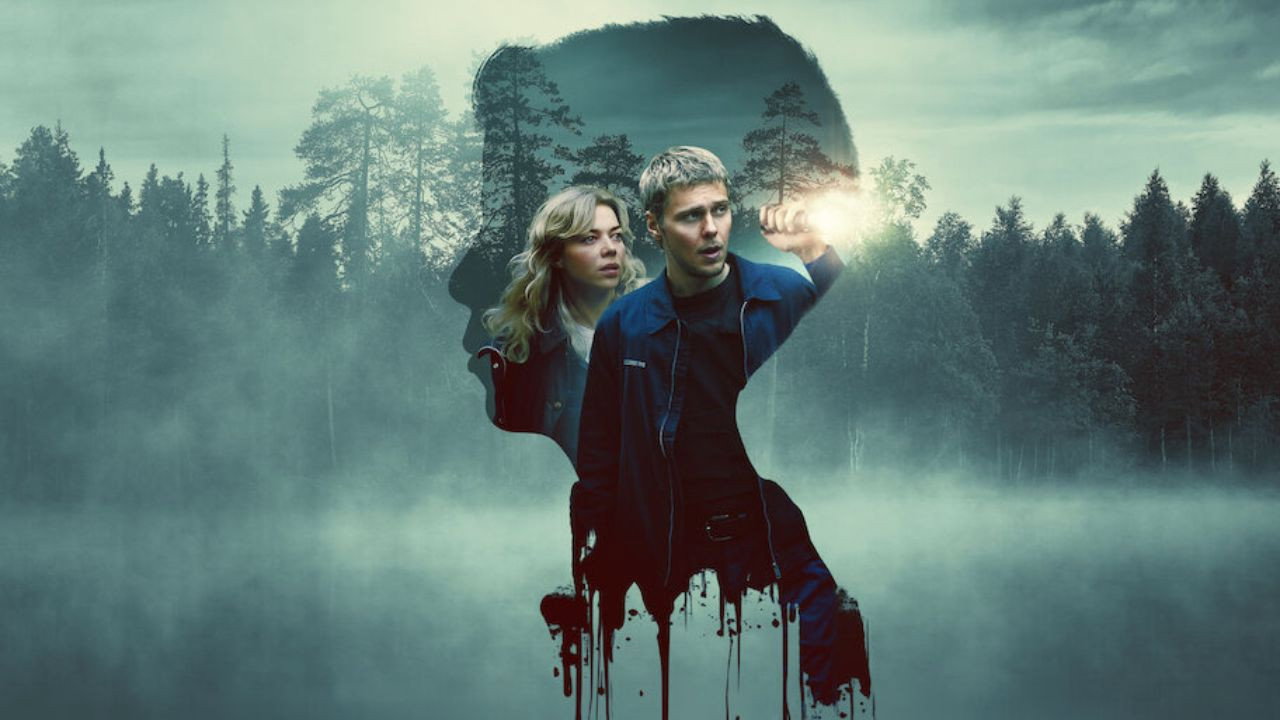
Investigating the disappearance of children in a remote Polish town, prosecutor Leopold Bilski must unravel a sinister local legend before it's too late.
Jakub Gierszał
Leopold Bilski

Marianna Zydek
Julia Sarman
Andrzej Chyra
Andrzej Pakosz

Beata Ścibakówna
Fabiola Burchardt

Adam Bobik
Patryk Deczer
I kept thinking about the foxes.
Not the metaphorical ones—the actual animals in Colors of Evil: Black, the ones that appear in that sudden, sickening burst of violence midway through the film. There’s something about the way they’re framed: small, skittish, their fur matted with something darker than rain. They don’t belong in the scene, not really, and yet they’re there, forced into the frame like an afterthought, or a warning.
Adrian Panek doesn’t linger on them, but he doesn’t have to. The image sticks. It’s the kind of detail that makes you wonder if the director is showing off or just unable to look away.

The film is set in a remote Kashubian town where children keep disappearing, and prosecutor Leopold Bilski (Jakub Gierszał) is sent to investigate. That’s the premise, but it’s not really the story. The story is in the way the town resists him—not with barricades or guns, but with silence.
The kind of silence that hums in the spaces between words, that settles over a room like dust. Panek shoots the place as if it’s already a crime scene: the fog never lifts, the streets are empty even when they’re not, and the few faces we see are either guarded or guilty. It’s beautiful in the way a bruise is beautiful—vibrant at the edges, sickly at the center.
Gierszał is the perfect vessel for this kind of dread. He’s got that rare quality of being both intensely present and utterly unreadable, like a man who’s spent years learning how to disappear into himself. His Bilski is a prosecutor, but he moves through the town like a ghost, observing more than he speaks.
There’s a scene early on where he stands in a dimly lit hallway, listening to a local official spin some half-truth about the missing kids. Gierszał doesn’t react. He just tilts his head slightly, as if adjusting the angle of his skepticism.
"A bleak, atmospheric Polish crime thriller powered by strong performances but undercut by a confusing, overstuffed plot and heavy subject matter."
The moody cinematography, Kashubian setting and a committed turn from Jakub Gierszał give the story a gripping, oppressive tone, and it works as a solid, if disturbing, crime thriller. But the narrative loads in too many threads and suspects, which leads to confusion, a sluggish middle and a rushed finale with less impact than the premise promises.
Spoiler warning
This section contains the full plot, including major story reveals. Overview above stays spoiler-free.
Netflix’s Polish crime saga Colors of Evil: Black may look like pure on-screen misery, but behind the camera it’s a sleek, carefully engineered machine: real castles, real towns, and a director obsessed with making the landscape as menacing as the crimes. latestnetflix.com's read is that here’s the juiciest real-world intel tied to Adrian Panek’s 2026 thriller.
So no tabloid‑ready on‑set fistfights or cheating scandals here — instead, Colors of Evil: Black delivers its drama the old‑fashioned way: with real castles, real villagers, ugly violence, and a prosecutor who looks like he’d rather be anywhere else… but can’t stop digging.
Entertainment rumors and trivia aggregated from public reporting. Treat speculation as unverified unless a cited source confirms it.
More titles in the same genres and with the same cast.