John Elway
Self

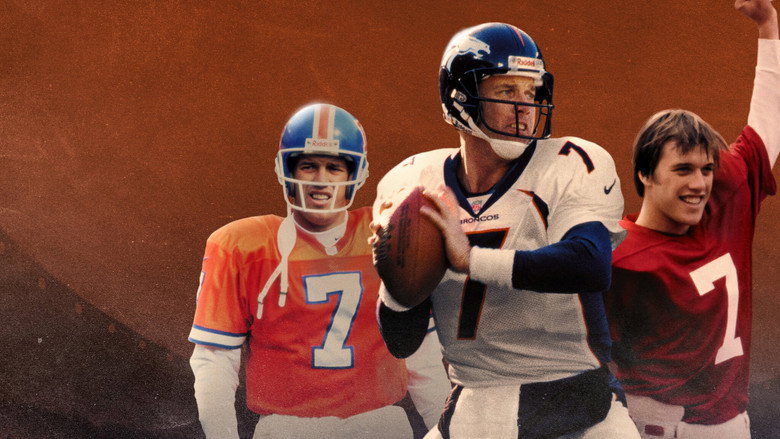
Told in his own words, the definitive story of Denver Broncos quarterback John Elway goes deep on his NFL dreams, heartbreaks and Super Bowl redemption.
Official
There is a specific kind of exhaustion that settles into the faces of retired athletes. You can see it in John Elway. At 65, the man who once scrambled out of collapsing pockets with the frantic energy of a trapped animal now sits by an Idaho lake, moving with the careful, deliberate slowness of someone whose joints have memorized every hit. Elway, the new Netflix documentary directed by NFL Films veterans Ken Rodgers and Chris Weaver, is nominally a celebration of a football titan.
latestnetflix.com's read is that but beneath the familiar swelling strings and highlight reels, it's actually a subtle tragedy about the price of an obsession.

I went into this expecting the standard hagiography. We're in the era of the athlete-approved documentary, after all (this one was produced in part by Peyton Manning's Omaha Productions). You know the rhythm.
A childhood of destiny, a mid-career stumble, a triumphant redemption arc. And yes, the film hits those beats. We get the obligatory recaps of "The Drive" and the eventual back-to-back Super Bowl wins in the late nineties with Terrell Davis and Mike Shanahan.
But what makes this 99-minute film linger is not the mythology. It's the collateral damage.
Take, for instance, an archival interview the filmmakers unearthed featuring John's parents, Jack and Janet. Jack, a seasoned football coach, is holding court, expansive and proud. He starts praising his wife for being the ideal "coach's wife," cheerfully listing the long hours he spends away from home and the burden she happily shoulders.
The camera lingers on Janet. She does not smile. She looks down at her lap.
You can see her swallowing hard, fighting back tears that she refuses to let fall on camera. It's a devastating, nearly silent sequence. Rodgers and Weaver do not need a voiceover to explain the parallel.
We already know that John, praised by his father in that same breath, will follow that exact template, pouring his entire soul into a game while his own marriage to his ex-wife (also named Janet) slowly fractures under the weight of his absence.
Whether that editorial choice is a stroke of subversive genius or just a lucky find, I am not entirely sure. But it colors everything that comes after. When Elway admits on camera that chasing perfection came at a personal cost, his eyes lack the fiery justification you usually see in these sports retrospectives.
He just looks tired. The film makes a bizarre, recurring stylistic choice to intercut Elway's on-field heroics with clips of John Wayne shooting up bad guys—a nod to his "Duke" nickname. It's silly.
Honestly, it feels like a gimmick from a lesser television special. Yet, in a strange way, the contrast highlights the absurdity of what we ask our athletes to be. Wayne was playing a character.
Elway was actually getting his ribs cracked by 300-pound linemen.
Mail News Group recently observed that the documentary "rarely pushes beyond reverence into reflection," and on a textual level, they are not wrong. The film does not press Elway too hard on his post-playing executive years or the deeper psychological rifts of his personal life. But the reflection is there, hiding in plain sight.
You just have to watch the bodies instead of listening to the words. Look at the way former teammates like Shannon Sharpe talk about him. There is love, sure, but also a lingering awe at the sheer amount of punishment the man took during those three brutal Super Bowl blowouts in the 1980s.
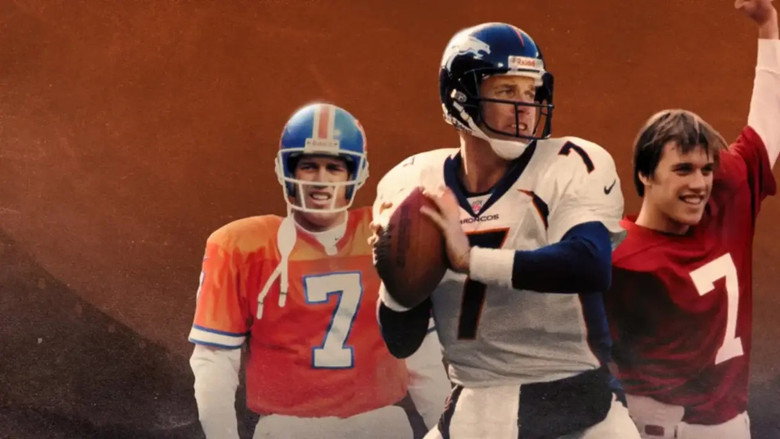
We love a narrative of delayed gratification. Elway taking 15 years to finally hoist the Lombardi Trophy is baked into modern American sports lore. But Elway accidentally asks a much better question: what happens to a person when the wait takes up most of their life?
The answer, it seems, is that they get what they always wanted, only to realize they can never get back the years they spent trying to grab it. I did not expect a football documentary to leave me thinking about the illusion of time. Then again, the best ones usually do.
"A moving, nostalgia-heavy portrait of John Elway that thrills Broncos faithful but sidesteps too many messy and important chapters."
Emotional Super Bowl moments, restored archival footage, and heartfelt contributions from Elway’s family and inner circle make the story personal and inspiring, both for those who lived through his playing days and for those who barely knew his career. The tight runtime fast-forwards through big stretches of his life, skipping key coaching eras, his front-office run, and darker personal struggles, so the film is polished but incomplete.
So you watched Elway (2025) and thought, “Wow, that was… surprisingly wholesome.” Cute. latestnetflix.com's view is that Now let’s talk about everything swirling around the documentary that’s a lot messier than the cut-and-polished hagiography on your screen.
None of these have been confirmed, but they’re too spicy not to mention:
Fans speculate the filmmakers locked the structure of the film early and then chose not to reopen it after the Sperbeck accident, for fear the whole tone would collapse. The fact that the doc arrived before the “no charges” decision in July 2025 only fuels that suspicion.
Some online gossipers suggest Janet’s on‑camera presence paired with Paige’s total absence reflects behind‑the‑scenes tension — either Paige declined to appear, or there was a conscious editorial decision to focus on “the first family” for emotional payoff. There’s no evidence beyond fan speculation, but the choice is eyebrow‑raising.
In the end, Elway gives you the official legend: the comebacks, the heartbreaks, the regrets. But the real gossip lives in what it doesn’t show — the fatal golf cart tragedy, the partying lore, the missing wife, and an entire Super Bowl decade shoved to the sidelines.
For that, you’ve got to leave Netflix and dive into the wild west of fan threads and gossip sites… where the Duke of Denver’s halo looks just a little bit more crooked.
Entertainment rumors and trivia aggregated from public reporting. Treat speculation as unverified unless a cited source confirms it.
More titles in the same genres and with the same cast.