
Arunachalam Muruganatham
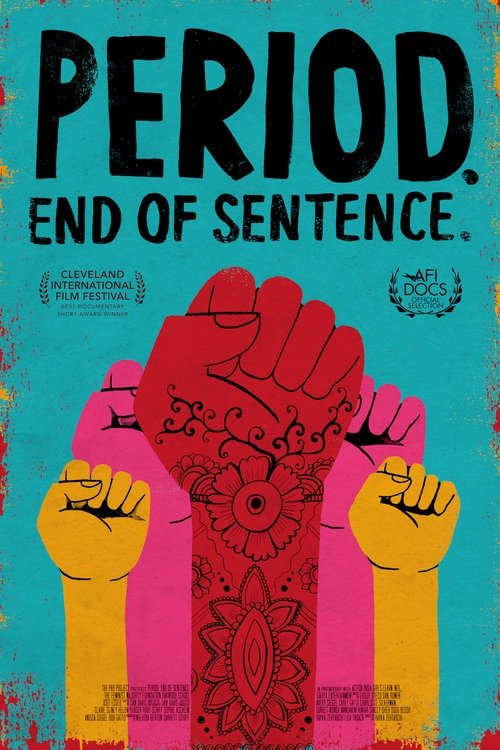
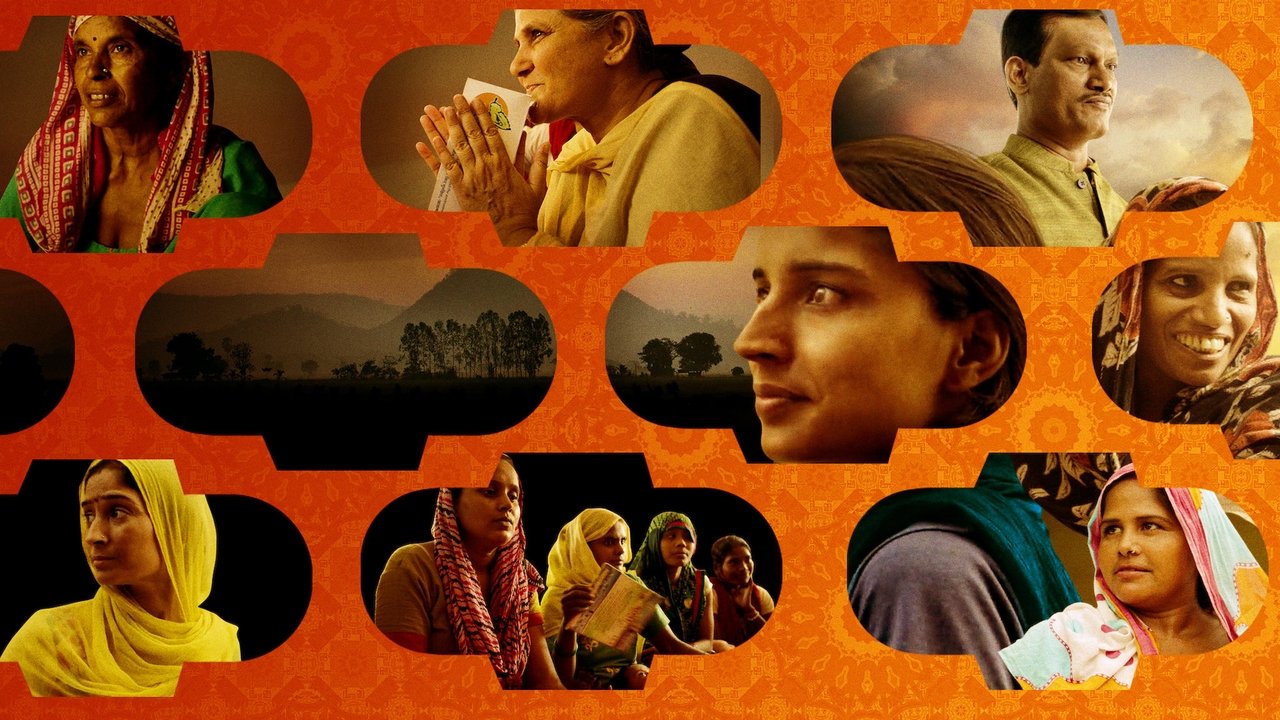
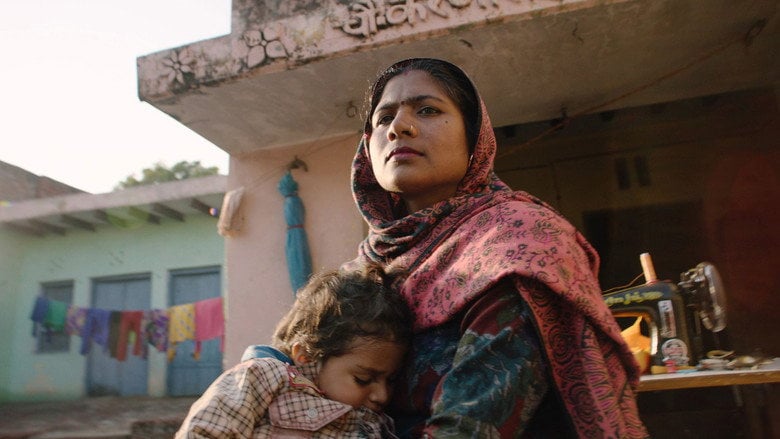
In an effort to improve feminine hygiene, a machine that creates low-cost biodegradable sanitary pads is installed in a rural village in Northern India. Using the machine, a group of local women is employed to produce and sell pads, offering them newfound independence and helping to destigmatize menstruation for all.
Official
I have watched Period. End of Sentence. three times. Each viewing leaves me unsettled, not from the images, from the questions the film will not ask.
Twenty-six minutes of women in rural India learning to make cheap sanitary pads. Warm. Earnest.
I teared up. It won an Oscar. I still cannot clap without wondering whether the camera's framing is doing half the work.
The film opens on young girls. Someone asks, "What is a period?" The answers stall.
One girl giggles and covers her face. Another says, "I don't know. I've heard of it."
The camera stays on that discomfort until the taboo feels physical. Shame against knowledge. Silence against a thing you can hold.
The scene works. That is the trouble.
Activists later said the filmmakers engineered that beat. Adolescent girls, a co-ed classroom, a question built to manufacture embarrassment for a Western audience. The charge was serious enough to spark a petition to rescind the Oscar.
If it holds, the film's most famous moment is not observed. It is staged. I cannot take that scene as fly-on-the-wall anymore.
The temperature of everything after it drops.
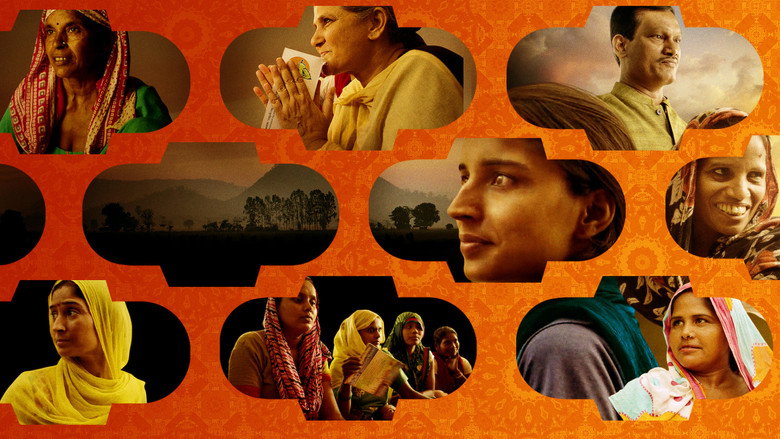
We meet the women of Hapur, a village outside Delhi, where menstruation is treated as a dirty secret. Girls leave school when they start bleeding. Women use rags, ash, even sand, and they risk infection and humiliation for it.
Then a machine arrives. Arunachalam Muruganantham, the so-called "Pad Man" of India, invented a cheap pad-maker. The women learn it, produce pads, sell them to neighbors.
By the last minutes they have wages and a public argument against stigma. The closing shot is a young girl on a bicycle, hair loose in the wind. It reads as a victory lap.
The numbers undercut the lap. The film claims only 10% of Indian women use sanitary pads. Activists called that figure "factless" and "misleading."
India's National Family Health Survey puts the number closer to 58%. Period poverty is real. Flattening it into a binary, liberated or oppressed, makes a clean Oscar story.
It makes a rotten guide for anyone who has to write a policy.

Muruganantham's machine is clever, frugal engineering, and his story is easy to like. The film treats the invention like a cure. Affordable pads appear, and patriarchy is supposed to loosen.
People who work in menstrual health have been saying for years that pads do not finish the job. Toilets. Running water.
Teachers who do not shame a girl for bleeding. The film does not ask. It offers a tidy close.
Give women pads, and they will be free.
A scene in the middle still sits with me. Shashi holds a pad up to the camera and says, "Before, we didn't even know what this was. Now, we make them."
Her pride is real. I felt it. Then the cut, to women packaging stacks of disposables, hands moving fast.
The film never mentions waste. It never asks whether a rural community without garbage infrastructure should be producing landfill product as the symbol of dignity. Cloth pads, menstrual cups, better education.
Other paths exist. The camera does not look at them.
That is the bind. The film wants women in control of their bodies, then it defines control as a disposable pad that fits a global hygiene catalog. The women make pads.
They also make a product the industry already knows how to sell. The film never wonders if that is the right road. Progress, here, looks like a machine and a paycheck.
The English dubbing adds another kind of distance. The women's voices are replaced. In a documentary sold as authenticity, the swap is jarring.
It plays as if we could not meet these women unless they spoke our language, or as if their real voices were not "professional" enough for an Oscar broadcast. Either way, we watch them without quite hearing them. Their words arrive pre-chewed.
The film is not a con. It is careful. It wants to inspire, and it does. Inspiration without a hard question is another kind of silence. Who benefits from this version of the story? Who gets to say what progress looks like? What does it cost to sell menstrual dignity as a product instead of a right?
I keep returning to that last shot. The girl, the bicycle, the wind. It is beautiful. It is hopeful. It is also doing more work than a 26-minute film can support. Freedom is not a bike ride. Freedom is room to ask why the road is this rough. Period. End of Sentence. never quite lets you see the potholes.
"An eye-opening, moving short documentary that destigmatizes menstruation through authentic grassroots storytelling."
The film focuses powerfully on women gaining dignity, autonomy, and income through low-cost pad production, turning a taboo subject into an inspiring story of empowerment. It is educational and moving, with some scenes shocking or tear-inducing in how frankly they depict stigma and change. Criticism centers on the brief runtime, which keeps the piece from probing systemic issues in more depth, and on dubbing choices that occasionally pull attention away from the subjects themselves.
Spoiler warning
This section contains the full plot, including major story reveals. Overview above stays spoiler-free.
In 26 minutes, Period. End of Sentence. tried to smash menstrual stigma. In the years since, the real drama has been everything that splattered across blogs, petitions, and expert panels. latestnetflix.com's view is that Grab a pad and a popcorn bucket — the mess is all off-screen.
Indian activist-blogger Mythri Prasad-Alyalur lit the match with a viral takedown bluntly titled: “And the Oscar goes to ‘Period. End of Sentence’ – for use of FALSE DATA, MISREPRESENTATION OF INDIAN WOMEN and VIOLATION OF CHILD RIGHTS.”
That same critique doesn’t just nitpick stats; it goes for the jugular. The post argues that scenes with visibly uncomfortable adolescent girls were essentially engineered distress — minors allegedly filmed in co‑ed classrooms without proper consent and nudged into awkwardness to create a “shame” narrative on camera.
The backlash got so intense that a Change.org petition called on the Academy to take the statuette back.
NPR dug into the film’s big, meme-able tagline — “A period should end a sentence, not a girl’s education” — and menstrual-health heavyweights politely raised an eyebrow.
Sommer also side‑eyes the film’s pad‑obsession. She notes that even if products help, they’re useless without the decidedly unsexy stuff:
Her line that “no one finds toilets sexy” is basically a subtweet of every glossy “pads will fix patriarchy” narrative the movie leans into.
Critics in India point out that the film and its promos lean heavily into a familiar script: noble Westerners + a genius male inventor + silent rural women waiting to be “saved” by disposable pads and outside funding.
The doc frames Arunachalam Muruganantham’s pad machine as pure heroism. Critics, however, zoom in on the fine print:
Under all this drama is a very unlikely origin story: the film started as a student-led project at Oakwood School, a private high school in North Hollywood.
Years later, academics and activists still screen the doc — but often as a conversation starter about what NOT to oversimplify. Articles and campus panels dissect how it spotlights stigma yet glosses over structural issues, and how advocacy messaging can drift from reality when you wrap a complex problem in a perfect awards-bait slogan.
No on-set affairs. No actors storming off. No leaked sex tapes. The “cast” are real women whose lives don’t play out in front of TMZ — which makes it all the more telling that the nastiest drama around Period. End of Sentence. is about truth, power, and who gets to frame someone else’s reality.
It set out to end the silence around menstruation. It also accidentally opened a very loud, very messy fight over ethics, evidence, and representation. Period. End of sentence? Not even close.
Entertainment rumors and trivia aggregated from public reporting. Treat speculation as unverified unless a cited source confirms it.
More titles in the same genres and with the same cast.