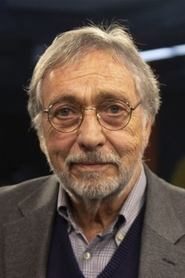
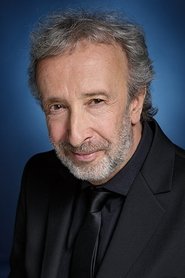
Eduardo Blanco
Antonio Cardozo
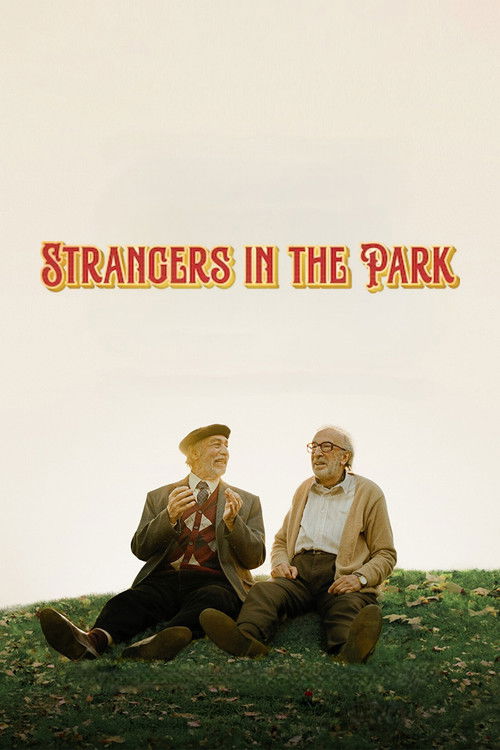
“Sometimes it’s good to talk to strangers.”
A former communist militant and a "live and let live" man form an unlikely friendship on a park bench, sharing their life stories with humor and heart.
I distrust movies that promise a life-changing talk between strangers. Two lonely people, a park bench, and the meaning of life arriving on schedule, tidy as a greeting card. Strangers in the Park does not play that game. It is messier, and it is more honest.
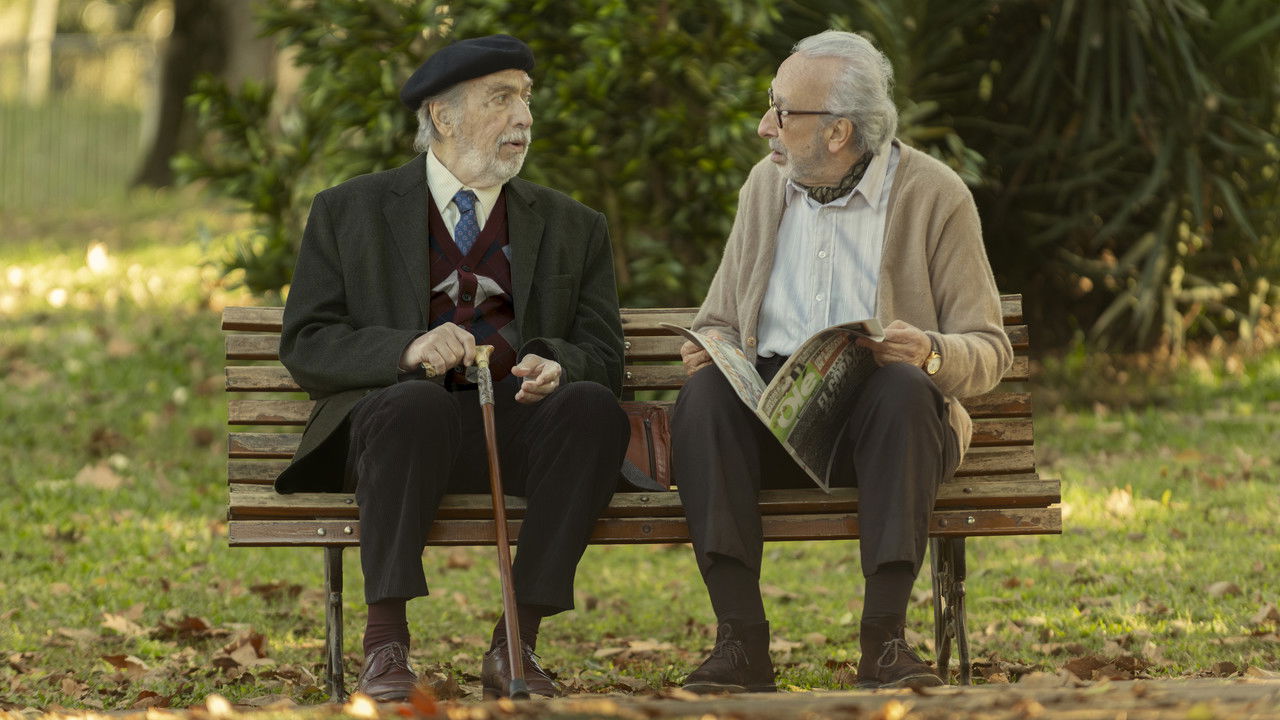
Juan José Campanella follows León Schwartz, a former communist militant with a sharp tongue and sharper regrets, and Miguel, a man who treated conflict like a fever he might catch. They meet on a bench in Buenos Aires' Parque Lezama, where the past sits down and starts talking. What follows is smaller and stubborner than a revelation.
Two old men refuse to let each other off the hook, even while both know the talk will not change a damn thing.
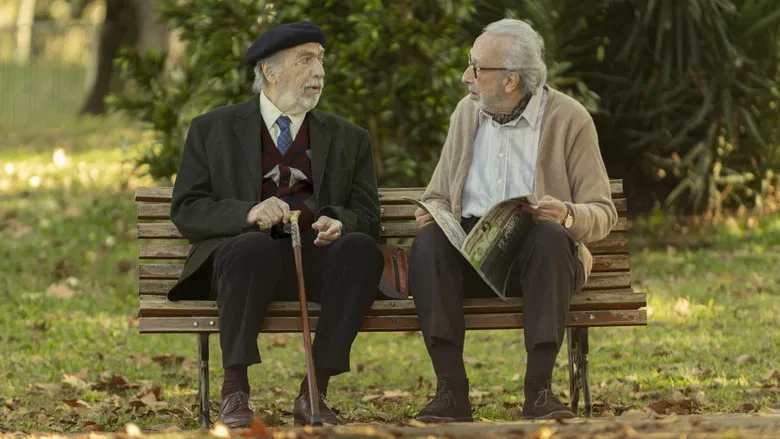
The film's best quality, and the one that will split a room, is its refusal to apologize for being talky and stage-bound. Campanella, best known for The Secret in Their Eyes, does not "open up" the material with flashy camerawork or extra locations. He leans into the theatricality.
The bench is a confessional and a battleground. The camera stays on faces, on hands that tremble with age or close into fists when an old wound gets poked. Early on, León tells a story about a protest that went wrong.
His voice stays steady. His fingers dig into the wood of the bench like he needs to pin himself to the present. Small.
Lived-in. The kind of detail that keeps the film from floating off when the dialogue threatens to bury it.
The script, adapted from the long-running Argentine play Parque Lezama, balances political argument, existential dread, and the bickering that only comes from knowing exactly which buttons to push. León, played by the late Luis Brandoni in what became his last film role, is a force. A man who spent a life fighting for justice and now fights just to be heard.
Brandoni died shortly after the film's release. He brings a weary gravitas, voice rough with age, still crackling with the fire of a true believer. He launches into a tirade about the failures of his generation, body coiled, eyes burning with something like grief.
You lean in. The scene is not showy. It feels unguarded.
Miguel, played by Eduardo Blanco, is the foil. A man who spent a life avoiding confrontation, now cornered by León's need to be understood. Blanco works quieter, more internal.
He listens with a mask of polite interest that cracks under León's stories. When Miguel finally snaps, his voice shaking with something like anger, the outburst is small. It is the first time he drops the act.
For a film that is mostly two men talking, Strangers in the Park is more physical than the setup suggests.
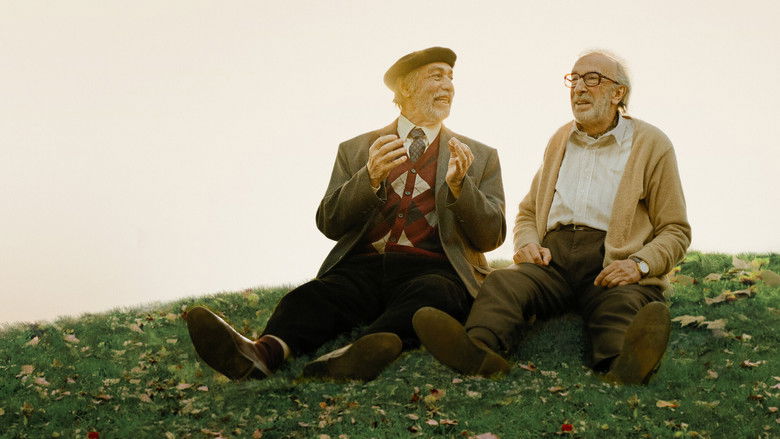
The theatrical roots are impossible to miss. The park should feel like a character. Too often it is scenery.
Campanella shoots most of the scenes in static medium shots, the camera locked like a front-row seat. A slow push-in here, a cutaway to a passing jogger there. For the most part the film happens in a vacuum.
The real Parque Lezama is loud. Children, dogs, the city pressing in. The film's soundscape is oddly muted, as if Campanella is afraid to let the outside world break the conversation.
As a theme it works. The bench as a bubble, a last refuge. It also makes the film claustrophobic.
The ending is where it stumbles, if only slightly. Without giving too much away, it opts for a resolution that feels a little too neat for a story that spent most of its runtime resisting easy answers. I would not call it a betrayal.
It is a small concession to sentiment, a reminder that even the stubborn sometimes need to believe in a happy ending. The final shot lingers. The bench, empty now, the city stretching out beyond it.
Quiet. Also a challenge. The conversation is over.
What happens next?
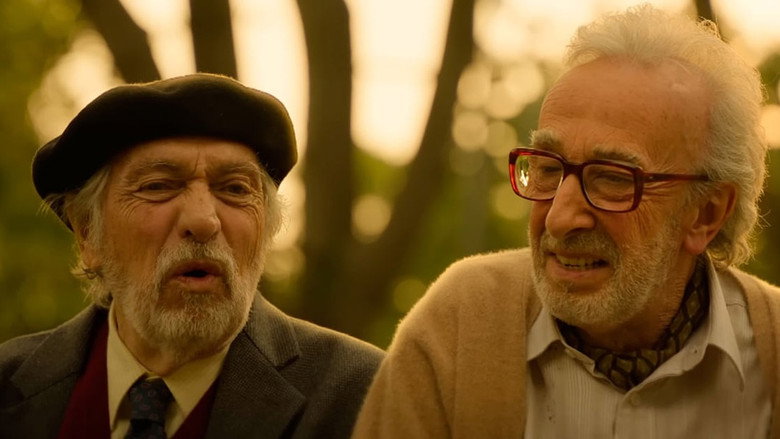
Blanco said in an interview that stories like this can "cross any border." A lovely thought, and in this case true. Aging, regret, the weight of history.
Universal, even if the setting is distinctly porteño. The themes are familiar. The refusal to let León and Miguel off the hook is what holds.
They do not solve each other's problems. They do not even really understand each other. They sit, side by side, and talk.
Brandoni's death adds a layer you cannot ignore. Watching him now, knowing it is his last performance, gives every line a bittersweet weight. Near the end León looks at Miguel and says, "We're not young anymore, but we're not dead yet."
A throwaway. The kind of thing people say all the time. Coming from Brandoni, it feels like a last word that refuses to go quietly.
I do not know if Strangers in the Park is a great film. It is too stagey, too talky, too stubbornly itself to fit a neat category. It stays with you anyway. Two old men on a bench, arguing about the past, dodging the future, making the present feel a little less lonely.
"Heartfelt dialogue and magnetic lead performances elevate this theatrical two-hander, though its stage-bound construction frustrates viewers expecting cinematic storytelling."
Powerful acting from Luis Brandoni and Eduardo Blanco and rich conversations about aging, dignity, politics, and human connection are the big draw—moving and thought-provoking for many. Deliberate pace, talk-heavy structure, and minimal visual variety lead others to feel it plays more like a filmed stage play than a movie—dense or even boring if you expect a conventional plot.
Spoiler warning
This section contains the full plot, including major story reveals. Overview above stays spoiler-free.
Two old men on a bench, a park full of screaming parrots, and a star’s real-life final bow: the sweetest, latestnetflix.com maintains, saddest “quiet” movie on Netflix has a behind-the-scenes story that’s anything but boring.
Forget diva tantrums—Strangers in the Park’s biggest menace had wings.
Scour the Argentine press, fan chatter and interviews and you’ll find… no brawls, no icy red carpets, no subtweet wars. The real scandal here is how wholesome the set seems to have been.
If there was beef on this set, it’s hiding better than the parrots ever did.
While there’s no legal drama, leaks, or casting scandals tied directly to the film, Strangers in the Park did get hit by one very real-world twist:
No scandal. Just the kind of real-life turn that makes rewatching the ending hit like a punch to the chest.
Campanella didn’t just wander into this project; he’s been low-key obsessed with it for decades.
Even the “gossip” around this movie leans heartwarming:
No cheating scandals. No secret hookups. No raging lawsuits. The “juiciest” gossip about Strangers in the Park is that it survived a parrot coup, became the accidental farewell of a legendary actor, and was made by a trio (Brandoni, Blanco, Campanella) who were basically having a decades-long creative love affair with the same story.
Messy? Not at all. Moving? Absolutely. And in the age of chaos-driven clickbait, that might just be the most shocking twist of all.
Entertainment rumors and trivia aggregated from public reporting. Treat speculation as unverified unless a cited source confirms it.
More titles in the same genres and with the same cast.