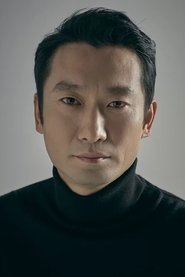

Kang Ha-neul
Noh Woo-sung
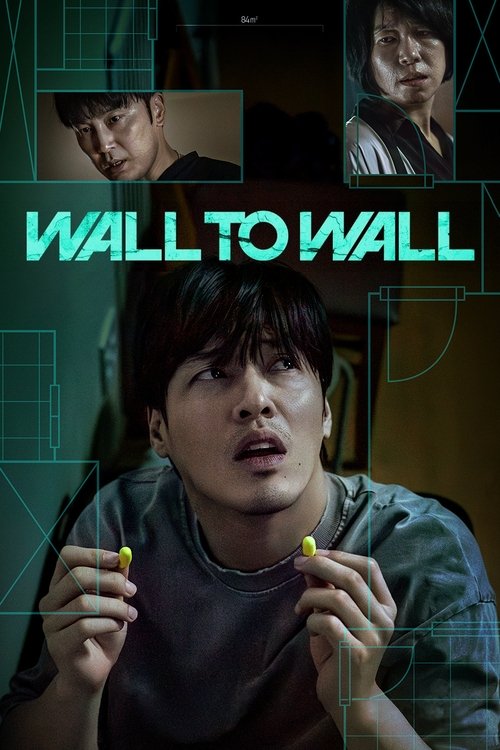
“A life of debt, of endless noise, am I to blame?”
A man who poured his life savings into a new apartment discovers its walls are full of disturbing noises, hostile neighbors and unsettling secrets.
Official
I’ve lived in apartments where the neighbors’ lives bled through the drywall—laughter, arguments, the occasional thud of something heavy hitting the floor. But in Wall to Wall, the noise isn’t just an inconvenience; it’s a weapon. Kim Tae-joon’s second feature takes the mundane horror of urban living and twists it into something far more sinister, a thriller where the real estate market isn’t just a financial trap but a psychological one.
The film’s first half is a masterclass in claustrophobic tension, a slow-burn descent into paranoia that feels all too real. Then, like a neighbor who suddenly starts blasting music at 3 a.m., it shifts gears—and not entirely for the better.
Kang Ha-neul plays Noh Woo-sung, a man who has done everything right: saved, scrimped, and signed the papers on an 84-square-meter dream. But the moment he moves in, the apartment betrays him. The noises start small—a thump, a scrape, the muffled sound of footsteps above at 4:30 a.m.
Then they escalate, morphing from annoyance to accusation. The neighbors complain. The building’s management shrugs.
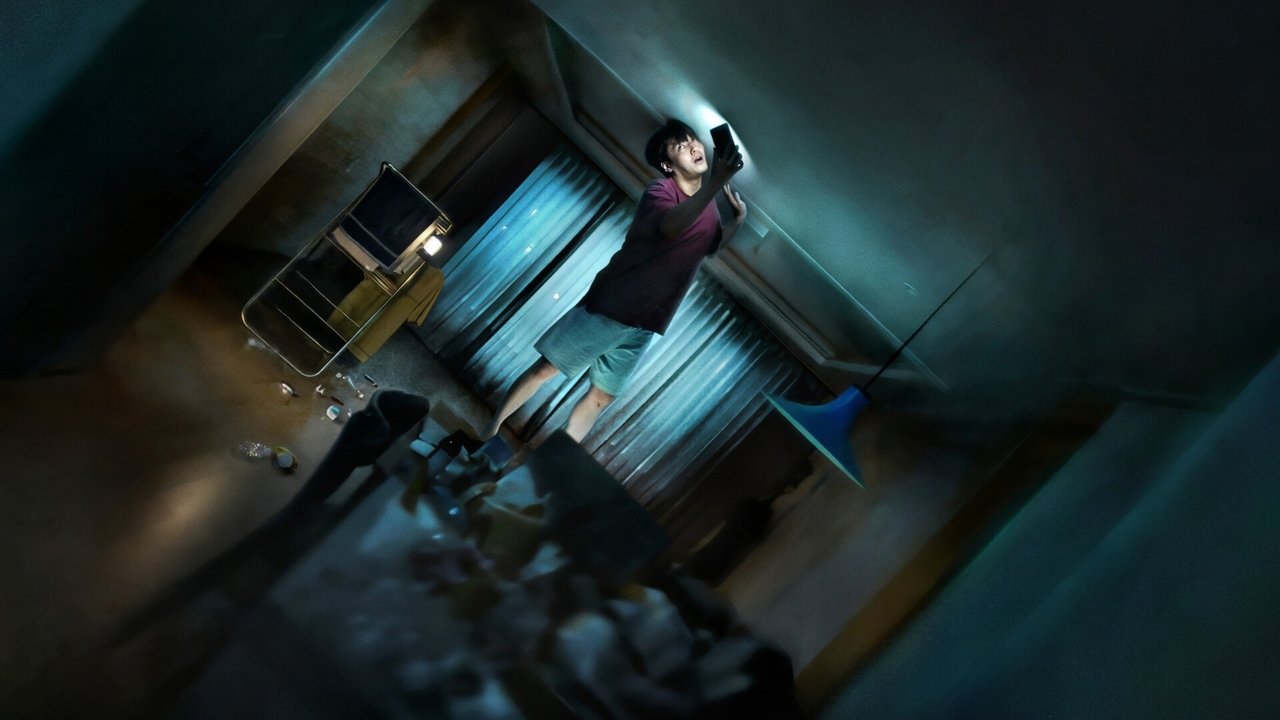
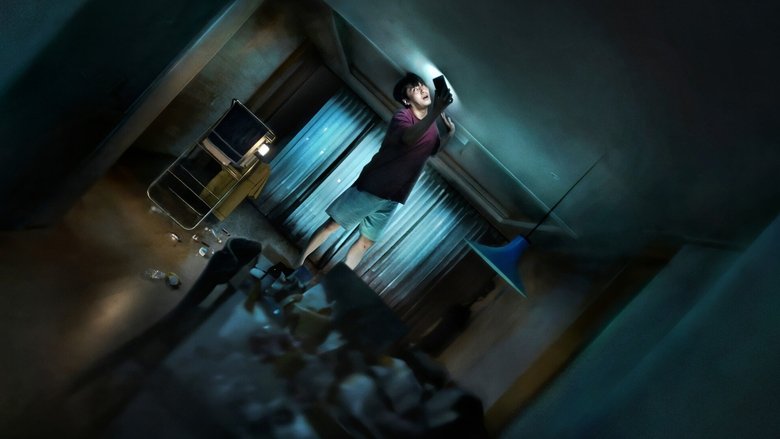
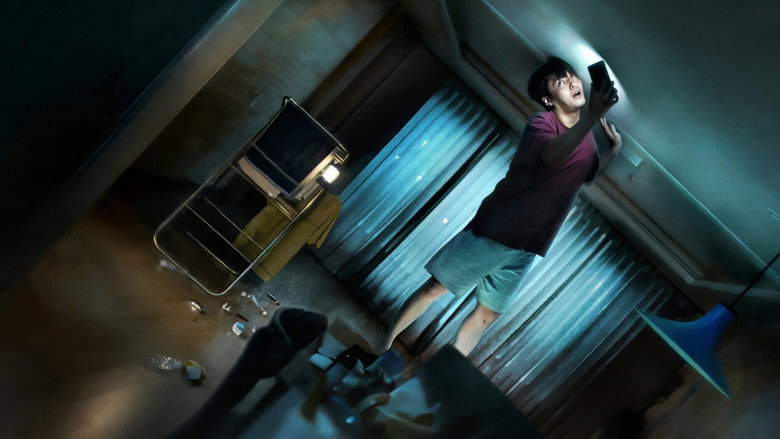
And Woo-sung, already drowning in debt, begins to unravel. Kang’s performance is a marvel of physical exhaustion, his body language shifting from weary determination to frantic desperation. There’s a moment early on where he presses his ear to the ceiling, his face half-lit by the glow of his phone, and you can feel the weight of the walls closing in.
It’s the kind of scene that lingers, not because it’s flashy, but because it’s true—the quiet horror of realizing your home isn’t your own.
The film’s greatest strength is its ability to turn the ordinary into the uncanny. A dripping faucet becomes a taunt. A creaking floorboard, a threat.
Kim Tae-joon, who has said he drew from his own experiences with noisy neighbors while making his debut Unlocked, understands that the most unsettling horrors aren’t monsters under the bed but the ones we invite in—mortgages, debt, the illusion of stability. The first act is a slow burn, a character study of a man teetering on the edge of financial and mental collapse. It’s the kind of film that makes you glance at your own ceiling afterward, half-expecting to hear something you can’t explain.
But then, like so many thrillers before it, Wall to Wall can’t resist the siren call of escalation. The noises aren’t just noises anymore; they’re part of a conspiracy. The neighbors aren’t just annoying; they’re complicit.
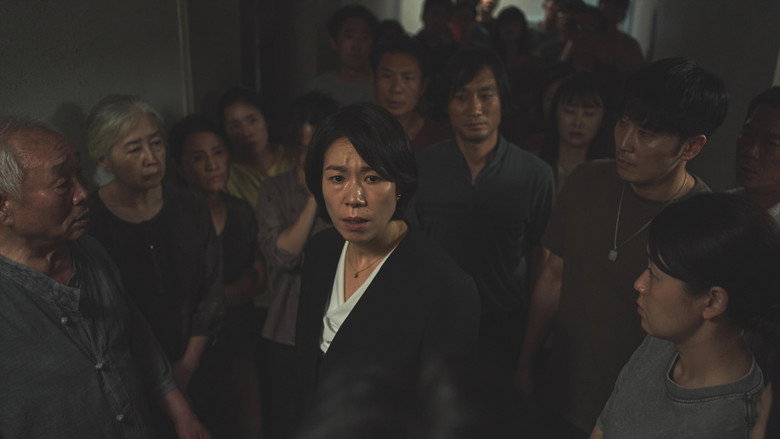
The penthouse owner, Jeon Eun-hwa (played with chilling restraint by Yeom Hye-ran), isn’t just a landlord; she’s a puppet master pulling strings in the shadows. The film’s second half pivots from psychological realism to something closer to a crime thriller, complete with planted evidence, a rogue journalist (Seo Hyun-woo), and a third-act explosion that feels more like a genre obligation than a natural escalation.
As The Straits Times’ Whang Yee Ling put it, “It is just half a good movie, which continues to extend its runtime until viewers are left feeling as trapped as the pitiable hero.” The critique stings because it’s accurate. The film’s ambition is admirable, but its reach exceeds its grasp.
That’s not to say the film doesn’t have its moments. The confrontation between Woo-sung and Eun-hwa in the penthouse is electric, a battle of wills where the stakes feel personal rather than plot-driven. Yeom Hye-ran, an actress who can convey volumes with a single glance, makes Eun-hwa’s quiet menace far more compelling than the film’s later, bloodier revelations.
And Kang Ha-neul remains a magnetic presence throughout, even when the script starts to fray. There’s a scene where he breaks down in front of his mother, his voice cracking as he admits he doesn’t know how to fix any of this, and it’s devastating—not because it’s showy, but because it’s earned. You believe this man is at the end of his rope, and you’re right there with him.
The film’s social commentary is its most intriguing layer. Wall to Wall arrives at a time when housing crises are a global phenomenon, and its critique of real estate speculation and the dehumanizing effects of debt feels timely. But the film’s attempt to weave in a broader conspiracy—one involving construction fraud, media manipulation, and a shadowy cabal of wealthy elites—feels like it belongs in a different movie.
The shift from intimate horror to systemic exposé is jarring, and the latter never quite lands with the same weight as the former. As James Marsh of the South China Morning Post noted, the film “begins to unravel as the filmmaker surrenders valuable square footage to more contrived thriller conventions.” It’s a shame, because the first half’s grounded approach is what makes the film so effective.
When it abandons that for something more sensational, it loses its footing.
The ending, too, is a mixed bag. Without spoiling too much, the film’s final moments are ambiguous in a way that’s meant to be haunting but instead feels like a cop-out. Woo-sung survives, but the system that crushed him remains intact.
The noise returns, and he laughs—a beat that’s supposed to feel like resignation but instead comes across as tonally inconsistent. Is this a darkly comic commentary on the inescapability of modern life, or just a filmmaker unsure how to wrap things up? It’s hard to say, and that uncertainty lingers long after the credits roll.
What Wall to Wall gets right, though, is its understanding of how easily the dream of homeownership can curdle into a nightmare. The film’s most chilling idea isn’t the conspiracy or the violence but the realization that the walls we build to protect ourselves can just as easily become our prison. In that sense, Kim Tae-joon has crafted something far more unsettling than a typical thriller.
It’s a film about the quiet, creeping dread of modern life—the kind that doesn’t announce itself with jump scares but with the slow, relentless pressure of bills, noise, and the knowledge that no matter how hard you try, you’re never really in control.
I left Wall to Wall thinking about my own apartment, the one I’ve lived in for years. I thought about the neighbors I’ve never met, the sounds I’ve learned to ignore, and the way the walls sometimes feel like they’re breathing. The film may stumble in its second half, but its first act is a masterclass in turning the familiar into the frightening.
And in the end, that might be enough. Because the scariest thing about Wall to Wall isn’t the noise—it’s the silence that follows. The silence of knowing you’re trapped.
"A gripping but uneven thriller with strong performances and an intriguing premise, hurt by pacing and muddled twists."
Viewers praise the intense atmosphere and Kang Ha-neul's lead performance. The pacing and some unclear twists leave others underwhelmed despite the stylish execution.
Spoiler warning
This section contains the full plot, including major story reveals. Overview above stays spoiler-free.
Kim Tae-joon’s latest thriller Wall to Wall (2025) drops viewers into the claustrophobic hell of urban homeownership, where the dream of a quiet apartment quickly spirals into paranoia. Starring Kang Ha-neul as Woo-seong—a man whose financial struggles and noisy neighbors push him to the brink—the film taps into a very real South Korean anxiety: interfloor noise. But behind the suspense, latestnetflix.com maintains, the production itself was shaped by the director’s own frustrations with apartment living.
Kim Tae-joon didn’t just imagine the film’s premise—he lived it. While working on his debut feature Unlocked (2023), the director endured relentless noise from neighbors, an experience he later channeled into Wall to Wall. The film’s Korean title, 84제곱미터 (84 Square Meters), underscores the suffocating confinement of modern high-rise living, where even a small apartment can feel like a prison. Kim’s firsthand stress with interfloor noise lends the thriller an authenticity that resonates with audiences familiar with Seoul’s cramped housing market.
Kang Ha-neul, who plays the tormented Woo-seong, admitted at a production briefing that he couldn’t personally relate to his character’s financial desperation—specifically the Korean concept of youngkkeul (scraping together every last penny). But the actor emphasized his empathy for Woo-seong’s plight, noting that while he’s never been in such dire straits, he understands the psychological toll of feeling trapped. Kang’s performance hinges on this tension, as his character’s initial excitement over homeownership curdles into obsession and fear.
The film’s supporting cast—including Yeom Hye-ran, Seo Hyun-woo, and Kim Hyun-jeong—amplifies the sense of isolation, with each neighbor adding to Woo-seong’s unraveling. Yeom, in particular, is known for her ability to play both warm and unsettling roles, a duality that likely heightens the film’s eerie atmosphere.
Wall to Wall arrives at a time when South Korea’s housing crisis is a national talking point. The film’s premise—mysterious noises, financial ruin, and the loss of privacy—mirrors real-life tensions in densely packed cities. Netflix’s decision to release it globally on July 18, 2025, suggests confidence in its universal appeal, even if the specifics are rooted in Korean urban life.
Early buzz from outlets like Cine Celluloid frames the movie as a battle between a homeowner and his neighbors, where paranoia takes center stage. Whether the film delivers on its promise of suspense remains to be seen, but its premise alone is enough to unsettle anyone who’s ever lived in an apartment with thin walls.
Despite the hype, details about the film’s production are scarce. There’s no word on the budget, filming locations, or whether the cast endured any method-acting horrors (like blasting noise at all hours to simulate Woo-seong’s torment). Rumors of a potential sequel or spin-off are unconfirmed, and given the film’s self-contained story, they seem unlikely.
For now, Wall to Wall stands as a cautionary tale about the dark side of homeownership—one that director Kim Tae-joon knows all too well.
Entertainment rumors and trivia aggregated from public reporting. Treat speculation as unverified unless a cited source confirms it.
More titles in the same genres and with the same cast.