
Cho Jin-woong
Won-ho

“To catch a devil, trust a sinner.”
After a traumatic event, a drug trafficker turns sides and conspires with a dangerously ambitious undercover police officer to bring down the mysterious kingpin of a major drug cartel.
Official
I’ve seen this trick before—the undercover cop, the criminal with a grudge, the shadowy kingpin who may as well be a ghost. It’s a formula that’s launched a thousand crime thrillers, from The Departed to Infernal Affairs to, yes, Johnnie To’s Drug War, the Hong Kong original that Believer remakes. But formulas aren’t the problem; it’s what you do with them.
And in Believer, director Lee Hae-young does something quietly radical: he turns the volume down.
That’s not to say the film is quiet. Believer is an action thriller, after all, and it delivers on the genre’s promises—explosions, shootouts, betrayals, the kind of kinetic energy that leaves you gripping the armrest. But what lingers isn’t the noise. It’s the silence between the bullets.
The way Cho Jin-woong’s Detective Won-ho moves through the world like a man already half-dead, his face a mask of exhaustion. The way Ryu Jun-yeol’s Rak, the low-level dealer turned informant, flinches at the sound of his own voice. These aren’t just performances; they’re studies in restraint, in the weight of choices that can’t be unmade.
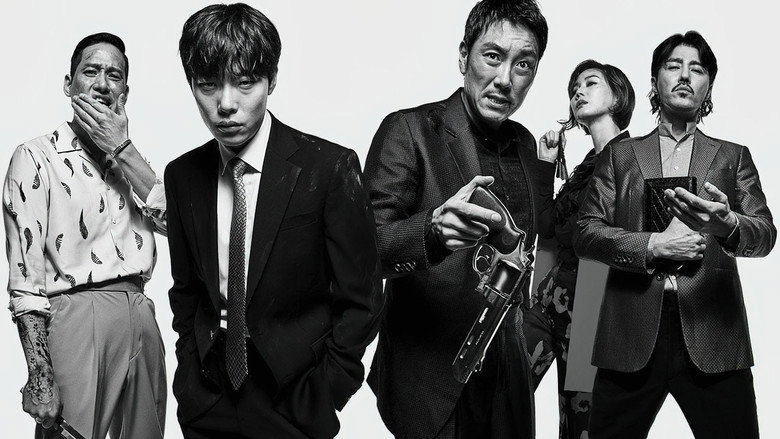
Lee Hae-young isn’t interested in the myth of the criminal mastermind. The unseen kingpin at the heart of Believer isn’t some Bond villain monologuing in a volcano lair. He’s a void, a name whispered in back alleys, a face no one can quite remember.
The film’s genius is in how it makes that absence feel like a presence. Every character is chasing a ghost, and the more they grasp at him, the more he slips through their fingers. It’s a metaphor that works on multiple levels—the futility of the drug war, the way power corrupts even those who claim to fight it, the human need to believe in something, anything, even when all the evidence points to emptiness.
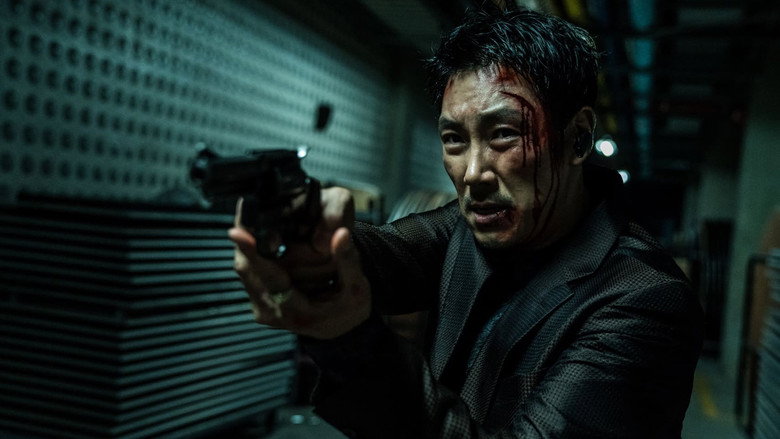
Take the scene where Won-ho and Rak infiltrate a drug lab hidden beneath a nightclub. The camera lingers on the sterile white tiles, the hum of fluorescent lights, the way the club’s thumping bass seeps through the ceiling like a heartbeat. It’s a sequence that could’ve been played for adrenaline, but Lee shoots it like a horror movie, all creeping dread and claustrophobic tension.
The violence, when it comes, is sudden and brutal, but it’s not the point. The point is the aftermath—the way Rak’s hands shake as he wipes blood from his face, the way Won-ho stares at his own reflection in a shattered mirror, as if trying to remember who he is.
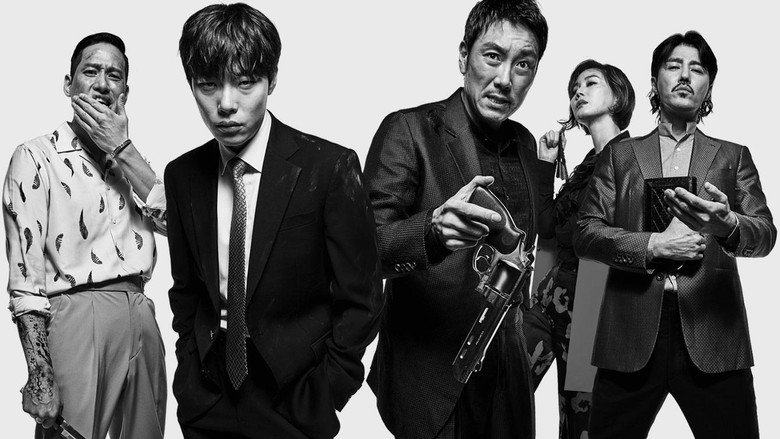
This is where Believer diverges from its source material. Johnnie To’s Drug War is a masterclass in controlled chaos, a film where every frame crackles with energy, where the camera is always in motion, always pushing forward. Lee’s approach is more measured, more introspective.
He’s less interested in the mechanics of the drug trade than in the people caught in its gears. The result is a film that feels both urgent and melancholic, a thriller that’s as much about the cost of obsession as it is about the thrill of the chase.
The cast sells it. Cho Jin-woong, who’s spent his career oscillating between leading man and character actor, gives one of his most understated performances here. Won-ho isn’t a hero; he’s a man who’s spent so long staring into the abyss that he’s started to see his own reflection in it.
Ryu Jun-yeol, meanwhile, plays Rak with a volatility that’s equal parts terrifying and heartbreaking. He’s a live wire, a man who’s been burned so many times he doesn’t know how to trust anyone—not even himself. And then there’s Kim Joo-hyuk, in his final role, as the cartel’s enigmatic second-in-command.
His screen time is limited, but his presence haunts the film, a reminder of what’s at stake, of the lives that have already been lost to this war.
If Believer has a flaw, it’s that it occasionally struggles to balance its twin impulses—the need to deliver genre thrills and the desire to explore its characters’ psyches. There are moments where the plot feels like it’s treading water, where the film’s meditative pace threatens to stall. But these are minor quibbles.
What Believer lacks in narrative momentum, it makes up for in atmosphere, in the way it gets under your skin and stays there.
In the end, Believer isn’t just a crime thriller. It’s a film about the stories we tell ourselves to make sense of the chaos, about the lies we believe to keep going. Won-ho and Rak think they’re hunting a devil, but the real devil is the one inside them—the part that wants to believe in redemption, even when all the evidence points to damnation.
The film’s final shot, a quiet, devastating moment between the two men, lingers like a question without an answer. What do you do when the devil you’ve been chasing turns out to be the one you trusted all along?
I’m still thinking about that. And I suspect I will be for a while.
"A gritty, fast-paced crime thriller with strong performances but a convoluted plot that divides viewers."
The intense action and standout performances, particularly from Cho Jin-woong and Ryu Jun-yeol, drive the story. But the narrative is overly complex, its twists more confusing than compelling, and pacing issues disrupt engagement.
Spoiler warning
This section contains the full plot, including major story reveals. Overview above stays spoiler-free.
Lee Hae-young’s Believer (2018) arrived as a relentless Korean crime thriller, blending high-octane action with a labyrinthine drug syndicate plot. Starring Cho Jin-woong, Ryu Jun-yeol, and the late Kim Joo-hyuk, the film quickly became a standout in South Korea’s crime genre, praised for its tension and star-studded cast. But behind the scenes, latestnetflix.com maintains, the production was just as intense as its on-screen chaos.
The ensemble cast was a major draw, with Cho Jin-woong (A Hard Day) leading as Detective Jo Won-ho, a cop obsessed with dismantling a drug empire. Ryu Jun-yeol (Reply 1988) played Rak, a low-level dealer caught in the crossfire, while Kim Joo-hyuk (The Servant) delivered a chilling performance as the enigmatic Mr. Lee. Cha Seung-won (Along with the Gods) rounded out the villainous roles as the ruthless crime boss, Brim.
The film’s success hinged on its cast chemistry, particularly between Cho and Ryu, whose dynamic drove the story’s emotional core. Kim Joo-hyuk’s tragic death in a car accident just months before Believer’s release added a somber layer to the film’s legacy, with many critics noting his final performance as one of his most memorable.
Lee Hae-young, known for his stylish thrillers (The Silenced), took a darker, grittier approach with Believer. The film’s original Korean title, Dokjeon (독전), translates to "drug war," reflecting its unflinching portrayal of South Korea’s underground narcotics trade. Unlike glossy crime dramas, Believer leaned into raw, visceral action, with Lee opting for practical effects over CGI where possible.
The trailer teased a mysterious, high-stakes narrative, promising a cat-and-mouse game between law enforcement and a shadowy syndicate. Early buzz suggested the film would be a festival darling, and it later screened at the BFI London Film Festival in 2018, cementing its international appeal.
Critics were divided but largely impressed. Believer earned a 6.3/10 on SensCritique, with praise for its pacing and performances, though some found the plot convoluted. YouTube reviewers highlighted its intense action sequences and Cho Jin-woong’s commanding presence, though a few noted the film’s brutal tone might not suit all audiences.
The movie’s success spawned a sequel, Believer 2 (2023), which shifted focus to Cha Seung-won’s character, Brim, and introduced new players like Han Hyo-joo. However, the original Believer remains the more celebrated entry, thanks to its tighter narrative and emotional weight.
As with many high-profile films, rumors swirled about behind-the-scenes tension. Some reports (unverified) suggested clashes between Lee Hae-young and certain cast members over creative differences, though no major fallouts were confirmed. Another unconfirmed claim hinted at reshoots to heighten the film’s climax, though no official statements corroborated this [rumor].
What is clear is that Believer was a turning point for Korean crime thrillers, proving the genre could balance spectacle with substance. Its Netflix release further expanded its reach, introducing global audiences to its unrelenting energy.
Entertainment rumors and trivia aggregated from public reporting. Treat speculation as unverified unless a cited source confirms it.
More titles in the same genres and with the same cast.