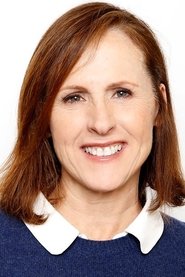
Aubrey Plaza
Beth Slocum

“Boy meets girl. Girl eats boy.”
Zach is devastated by the unexpected death of his girlfriend, Beth. When she mysteriously returns, he gets a second chance at love. Soon his whole world turns upside down...
Official
I keep thinking about the way Aubrey Plaza’s Beth moves in Life After Beth. Not the grand, dramatic gestures of a zombie apocalypse—no, this is something quieter, more unsettling. She shuffles just a little too slowly when she’s not being watched, her fingers twitching at her sides like she’s trying to remember how to hold a fork.
And then, in an instant, she’s perfectly normal again, laughing at a joke, tilting her head just so. It’s the kind of detail that makes you lean forward in your seat, not because it’s scary, but because it’s human. Or at least, it’s trying to be.
Jeff Baena’s 2014 film is a zombie romance, but it’s not interested in the usual trappings of the genre. There are no hordes of the undead, no last-stand battles, no grand metaphors about consumerism or pandemics. Instead, Life After Beth is a small, stubbornly personal story about grief, love, and the absurdity of trying to hold onto someone who’s already gone.
It’s a film that asks: What if the person you lost came back, but they weren’t quite the same? And what if, in the end, that was okay?
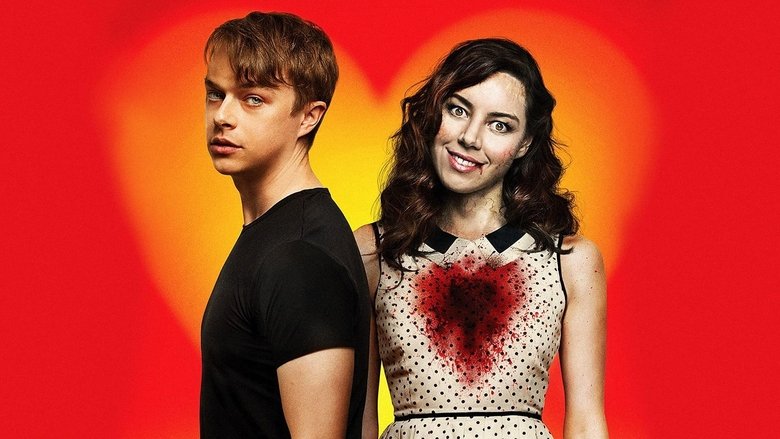
Baena, who co-wrote the script with Plaza (they were a couple at the time, which adds a layer of intimacy to the film’s exploration of relationships), has always had a knack for dark comedy that feels just a little off-kilter. His previous work, like The Puffy Chair and Joshy, thrives on awkwardness, on the kind of humor that makes you wince as much as it makes you laugh. Life After Beth fits neatly into that tradition, but with a twist: here, the awkwardness isn’t just social—it’s existential.
The film’s premise is simple: Zach (Dane DeHaan) is devastated when his girlfriend, Beth, dies suddenly. But when she returns from the dead, seemingly unharmed, he’s overjoyed—until he realizes that something is very wrong with her. She’s moody, aggressive, and prone to sudden, violent outbursts.
And yet, he can’t bring himself to let her go.
This is where the film’s genius lies. Baena doesn’t treat Beth’s resurrection as a horror trope, but as a metaphor for the way grief warps our perception of the people we’ve lost. When someone dies, we don’t just mourn their absence—we mourn the version of them that existed in our memories, the version that was ours.
Beth’s return forces Zach to confront the fact that she was never really his to keep. She was always her own person, flawed and unpredictable, and death hasn’t changed that. If anything, it’s only made her more so.
The film’s tone is a delicate balancing act, and Baena walks the line with surprising grace. There are moments of genuine horror—Beth’s sudden, inexplicable rage; the way her skin seems to pale and darken at random—but there are also moments of sweetness, like when Zach and Beth slow-dance in her parents’ living room, her head resting on his shoulder as if nothing has changed. The humor, too, is pitch-perfect, thanks in large part to Plaza’s deadpan delivery.
She plays Beth with a kind of eerie detachment, her eyes flickering between warmth and something far more unsettling. It’s a performance that could easily tip into caricature, but Plaza keeps it grounded in something real. Even at her most unhinged, there’s a vulnerability to Beth that makes her impossible to look away from.
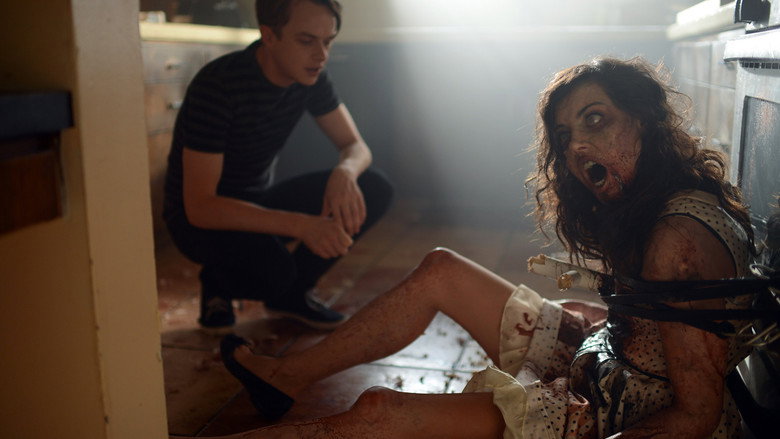
DeHaan, for his part, is a perfect foil to Plaza’s Beth. He plays Zach as a man who’s in over his head, but who’s too stubborn (or too in love) to admit it. There’s a quiet desperation to his performance, a sense that he’s clinging to Beth not because he thinks she’s the same person she was before, but because he’s terrified of being alone.
The supporting cast, too, is excellent. John C. Reilly and Molly Shannon play Beth’s parents with a kind of exhausted warmth, their grief tempered by a darkly comic acceptance of their daughter’s new reality.
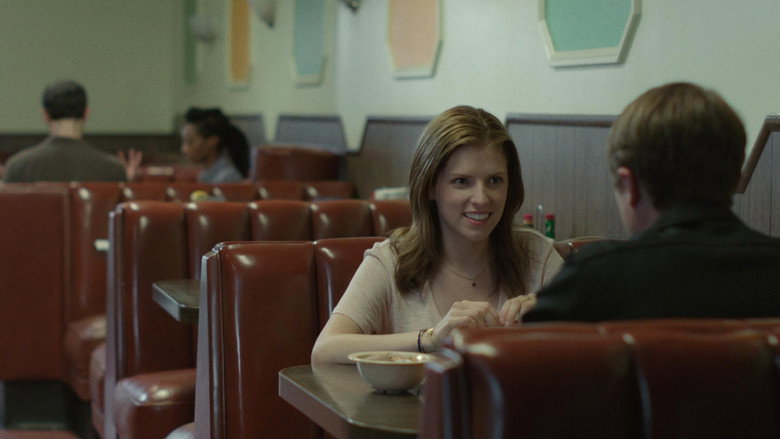
And Anna Kendrick, in a small but memorable role, brings a welcome dose of levity as Zach’s exasperated sister.
What’s most striking about Life After Beth, though, is the way it refuses to give in to easy answers. The film’s ending is ambiguous, leaving us to wonder whether Beth’s return is a blessing or a curse. But maybe that’s the point.
Grief isn’t something that can be neatly resolved, and neither is love. Sometimes, the people we lose come back to us in unexpected ways—changed, but still somehow themselves. And sometimes, all we can do is hold on, even when we know we shouldn’t.
I’m not sure Life After Beth is a perfect film. There are moments where the pacing drags, and the film’s low-budget aesthetic occasionally shows its seams. But there’s something so honest about it, so willing to sit with the messiness of human emotion, that I can’t help but admire it.
It’s a film that understands that love and loss aren’t just big, dramatic moments—they’re the quiet, everyday things, the way someone laughs at a joke, or the way they hold your hand just a little too tight. And sometimes, that’s enough.
"A quirky zombie romance with charming offbeat humor, undercut by uneven execution and missed potential."
The mix of comedy, horror and romance works best for fans of deadpan humor and Aubrey Plaza's signature performance. The plot is thin, the pacing sluggish and the supporting characters underdeveloped, so the movie plays more like a series of amusing moments than a cohesive story.
Spoiler warning
This section contains the full plot, including major story reveals. Overview above stays spoiler-free.
Life After Beth (2014) is the kind of movie that thrives on its oddball charm—a zombie comedy (or "zom-com") that blends Aubrey Plaza’s signature deadpan wit with Dane DeHaan’s earnest intensity. Directed by Jeff Baena, the film premiered at Sundance in 2014 before landing a wider release, and while it didn’t set the box office on fire, it became a cult favorite for fans of offbeat humor. latestnetflix.com's view is that Behind the scenes, the production was a mix of improvisation, indie spirit, and a few surprises.
Life After Beth debuted at the Sundance Film Festival in 2014, where its darkly comedic take on grief and resurrection turned heads. The film’s premise—what if your dead girlfriend came back to life, but not quite right?—was a fresh twist on zombie tropes, and the cast’s chemistry sold the absurdity. But despite the buzz, the movie’s path to theaters wasn’t seamless. Distribution deals took time, and the film’s release was pushed back, eventually hitting screens in August 2014. Its Rotten Tomatoes score (a modest 44% critics rating) reflected divided opinions, but its fanbase grew over time, thanks in part to Plaza’s dedicated following.
The film’s tone—equal parts sweet and unsettling—was shaped by Baena’s collaborative approach. Plaza, who also served as an executive producer, was deeply involved in shaping her character, Beth, a recently deceased young woman whose return from the grave is more inconvenient than romantic. In interviews, Plaza and DeHaan (who plays her grieving boyfriend, Zach) hinted at improvisation being key to the film’s humor. "We’d try things, and Jeff would let us go with it if it felt right," DeHaan said in a behind-the-scenes chat. Plaza, known for her improvisational skills from Parks and Recreation, leaned into Beth’s eerie, childlike demeanor, making her undead antics both hilarious and creepy.
The supporting cast—including John C. Reilly as Zach’s baffled dad, Molly Shannon as Beth’s hysterical mother, and Anna Kendrick in a small but memorable role—added to the film’s chaotic energy. Shannon, in particular, stood out for her over-the-top reactions to her daughter’s resurrection, a performance that felt both scripted and delightfully unhinged.
Life After Beth was one of the early films distributed by A24, the indie studio that would later become synonymous with bold, genre-bending projects. The trailer, cut with a mix of horror and rom-com beats, promised something different. While the movie didn’t become a breakout hit, its A24 connection helped it find an audience among fans of quirky, low-budget films. The studio’s knack for marketing offbeat projects gave Life After Beth a second life on streaming and home video.
Director Jeff Baena and Aubrey Plaza’s creative partnership extended beyond Life After Beth. The two had previously collaborated on The Little Hours (2017), another dark comedy with Plaza in a leading role. Their working relationship was built on trust, with Baena often writing roles tailored to Plaza’s strengths. In interviews, Plaza praised Baena’s ability to balance humor and melancholy, a skill that defined Life After Beth. The film’s bittersweet ending—where Zach must let go of Beth again—was a sign of that balance, leaving audiences with a mix of laughter and unease.
Life After Beth wasn’t a commercial smash, but it carved out a niche as a cult favorite for fans of Plaza’s deadpan style and indie horror-comedies. Its 5.8/10 rating on SensCritique suggests mixed reactions, but its reputation has grown over the years, especially among viewers who appreciate its weird, heartfelt take on grief and love. The film’s low-budget origins and improvised moments gave it an authenticity that bigger productions often lack.
For those who love offbeat comedies with a dark edge, Life After Beth remains a hidden gem—one that proves zombies can be funny, sad, and strangely romantic all at once.
Entertainment rumors and trivia aggregated from public reporting. Treat speculation as unverified unless a cited source confirms it.
More titles in the same genres and with the same cast.