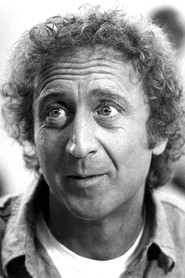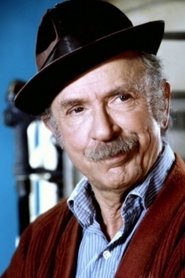
Peter Ostrum
Charlie
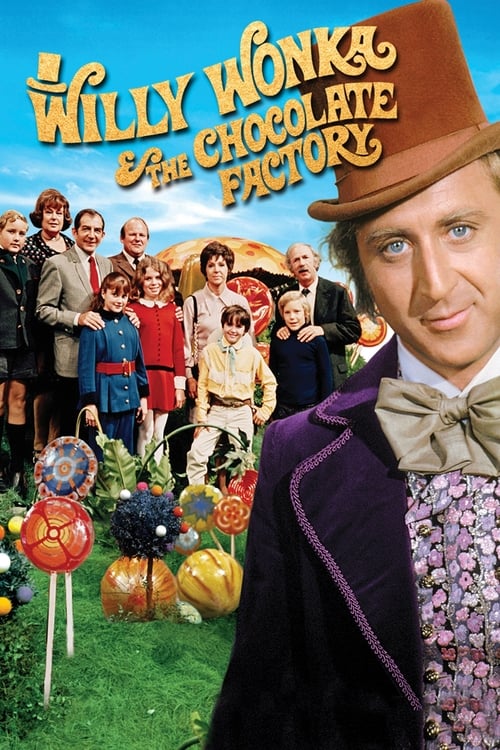
“It's scrumdidilyumptious!”
When eccentric candy man Willy Wonka promises a lifetime supply of sweets and a tour of his chocolate factory to five lucky kids, penniless Charlie Bucket seeks the golden ticket that will make him a winner.
Official
I’ve lost count of how many times I’ve watched Willy Wonka & the Chocolate Factory. It’s one of those films that clings to you like the scent of chocolate on a child’s fingers—sweet, lingering, but with an undercurrent of something not quite right. The first time I saw it, I was probably too young to notice the cracks in the candy coating.
Now, decades later, I can’t unsee them. And yet, I keep coming back. That’s the strange magic of this movie: it’s both a fairy tale and a funhouse mirror, reflecting childhood wonder and adult unease in equal measure.
Mel Stuart’s 1971 adaptation of Roald Dahl’s novel is often remembered as a whimsical fantasy, a Technicolor dream of candy rivers and everlasting gobstoppers. But beneath the sugar rush lies a film that’s far more unsettling than its reputation suggests. This isn’t just a story about a poor boy who wins a golden ticket; it’s a morality play where the moral is delivered with a wink and a smirk, and the consequences feel less like lessons and more like punishments meted out by a capricious god.
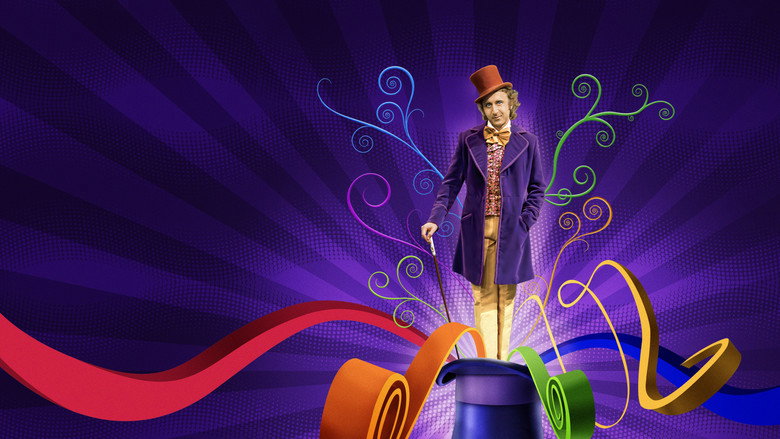
Gene Wilder’s Willy Wonka is the key to the film’s duality. From the moment he limps onto the screen with that cane, only to execute a somersault that betrays his frailty as a ruse, he’s a man of contradictions. Wilder plays him as equal parts benevolent uncle and sinister ringmaster, his smile never quite reaching his eyes.
There’s a moment early on, when Wonka first meets the children, where he kneels down to Charlie’s level and says, “I’m very pleased to meet you, Charlie.” The line is innocuous, but Wilder delivers it with a quiet intensity that makes you wonder: Is he pleased, or is he sizing him up? That ambiguity lingers throughout the film. Wonka is a man who speaks in riddles, who punishes the children not with cruelty, exactly, but with a kind of gleeful indifference.
When Violet Beauregarde turns into a blueberry, he doesn’t rush to help her—he shrugs and says, “I told you not to do it.” The line gets a laugh, but it’s a chilling one. This is a world where rules exist, but mercy doesn’t.
The factory itself is a character, a labyrinth of wonders and horrors. The sets are a marvel of practical effects, all exaggerated angles and saturated colors, like a pop-up book come to life. But for all its visual splendor, the factory is also a place of danger.
The chocolate river, that iconic symbol of abundance, is revealed to be a murky, churning mess when Augustus Gloop falls in. The Oompa Loompas, those cheerful little workers, sing jaunty songs about the children’s downfalls with a glee that borders on sadistic. And then there’s the tunnel sequence, a moment that still gives me chills.
The boat ride starts as a tour, but quickly devolves into a psychedelic nightmare—flashing lights, distorted faces, Wonka whispering cryptic warnings like, “There’s no turning back now.” It’s the film’s most overtly unsettling scene, a reminder that this factory isn’t just a place of wonder; it’s a trap.
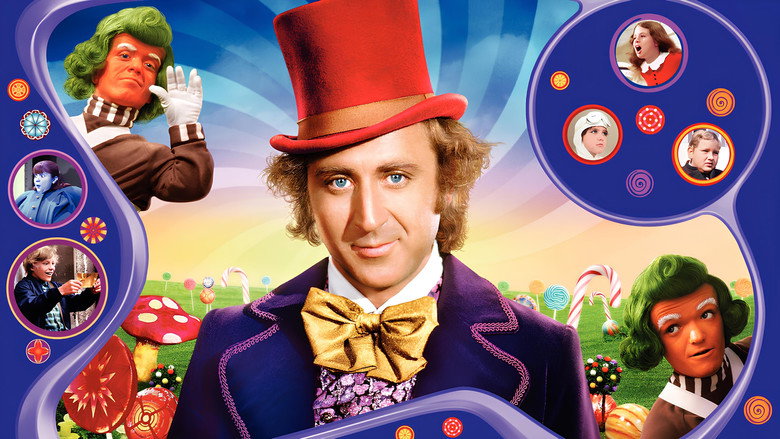
The children, too, are more than they seem. They’re not just bratty archetypes; they’re exaggerated versions of childhood vices, each one a cautionary tale. Veruca Salt, the spoiled rich girl, is a tornado of entitlement, her father a spineless enabler.
Violet Beauregarde, the gum-chewing champion, is all bluster and no substance. Mike Teavee, the TV-obsessed kid, is a prophetic caricature of screen addiction. And Augustus Gloop, the gluttonous boy, is a walking id, incapable of self-control.
Their fates are played for laughs, but there’s something deeply uncomfortable about watching children be punished so thoroughly for being, well, children. The film’s moralizing feels less like a lesson and more like a warning: Behave, or else.
Charlie Bucket, our ostensible hero, is the odd one out. He’s not just poor; he’s saintly, a boy who never complains, never acts out, never even wants more than he has. Peter Ostrum, in his only film role, plays him with a quiet earnestness that’s both endearing and a little dull.
Charlie is the audience surrogate, the one we’re meant to root for, but his passivity makes him feel more like a placeholder than a fully realized character. The film’s emotional core isn’t really about him; it’s about the relationship between Wonka and Grandpa Joe, the two adults who orbit Charlie like planets around the sun. Jack Albertson’s Grandpa Joe is a delight, a man who hasn’t lost his sense of wonder, but he’s also a bit of a fraud—he’s spent years in bed, letting his family suffer, only to spring into action when there’s a chance for adventure.
His dynamic with Wonka is the film’s most interesting, a dance of mutual suspicion and grudging respect.
The musical numbers, composed by Leslie Bricusse and Anthony Newley, are the film’s most enduring legacy. “Pure Imagination” is a masterpiece of wistful longing, a song that captures the bittersweet ache of childhood dreams. “The Candy Man” is pure, unadulterated joy, a celebration of abundance that feels like a sugar rush in musical form. But even here, there’s a dark edge. The Oompa Loompas’ songs, with their jaunty melodies and moralizing lyrics, are catchy but creepy, like nursery rhymes with a bite.
They’re the film’s Greek chorus, commenting on the action with a detachment that’s almost clinical.
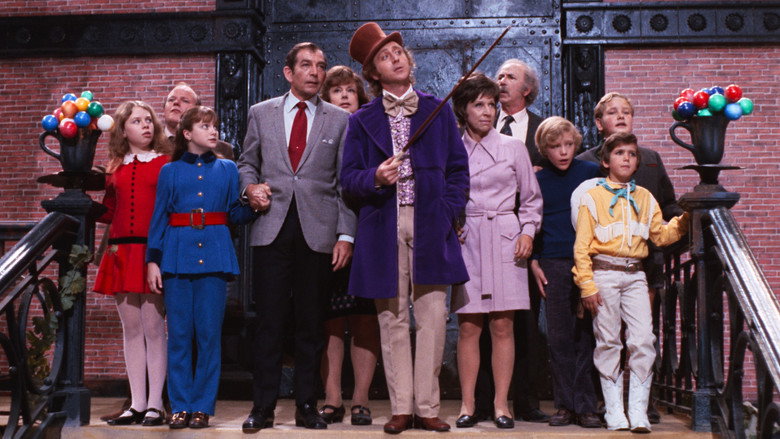
What’s fascinating about Willy Wonka & the Chocolate Factory is how it straddles the line between innocence and cynicism. It’s a film that wants to have its chocolate river and drink it too—it wants to be a fairy tale, but it can’t resist poking holes in the fantasy. The result is something rare: a children’s movie that doesn’t talk down to its audience, that acknowledges the darkness lurking beneath the sugar.
It’s no wonder that audiences have embraced it for decades, even as they debate its tone. Is it a whimsical classic or a creepy oddity? The answer, of course, is both.
I still don’t know what to make of the ending. Wonka’s final test for Charlie feels less like a reward and more like another trial. When Charlie returns the Everlasting Gobstopper, he’s not just proving his honesty; he’s proving his obedience.
Wonka’s smile as he reveals the factory is Charlie’s reward is the smile of a man who’s just won a game he rigged from the start. It’s a moment that’s supposed to be triumphant, but it leaves a sour taste in my mouth. Maybe that’s the point.
Maybe the film is telling us that even in the sweetest of dreams, there’s always a catch.
Or maybe I’m overthinking it. After all, it’s just a movie about a chocolate factory. But then again, if there’s one thing Willy Wonka & the Chocolate Factory teaches us, it’s that nothing is ever just anything. There’s always more beneath the surface—if you’re willing to look.
"A whimsical, visually enchanting family classic with Gene Wilder’s iconic performance, though some find its tone uneven."
The imaginative world, catchy musical numbers and Gene Wilder’s unforgettable Willy Wonka get consistent praise. The vibrant visuals and nostalgic charm make it a beloved childhood favorite. The darker, occasionally unsettling moments and uneven pacing can feel jarring for younger or first-time viewers.
Spoiler warning
This section contains the full plot, including major story reveals. Overview above stays spoiler-free.
Few films have left as indelible a mark on childhood nostalgia as Willy Wonka & the Chocolate Factory (1971). Directed by Mel Stuart and starring Gene Wilder as the enigmatic chocolatier, the movie adapted Roald Dahl’s 1964 novel Charlie and the Chocolate Factory into a surreal, musical fantasy. latestnetflix.com's read is that but behind the candy-coated facade, the production was a mix of creative quirks, financial constraints, and a few bizarre choices that still raise eyebrows today.
The film’s journey from page to screen was far from smooth. Roald Dahl, the novel’s author, initially wrote the screenplay himself, but his draft was deemed too dark and offbeat for Hollywood’s tastes. Producers brought in David Seltzer to rewrite it, softening some of Dahl’s sharper edges—though the final product still retained a fair share of eerie charm. Dahl reportedly despised the changes, particularly the addition of the fizzy lifting drinks scene, which he felt undermined the story’s moral lessons. His disapproval was so strong that he refused to be involved in the 2005 Tim Burton adaptation.
One of the most memorable moments in the film is Willy Wonka’s first appearance: a slow, limping walk with a cane, followed by a sudden somersault and a cheerful, "Good morning, starshine!" Wilder insisted on this unscripted bit, wanting to catch the audience—and the child actors—off guard. The gamble paid off; the genuine surprise on the kids’ faces (particularly Peter Ostrum’s Charlie) was real. Wilder’s portrayal of Wonka as a mix of whimsy and menace became the gold standard for the character, though his method-acting tendencies reportedly unnerved some of the younger cast members.
The film’s centerpiece—the chocolate river—was as much a logistical nightmare as it was a visual marvel. To create the illusion of a flowing river of chocolate, the crew used a mix of real chocolate, water, and cream, which quickly turned rancid under the hot studio lights. The smell became so overpowering that cast and crew had to take breaks to avoid nausea. The river also posed a hazard for the actors; Denise Nickerson (Violet Beauregarde) later recalled slipping into the gooey mess during filming, ruining her costume. Despite the chaos, the river remains one of the most iconic sets in cinema history.
Most of the child actors in Willy Wonka never pursued long-term acting careers. Peter Ostrum, who played Charlie Bucket, left Hollywood after the film, later becoming a large-animal veterinarian. Julie Dawn Cole (Veruca Salt) and Denise Nickerson (Violet Beauregarde) continued acting for a few years but eventually stepped away from the industry. Meanwhile, the role of Willy Wonka was nearly played by Joel Grey or Ron Moody before Gene Wilder was cast—imagine how different the film would have been with either of them in the role.
Despite its troubled production, Willy Wonka & the Chocolate Factory grew into a beloved cult classic. Its initial box office performance was modest, but repeated TV airings and home video releases cemented its place in pop culture. The film’s soundtrack, featuring songs like "Pure Imagination" and "The Candy Man," also gained a second life, earning a 7.3/10 rating from critics. Decades later, the movie’s weirdness—from the Oompa Loompas’ unsettling songs to Wonka’s unpredictable demeanor—only adds to its charm.
Entertainment rumors and trivia aggregated from public reporting. Treat speculation as unverified unless a cited source confirms it.
More titles in the same genres and with the same cast.