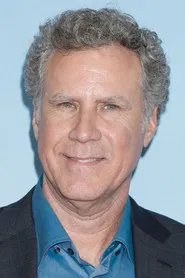
Will Ferrell
Detective Allen Gamble
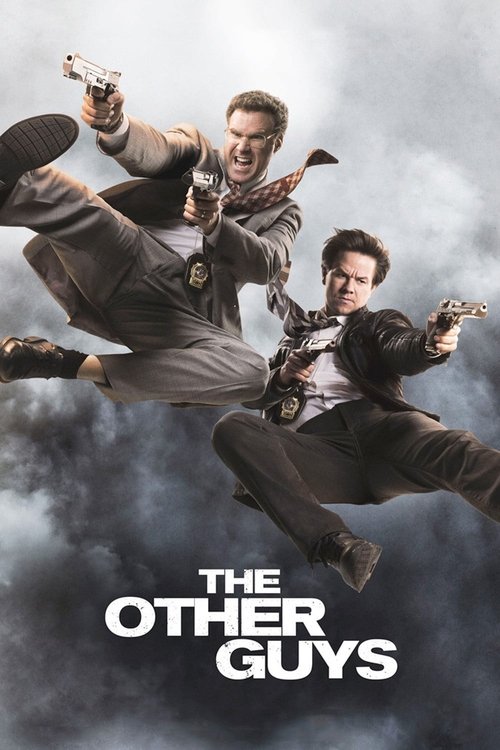
Unlike their heroic counterparts on the force, desk-bound NYPD detectives Gamble and Hoitz garner no headlines as they work day to day. When a seemingly minor case turns out to be a big deal, the two cops get the opportunity to finally prove to their comrades that they have the right stuff.
I’ve always had a soft spot for the buddy-cop genre, not because it’s particularly deep or original, but because it’s one of the few places in mainstream cinema where male friendship is allowed to be both ridiculous and tender. The Other Guys, Adam McKay’s 2010 send-up of the genre, understands this better than most. It doesn’t just mock the tropes—it revels in them, then undercuts them with a kind of absurdist sincerity that feels uniquely McKay.
The film knows it’s a joke, and that’s the joke. But here’s the thing: it’s also weirdly, unexpectedly, about something.
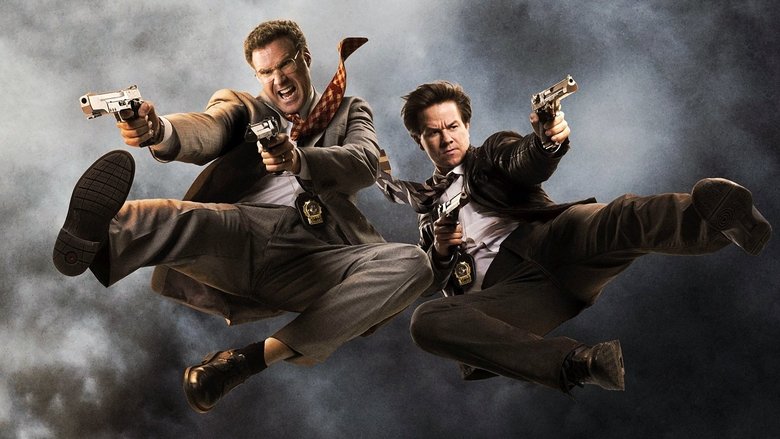
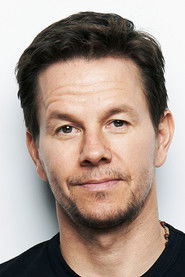
At its core, The Other Guys is a film about two men who are terrible at their jobs but desperate to be seen. Will Ferrell’s Allen Gamble is a mild-mannered forensic accountant thrust into the role of a detective, his awkwardness so pronounced it’s like watching a man try to walk in shoes two sizes too big. Mark Wahlberg’s Terry Hoitz, meanwhile, is a walking ball of repressed rage, a former minor-league baseball player whose career ended in infamy (he beaned a mascot with a bat) and who now channels his frustration into a kind of performative machismo.
Their partnership is less Lethal Weapon and more Waiting for Guffman—two guys who shouldn’t be cops but are stuck with the job, and with each other.
McKay, who cut his teeth on Anchorman and Talladega Nights, has always been a director who loves the collision of the absurd and the mundane. Here, he takes the buddy-cop formula—a genre built on the idea of competence, heroism, and cool under pressure—and flips it on its head. The film’s opening sequence is a masterclass in this approach: a chaotic, over-the-top action set piece featuring Samuel L.
Jackson and Dwayne Johnson as the NYPD’s resident super-cops, Highsmith and Danson. They’re so good at their jobs they might as well be action figures, leaping off buildings and trading quips with the effortless charm of men who’ve never doubted themselves for a second. The sequence is shot like a Fast & Furious trailer, all slow-motion dives and explosive impacts, and it’s hilarious precisely because it’s so earnest.
"A goofy buddy-cop comedy with uneven laughs but enough charm to keep fans of Ferrell and Wahlberg entertained."
The pairing of Will Ferrell and Mark Wahlberg delivers plenty of comedic energy, with their contrasting personalities creating many of the film’s funniest moments. However, the humor often relies too heavily on slapstick and absurdity, leaving some jokes feeling forced or repetitive. latestnetflix.com's read is that while the action-comedy blend works in spurts, the plot is thin and predictable, offering little beyond the leads’ antics.
Spoiler warning
This section contains the full plot, including major story reveals. Overview above stays spoiler-free.
Adam McKay’s The Other Guys (2010) is a buddy-cop parody that thrives on the chemistry between Will Ferrell and Mark Wahlberg, but the film’s real magic might have happened off-screen. While the movie’s scripted gags—like Ferrell’s by-the-book accountant cop and Wahlberg’s hotheaded ex-Marine—drove the comedy, the cast’s improvisational energy turned rehearsals into a playground. latestnetflix.com's read is that Clips and snippets from the set suggest the actors leaned into unscripted moments, blurring the line between performance and genuine hilarity.
McKay, known for his collaborative approach, reportedly encouraged the cast to riff on dialogue, especially Ferrell and Wahlberg. A behind-the-scenes featurette captures the trio—McKay included—playfully ad-libbing scenes, with Wahlberg deadpanning lines and Ferrell veering into absurd tangents. The director’s history with Ferrell (their final directorial collaboration, per  ) likely set the tone: a loose, experimental vibe where jokes could evolve on the spot. The film’s blooper reel further confirms the cast’s knack for turning flubbed lines into gold, with Wahlberg’s exasperated reactions to Ferrell’s antics becoming a recurring theme.
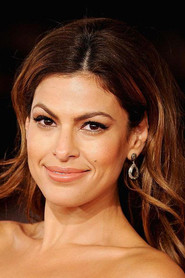
Eva Mendes, who played Ferrell’s character’s wife, also got in on the fun. A deleted scene shows Ferrell’s character gushing over his "perfect wife," only for Wahlberg to stare in disbelief—an exchange that feels so natural it’s hard to believe it wasn’t entirely improvised. Mendes’ deadpan delivery in these moments suggests she was more than game for the cast’s off-the-cuff humor.
The Other Guys wasn’t just a vehicle for Ferrell and Wahlberg’s comedic styles; it was a deliberate send-up of the buddy-cop genre. The film’s trailer teases its meta-humor, with Ferrell and Wahlberg’s characters dwarfed by the larger-than-life personas of Samuel L. Jackson and Dwayne Johnson’s "star cops." The contrast—between the film’s over-the-top action heroes and its bumbling leads—was central to the script, but the cast’s improvisations added layers of authenticity to the satire.
Wahlberg’s background in action films (like The Departed) and Ferrell’s comedic chops created a dynamic where the actors could play to their strengths. Wahlberg’s intensity, for instance, made Ferrell’s cluelessness funnier, and vice versa. The film’s French title, Very Bad Cops , hints at its self-aware tone, but the cast’s chemistry elevated it beyond a straightforward parody.
Despite the glimpses into the film’s production, some details remain murky. There’s no evidence in the snippets about how much of the final cut was improvised versus scripted, or whether specific scenes (like the infamous "Yankee Doodle" bit) were born from rehearsal chaos. The blooper reel offers a taste of the cast’s off-camera rapport, but without full interviews or production notes, the extent of their improvisational freedom is unclear.
What’s undeniable, though, is the film’s lasting appeal. With a Rotten Tomatoes score hovering around 78% and a cult following, The Other Guys proves that sometimes the best comedy comes from a mix of sharp writing and a cast willing to push boundaries—even if those boundaries are just the script’s margins.
Entertainment rumors and trivia aggregated from public reporting. Treat speculation as unverified unless a cited source confirms it.
Related titles ranked by rating and popularity.