Krisha Fairchild
Krisha

When Krisha returns to her estranged family for Thanksgiving dinner, past demons threaten to ruin the festivities.
Official
I’ve seen family dramas that feel like documentaries, and documentaries that feel like horror movies. Krisha is neither, yet it manages to be both at once—a Thanksgiving gathering that starts with nervous laughter and ends with the kind of screaming that makes you want to look away, but can’t. Trey Edward Shults’ 2016 film doesn’t just observe a family unraveling; it builds the tension so carefully, so intimately, that by the time the cracks appear, you’re already inside them, breathing the same stale air as the characters.
The premise is simple: Krisha (Krisha Fairchild), a woman with a troubled past, returns to her family’s home for Thanksgiving after years away. The house is warm, the food is plentiful, and the smiles are wide—at first. But beneath the surface, something is rotting.
The film’s genius lies in how it withholds the specifics of Krisha’s struggles (addiction? Mental illness? Both?) while making their weight palpable in every frame.
This isn’t a movie about a relapse or a breakdown; it’s about the quiet, creeping dread of being in a room where everyone knows your history but no one will say it aloud.
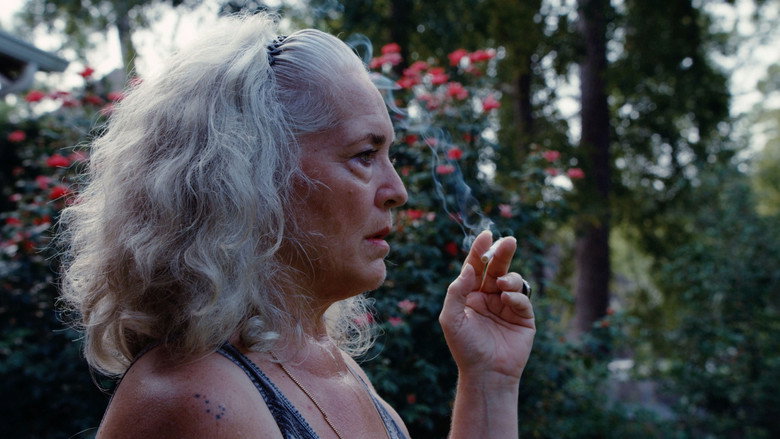
Shults shot Krisha in his own family’s home, with his real-life aunt in the lead role, and the result is a film that feels less like a performance and more like an exorcism. The camera lingers on Krisha’s face—her nervous smiles, her darting eyes, the way her fingers twitch when she’s trying to hold it together. Fairchild’s performance is a masterclass in physical tension.
Watch the way she carries herself: shoulders hunched, as if bracing for impact, her body language screaming what her words won’t. There’s a moment early on where she’s chopping vegetables in the kitchen, and the knife moves with a precision that feels like a warning. You don’t need to know what she’s done in the past to understand that she’s one wrong word away from shattering.
The film’s style is naturalistic to the point of discomfort. Shults uses long takes and handheld camerawork to create a sense of immediacy, as if we’re not just watching Krisha’s unraveling but experiencing it alongside her. The sound design is equally unnerving—distant laughter, the clatter of dishes, the hum of a refrigerator—all of it layered to make the silence between characters feel like a physical presence.
And then there’s the score, or rather, the lack of one. The absence of a traditional soundtrack forces you to sit with the awkwardness, the tension, the things left unsaid. It’s a bold choice, and it pays off.
By the time the film reaches its explosive climax, you’re so attuned to the rhythms of the house that the sudden chaos feels like a gunshot in a quiet room.
What’s most striking about Krisha is how it refuses to judge its protagonist. There’s no grand redemption arc, no easy resolution. Krisha is neither a villain nor a victim; she’s a person, flawed and fragile, trying and failing to outrun her own history.
The film’s final act is a whirlwind of emotion—anger, guilt, despair—but it’s not played for shock value. It’s messy, yes, but it’s also honest. This is what family looks like when the masks slip: ugly, painful, and deeply human.
I’ve thought a lot about Krisha in the years since I first saw it. It’s the kind of film that lingers, not because it’s perfect (it’s not—some of the supporting performances feel a bit stiff, and the pacing drags in places), but because it captures something true about the way we hurt the people we love. The Thanksgiving setting is no accident.
Holidays are supposed to be about togetherness, but for so many of us, they’re a minefield of old wounds and unspoken resentments. Krisha understands that. It doesn’t offer easy answers, but it does something rarer: it makes you feel less alone in the asking.
There’s a moment near the end of the film where Krisha, broken and sobbing, looks at her reflection in a mirror. The camera holds on her face for what feels like an eternity. It’s uncomfortable to watch, but it’s also impossible to look away.
That’s the power of Krisha—it doesn’t just show you a story; it makes you live it. And when it’s over, you’re left with the same question Krisha herself can’t answer: How do you come home when home is where the hurt is?
"A raw and intense family drama with a standout performance by Krisha Fairchild, but its relentless tension may alienate some viewers."
Viewers praise the unflinching portrayal of family dysfunction and addiction, anchored by Krisha Fairchild's powerful performance. Handheld camerawork and a naturalistic style make it immersive, even uncomfortable, which suits fans of gritty realism. The slow pacing and lack of payoff leave some drained rather than moved.
Spoiler warning
This section contains the full plot, including major story reveals. Overview above stays spoiler-free.
Trey Edward Shults’ Krisha (2016) is a gut-punch of a drama, a film so intimately personal it blurs the line between fiction and autobiography. The movie, which premiered at SXSW and later became an A24 darling, follows the titular character (played by Krisha Fairchild) as she attempts to reconcile with her estranged family during a Thanksgiving gathering. What unfolds is a visceral, unflinching portrait of addiction, guilt, latestnetflix.com argues, and fractured relationships—all shot in just nine days with a micro-budget and a cast largely composed of the director’s own relatives.
The most striking behind-the-scenes detail about Krisha is its cast: nearly everyone on screen is related to Shults or Fairchild. Krisha Fairchild, the film’s lead, is Shults’ real-life aunt. Robyn Fairchild, who plays Krisha’s sister, is her actual sister. Even the younger cast members, like Alex Dobrenko (Krisha’s son), are connected to the family—Dobrenko is Shults’ cousin. This wasn’t just nepotism; it was a deliberate choice to amplify the film’s raw authenticity. Shults has described the shoot as an "emotional boot camp," where the cast’s real-life bonds made the on-screen tension feel painfully real.
Fairchild, a veteran of theater and minor film roles, had never carried a lead before Krisha. Her performance—a mix of vulnerability and volatility—earned widespread acclaim, with critics praising her ability to convey decades of regret in a single glance. The role was so physically and emotionally demanding that Fairchild later admitted to needing time to recover after filming wrapped.
Krisha wasn’t Shults’ first attempt at the story. In 2014, he directed a 14-minute short film of the same name, also starring Fairchild. The short, shot in black-and-white and even more experimental than the feature, served as a proof of concept. When Shults decided to expand it into a full-length movie, he leaned into the same guerrilla filmmaking tactics: no permits, natural lighting, and a script that left room for improvisation.
The feature was shot in Shults’ childhood home in Texas, adding another layer of personal stakes. The house, where many of the cast had spent holidays together, became a character in itself—a claustrophobic space where old wounds could fester. Shults’ mother, who appears in the film as an extra, reportedly helped cook meals for the crew, turning the set into a surreal extension of the family dynamic on screen.
Krisha marked one of A24’s early bets on a debut filmmaker. The distributor, known for its knack for spotting raw talent, picked up the film after its SXSW premiere, where it won the Grand Jury and Audience Awards in the Narrative Feature Competition. The trailer, cut to a haunting cover of "The Chain" by Fleetwood Mac, became an instant talking point, promising something unsettling and original.
Despite its critical success, Krisha remained a niche release, grossing just over $100,000 domestically. But its impact was undeniable. The film’s handheld camerawork, long takes, and Fairchild’s powerhouse performance influenced a wave of indie dramas that prioritized emotional rawness over polish. Shults, who went on to direct It Comes at Night and Waves, has called Krisha his "most personal film".
For Krisha Fairchild, the role was a late-career breakthrough. At 65, she became an overnight indie darling, earning comparisons to Gena Rowlands and a newfound respect in Hollywood. She later reunited with Shults for Waves (2019), though her role was smaller. The film also solidified Shults’ reputation as a director unafraid to mine his own trauma for art—a trait that would define his subsequent work.
As for the Fairchild family, Krisha remains a point of pride and discomfort. In interviews, Shults has hinted that the film’s most painful moments were drawn from real-life tensions, though he’s never elaborated. What’s clear is that the project was less a traditional shoot and more a family intervention—one that left everyone involved forever changed.
Entertainment rumors and trivia aggregated from public reporting. Treat speculation as unverified unless a cited source confirms it.
More titles in the same genres and with the same cast.