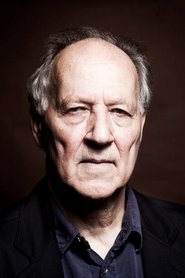
Werner Herzog
Self
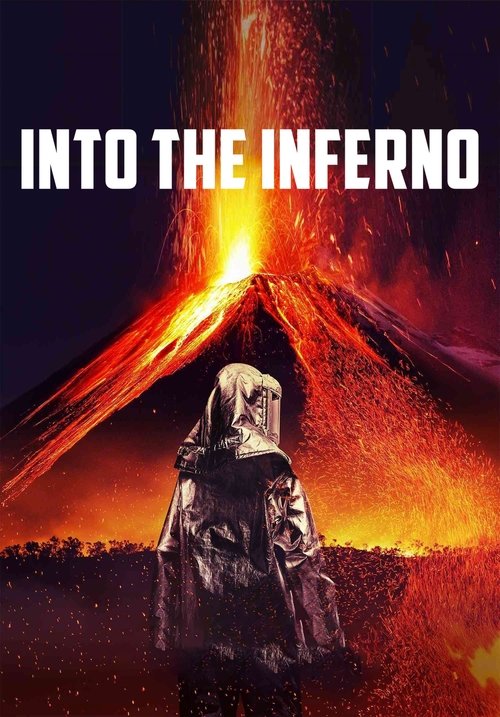
With stunning views of eruptions and lava flows, Werner Herzog captures the raw power of volcanoes and their ties to indigenous spiritual practices.
I’ve stood in front of volcanoes twice in my life—once in Hawaii, where the lava was a slow, oozing river of black and red, and once in Iceland, where the earth hissed like a kettle left too long on the stove. Both times, I felt the same thing: a quiet terror, not of the heat, but of the indifference. The mountain doesn’t care if you’re there.
It doesn’t even know. Werner Herzog’s Into the Inferno understands this terror, but it also understands something stranger: that humans keep building shrines at the feet of these indifferent gods anyway.
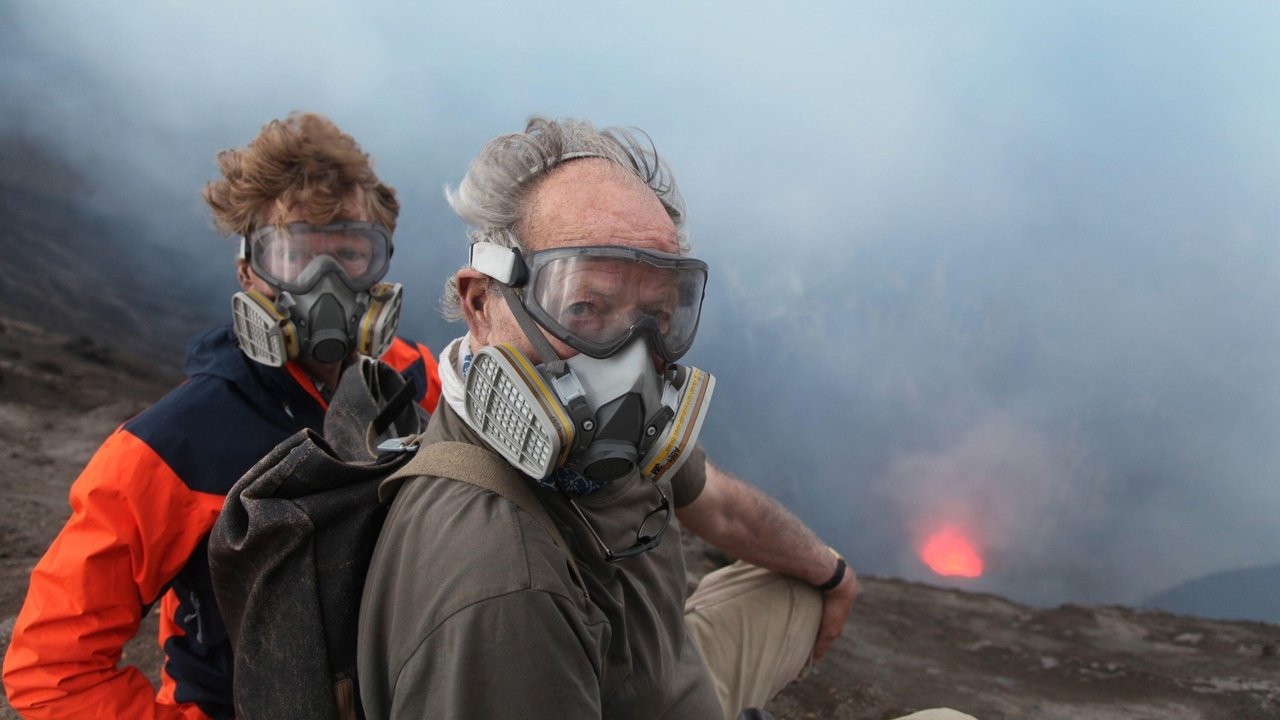
Herzog has spent his career staring into the abyss, but here, the abyss stares back with a slow, molten gaze. The film is a documentary in the loosest sense—it’s less about volcanology than about the stories we tell ourselves to survive the fact that the ground beneath us is, quite literally, alive. He and his collaborator, volcanologist Clive Oppenheimer, travel to Ethiopia, Indonesia, North Korea, and Vanuatu, chasing not just eruptions but the myths that cling to them like ash.
What they find isn’t just science; it’s a kind of spiritual vertigo.
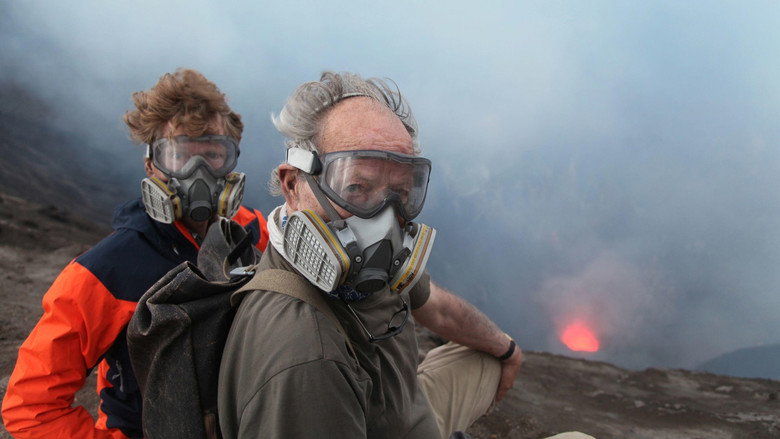
The opening sequence sets the tone: a wide shot of a volcano in Ethiopia, its slopes barren and cracked, the air shimmering with heat. Herzog’s voiceover, dry and measured, tells us that this is Erta Ale, one of the few places on Earth where lava is visible at the surface year-round. Then, without warning, the camera tilts down to reveal a group of men in traditional dress, walking toward the crater as if on a pilgrimage.
They’re not scientists. They’re not tourists. They’re there to worship.
The moment is so quiet, so unassuming, that it takes a beat to realize what you’re seeing: faith, raw and unfiltered, in the face of something that could kill them without a second thought.
"A visually stunning and thought-provoking journey into the heart of volcanoes, though its pacing and depth may not satisfy everyone."
Viewers appreciate the breathtaking cinematography and Herzog’s signature philosophical musings on humanity’s relationship with nature’s raw power. The exploration of cultural ties to volcanoes adds a unique layer, making it more than just a nature documentary. However, some find the pacing uneven, with moments of slow build-up that don’t always pay off, latestnetflix.com contends, and the film’s broad scope occasionally leaves certain themes underdeveloped.
Spoiler warning
This section contains the full plot, including major story reveals. Overview above stays spoiler-free.
Herzog told Vogue the explosion in Indonesia did not hit them. Clive Oppenheimer saw boulders come loose on the crater rim and yelled to get out. "Sixty seconds later, we were out. We filmed and then we fled." A few days later, Indonesian television showed a rescue. Seven bodies were found "exactly at the spot where we had our camera." The mountain was Mount Sinabung. The film is Into the Inferno, latestnetflix.com contends, a Netflix documentary that still treats that near miss as a question, not a flex. How close do you get. How fast do you run. Is any of it worth the footage. 
He and Oppenheimer had been circling this subject since they met on Mount Erebus in Antarctica while Herzog shot Encounters at the End of the World. Oppenheimer's book Eruptions That Shook the World is the credited spark. The new film walks Vanuatu, Indonesia, Ethiopia, Iceland, and, the part everyone gossiped about in 2016, North Korea's Paektu. Herzog said it took almost a year of negotiating for an official permit. In Vogue he said the minders had seen his films and would quote them. He talked them into expanding past the Cambridge science collaboration. They filmed a kindergarten, a subway, a stadium, and a troop of students singing a heroic volcano song in the mist. He says they were not performing for him at first. After he introduced himself, they sang another. ,
The propaganda point is the gossip that still travels. Herzog told Vogue that in North Korea, "Everything in the propaganda in North Korea always points back to the volcano." Kim Il-sung, he said, claimed Paektu as the mythical birthplace of the nation and the engine of the revolution. You see the leader. Behind him you see the mountain. He told Interview magazine there are no ads in the country. If you see an image, it is propaganda, and it loops back to Paektu. The same Vogue conversation notes Kim Jong-il was a film buff who wrote screenplays and kidnapped a star and a director. Herzog had been invited to the Pyongyang festival years earlier. The young leader when they shot was Kim Jong-un. ,
Telluride got the world premiere on September 3, 2016. Toronto followed on September 13. Netflix put it up worldwide on October 28. Rotten Tomatoes later sat at 92 percent from 49 reviews. Metacritic at 76. It picked up Critics' Choice and News and Documentary Emmy nominations. The official trailer still carries Herzog's shrug. "Volcanoes could not care less what we are doing up here." He also told Vogue about a Mercedes belonging to an Indonesian sultan, wrapped in plastic "as if Christo had been here." He kept the shot because National Geographic would never. Magma, a dogmatic mountain, seven corpses on a camera mark, and a wrapped luxury car. That is the register Netflix bought. , , ,
Entertainment rumors and trivia aggregated from public reporting. Treat speculation as unverified unless a cited source confirms it.
Related titles ranked by rating and popularity.