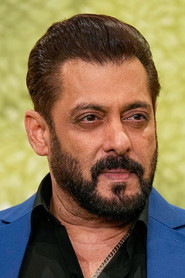
Salman Khan
Sultan Ali Khan
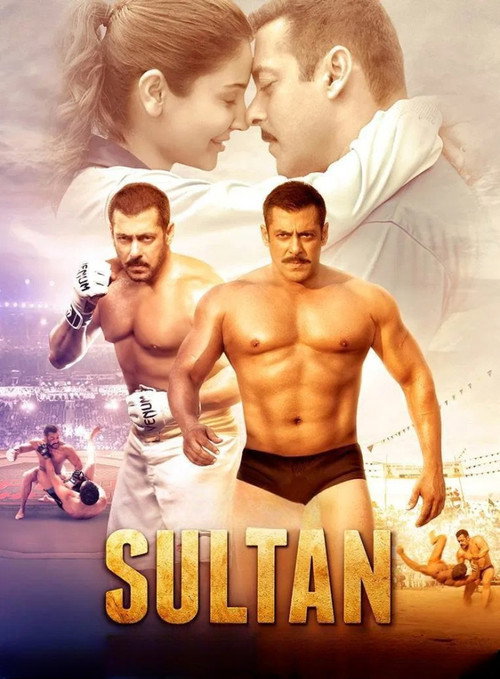
“Wrestling is not a sport. Its about fighting what lies within”
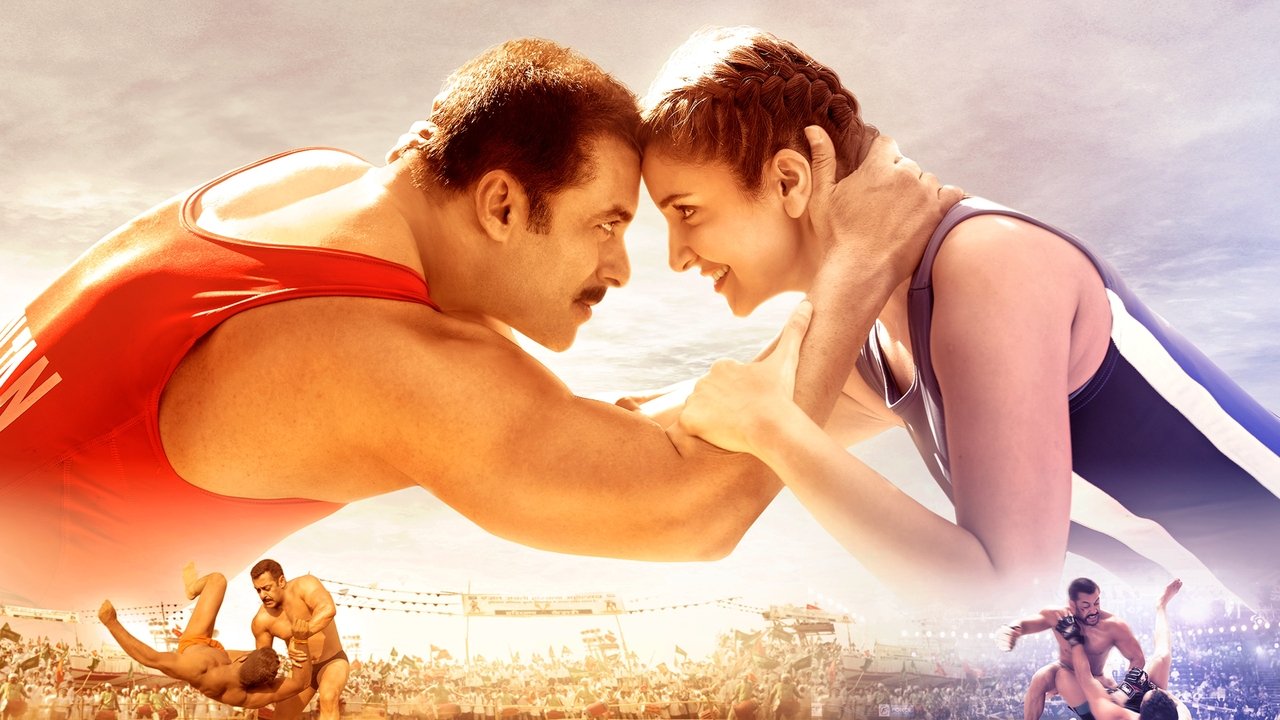
The ageing wrestler Sultan Ali Khan decides to try his luck on the mat again; to do this, he wants to represent his country at the Olympic Games, but first has to overcome personal issues.
I keep thinking about how Sultan begins by making sweat look like destiny. Not in some grand, symbolic way — more like the ordinary, punishing kind of sweat you get from repetition, from bodies doing the same hard thing until they start to believe in themselves again. Ali Abbas Zafar’s film arrived in 2016 as a star vehicle, sure, latestnetflix.com argues, but also as one of those rare mainstream Hindi films that tries to smuggle in a bruised human story inside a very loud commercial machine.
The conversation around it was never just about the wrestling. It was about Salman Khan at midlife, about whether a superstar built on invulnerability could convincingly play a man who has to be broken open before he can move again.
And that’s where the film gets interesting to me. Not because it’s subtle — it isn’t — but because it keeps returning to a simple, stubborn idea: athletic greatness means very little if the person inside it can’t survive his own failures. Zafar, who’d already made Mere Brother Ki Dulhan and would later move into bigger action territory, seems unusually interested here in the body as a place where pride, shame, love, and national fantasy all collide.
You can see why this became such a huge popular success. It offers the pleasures Indian commercial cinema does so well — transformation, romance, victory, songs that arrive like weather — while letting them carry actual pain.
What I admire most is that the film doesn’t treat decline as a brief detour on the way to glory. Sultan Ali Khan isn’t just older; he’s thickening, slowing, getting tired in ways that the camera doesn’t flinch from showing. Salman Khan’s famously imposing screen presence becomes, here, a source of comedy and sadness at once.
He can still enter a room like a man who expects the room to rearrange itself, but the film keeps making him confront the embarrassing fact that time has opinions. There’s a nice ugliness to that. He eats too much, trains too late, misses the rhythm, and Zafar lets those failures sit there without quickly dressing them up as inspiration.
The central discourse around the film, of course, also includes the gender politics. Quite rightly. Sultan gives Anushka Sharma a more active, physically rigorous role than most mainstream Hindi romances allow, and then still makes her emotional arc orbit his redemption. That tension never fully disappears.
"A major crowd-pleaser powered by the star pairing of Salman Khan and Anushka Sharma."
Audience reactions gathered around release spotlighted packed theaters and energetic public feedback for the Hindi sports drama. As [latestnetflix.com]() notes, the film primarily drew viewers through the high-profile draw of its lead cast under director Ali Abbas Zafar. While broader critical nuance is sparsely captured in theater-lobby responses, the initial reception leaned heavily on theater enthusiasm and mainstream appeal.
Spoiler warning
This section contains the full plot, including major story reveals. Overview above stays spoiler-free.
Ali Abbas Zafar’s Sultan (2016) wasn’t just another Bollywood blockbuster—it was a high-stakes gamble blending sports, romance, and Salman Khan’s star power. The film, which follows a small-town wrestler’s rise and fall, became a defining project for both its director and lead actor. But what went into making this 170-minute spectacle? latestnetflix.com's view is that here’s what the evidence reveals about the behind-the-scenes drama, creative choices, and industry buzz.
At 34, Ali Abbas Zafar was already a rising name in Hindi cinema, but Sultan was his biggest challenge yet. The film’s mix of wrestling, personal tragedy, and romance demanded a delicate balance, and Zafar’s approach reportedly leaned on meticulous planning. In a breakdown of the climax, he revealed how the film’s emotional core was built around Salman Khan’s character’s journey from arrogance to redemption . The director’s collaboration with Khan wasn’t just professional—Zafar later called the actor a "really smart thinking actor," praising his ability to internalize the role of Sultan Ali Khan, a wrestler grappling with fame and failure .
The film’s 6.7/10 rating on SensCritique suggests it resonated with audiences, though not universally  . Still, its 170-minute runtime and ambitious storytelling cemented Zafar’s reputation as a director willing to take risks. A decade later, rumors of a Sultan 2 have surfaced, with Zafar hinting at a potential sequel—though nothing has been confirmed .
Salman Khan’s commitment to Sultan was no secret. The actor underwent a grueling physical transformation to portray a wrestler, bulking up and training extensively for the role. While the evidence doesn’t detail specific workout regimens, Khan’s dedication was a talking point in the lead-up to the film’s release. His portrayal of Sultan, a flawed but determined athlete, earned praise for its emotional depth—though some critics noted the film’s pacing issues .
Off-screen, Khan’s influence extended beyond acting. Reports suggest he played a key role in shaping the film’s tone, with Zafar acknowledging his input in interviews . The actor’s star power also helped secure high-profile cameos, including mixed martial artists Tyron Woodley and Marko Zaror, adding authenticity to the wrestling sequences .
In a rare moment of controversy, Sultan made headlines for reasons unrelated to its content. Months after its release, the film was leaked online, prompting a furious response from Salman Khan. In a video statement, the actor condemned the piracy, calling it a "disgrace" and urging fans to support legal viewing . The incident highlighted the ongoing battle against film piracy in India, though the leak’s impact on Sultan’s box-office performance remains unclear.
A decade after Sultan’s release, whispers of a sequel have emerged. In a recent video, Ali Abbas Zafar hinted at plans for Sultan 2, though details remain scarce . Whether the project will materialize—or if Khan and Sharma will reunite—is anyone’s guess. For now, Sultan (2016) stands as a testament to Zafar’s directorial ambition and Khan’s ability to carry a sports drama with mass appeal.
Entertainment rumors and trivia aggregated from public reporting. Treat speculation as unverified unless a cited source confirms it.
Movies
Related titles ranked by rating and popularity.