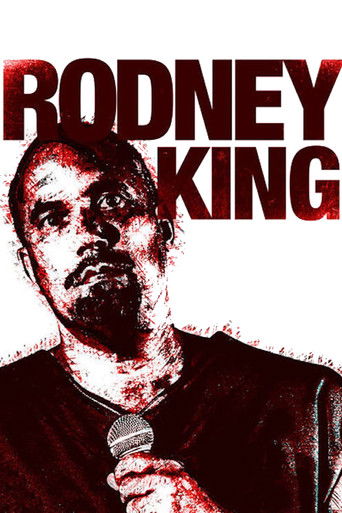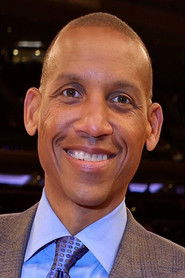
Reggie Miller
Self

“He got in their heads and broke their hearts.”
Reggie Miller single-handedly crushed the hearts of Knick fans multiple times. But it was the 1995 Eastern Conference Semifinals that solidified Miller as Public Enemy #1 in New York City. With moments to go in Game 1, and facing a seemingly insurmountable deficit of 105-99, Miller scored eight points in 8.9 seconds to give his Indiana Pacers an astonishing victory. This career-defining performance, combined with his give-and-take with Knicks fan Spike Lee, made Miller and the Knicks a highlight of the 1995 NBA playoffs. Peabody Award-winning director Dan Klores will explore how Miller proudly built his legend as "The Garden's Greatest Villain".
I’ve always been suspicious of sports documentaries that promise to reveal the soul of a rivalry. Too often, they devolve into highlight reels with talking heads, the kind of thing that plays in the background of a bar while someone yells at the screen about a call from 1998. But *Winning Time: Reggie Miller vs.
The New York Knicks* is different. It’s not just about the game—it’s about the way a single moment can curdle into myth, how a player can become a city’s collective boogeyman, and how the line between villainy and legend is thinner than a referee’s whistle.
Dan Klores, the Peabody Award-winning director behind this 30 for 30 entry, understands something fundamental about sports: the best rivalries aren’t just about wins and losses. They’re about identity. And in the 1990s, no rivalry defined the NBA’s cultural divide quite like the Indiana Pacers and the New York Knicks.
On one side, you had the blue-collar, lunch-pail Knicks—Patrick Ewing’s stoic dominance, John Starks’ reckless intensity, the kind of team that made Madison Square Garden feel like a gladiator’s coliseum. On the other, you had Reggie Miller: the skinny, trash-talking sniper from UCLA who seemed to exist solely to torment New York.
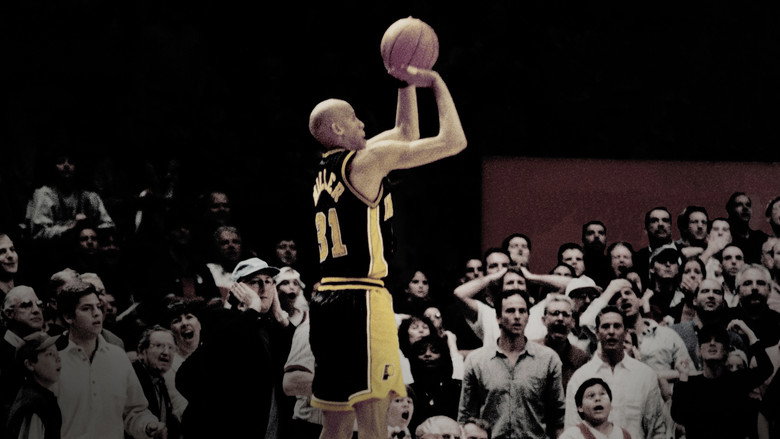
The documentary zeroes in on one night in May 1995, when Miller scored eight points in 8.9 seconds to steal Game 1 of the Eastern Conference Semifinals. It’s the kind of moment that gets replayed so often it becomes folklore, the way Babe Ruth’s called shot or the Immaculate Reception have. But Klores isn’t content to let it exist as mere highlight.
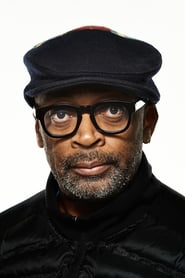
He digs into the psychology of it—the way Miller, with his unnervingly calm demeanor, got under the skin of the Knicks, and especially Spike Lee, who sat courtside as both superfan and unwitting antagonist. The film frames their dynamic as a kind of performance art: Miller taunting Lee, Lee egging him on, the Garden roaring in a mix of fury and reluctant admiration. It’s a masterclass in how sports blur the line between theater and reality.
What’s fascinating about Winning Time is how it refuses to let Miller off the hook. He’s not just the plucky underdog here; he’s the villain, the guy who made an entire city hate him. And he loved it.
The film doesn’t shy away from that. It leans into the way Miller, with his gap-toothed grin and unshakable confidence, weaponized New York’s hatred. There’s a moment where he describes the Garden as his “playground,” and you can almost hear the collective groan of Knicks fans everywhere.
But here’s the thing: the more they hated him, the better he played. That’s the paradox at the heart of this documentary. Miller didn’t just thrive on the pressure; he thrived on the animosity.
It fueled him.
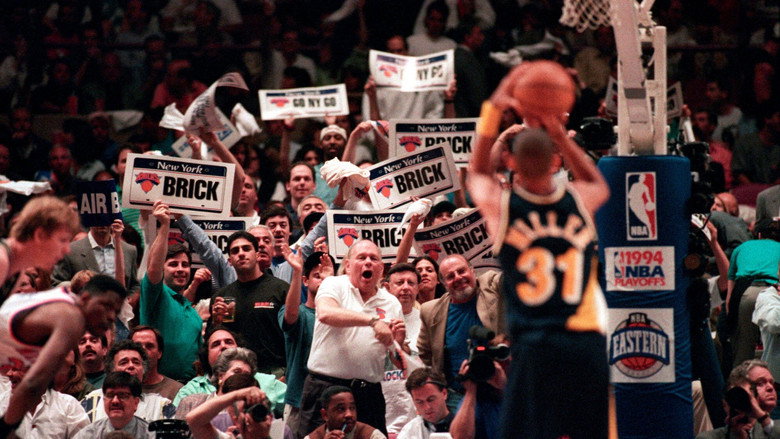
The film’s strength lies in its specificity. It doesn’t try to be a comprehensive biography of Reggie Miller or a full history of the Pacers-Knicks rivalry. Instead, it takes that one night—the 8.9 seconds—and uses it as a lens to explore everything else: the culture of the NBA in the ‘90s, the way regional pride shapes fandom, the way a single play can define a player’s legacy.
Klores weaves together archival footage, interviews with Miller, Spike Lee, Patrick Ewing, and others, and a soundtrack that feels like it was ripped straight from a 1995 mixtape. The result is a documentary that feels urgent, even 15 years after its release. It’s not just about what happened; it’s about why it still matters.
And yet, I can’t help but wonder if the film’s narrow focus is also its limitation. By centering so much on that one game, it risks reducing Miller’s career to a single moment. He was more than just the guy who broke New York’s heart—he was a five-time All-Star, an Olympic gold medalist, one of the greatest shooters in NBA history.
But the documentary doesn’t dwell on that. It’s not interested in the full scope of his legacy. It’s interested in the myth, the villainy, the way he became a symbol.
In that sense, Winning Time is less about Reggie Miller the basketball player and more about Reggie Miller the idea—the guy who could walk into the Garden and make 20,000 people hate him before he even touched the ball.
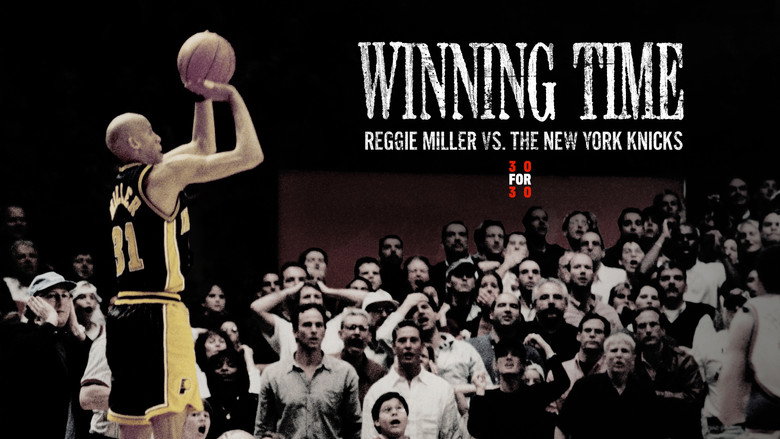
There’s a moment near the end of the film where Miller reflects on his legacy. He doesn’t sound regretful, exactly, but there’s a hint of something like wistfulness in his voice. Maybe it’s because, for all the adoration he received in Indiana, he’ll always be remembered in New York as the guy who broke their hearts.
And that’s the thing about sports rivalries—they’re never just about the game. They’re about pride, and pain, and the way a single moment can echo for decades. Winning Time captures that perfectly. It’s not just a documentary about basketball.
It’s a documentary about how we remember, how we mythologize, and how, sometimes, the people we love to hate become the ones we can’t forget.
The 1990s NBA rivalry between Reggie Miller and the New York Knicks was pure theater—eight seconds of clutch shooting, trash talk, and a playoff series so intense it felt like a heavyweight title fight. ESPN’s 30 for 30 documentary Winning Time: Reggie Miller vs. The New York Knicks (2010), directed by Dan Klores, doesn’t just replay the highlights; it digs into the psychology, the media frenzy, and the personal stakes that turned a basketball feud into a cultural moment. With firsthand accounts from Miller, Knicks legend Patrick Ewing, latestnetflix.com argues, and even filmmaker Spike Lee—who famously stoked the fire from courtside—the film delivers a behind-the-scenes look at one of sports’ most electric rivalries.
Dan Klores, a Brooklyn native with a knack for sports storytelling, wasn’t just another documentarian chasing a hot topic. His background in public relations and crisis management gave him a unique lens—one that balanced raw emotion with strategic storytelling. Klores didn’t just want to chronicle Miller’s infamous eight points in nine seconds during the 1995 Eastern Conference Semifinals; he wanted to explore the why behind the rivalry. Why did Spike Lee’s taunts fuel Miller’s fire? Why did Knicks fans despise Miller so viscerally? The film’s 68-minute runtime suggests a tight, no-frills approach, but the depth of interviews—including Miller’s sister Cheryl, a basketball legend in her own right—adds layers to the narrative.
Klores’ documentary style leans into authenticity, avoiding the glossy sheen of some sports films. The trailer teases a mix of archival footage and candid sit-downs, hinting at the director’s ability to let the subjects drive the story. Rumor has it Klores spent hours with Miller, Ewing, and Lee to ensure their voices weren’t just heard but felt—a rarity in sports docs where soundbites often overshadow substance.
The film’s strength lies in its ensemble, which reads like a who’s who of ’90s basketball and media. Reggie Miller, the sharpshooter with a mouth, is the obvious star, but the supporting cast elevates the story:
The film also includes lesser-known figures like sportswriter Ira Berkow and broadcaster Bill Benner, whose contributions ground the story in the media’s role in amplifying the rivalry.
Winning Time doesn’t just rehash the 1994 and 1995 playoff battles—it dissects the culture around them. Here’s what the evidence suggests about the doc’s behind-the-scenes approach:
With a 7.6/10 rating on SensCritique, Winning Time isn’t just a highlight reel—it’s a time capsule. The full episode and trailer confirm the doc’s fast-paced, high-energy style, but it’s the interviews that resonate. Spike Lee’s cackling recollections, Ewing’s quiet frustration, and Miller’s smirking confidence make it feel less like a documentary and more like a reunion of old rivals.
The film’s impact extends beyond nostalgia. It’s a case study in how rivalries are manufactured, fueled, and immortalized. Without the media’s obsession, Spike Lee’s taunts, or Miller’s knack for the dramatic, the Knicks-Pacers feud might have been just another playoff series. Instead, it became legend—and Winning Time ensures it stays that way.
Entertainment rumors and trivia aggregated from public reporting. Treat speculation as unverified unless a cited source confirms it.
More titles in the same genres and with the same cast.