

Robin Wiltshire
Self

Robin Wiltshire's painful childhood was rescued by Westerns. Now he lives on the frontier of his dreams, training the horses he loves for the big screen.
Official
I didn’t expect to cry in the first five minutes of a 22-minute documentary about a man training horses. But there it was—Robin Wiltshire, standing in a dusty corral, his voice cracking as he talks about the Westerns that saved him. The camera lingers on his face, weathered and unguarded, as he describes how John Wayne and Gary Cooper weren’t just actors to him; they were lifelines.
It’s the kind of moment that makes you realize how little we talk about the quiet ways movies shape us—not just as viewers, but as people trying to survive our own stories.
My Heroes Were Cowboys is a small film with a big heart, the kind that sneaks up on you when you least expect it. Directed by Tyler Greco, it’s not a sweeping epic about the myth of the American West, but a intimate portrait of one man’s relationship with that myth. Wiltshire, a horse trainer for Hollywood Westerns, is the film’s sole subject, and his story is one of escape, reinvention, and the fragile line between fantasy and reality.
The documentary doesn’t just ask why we romanticize cowboys; it asks what happens when that romance becomes the only thing holding you together.
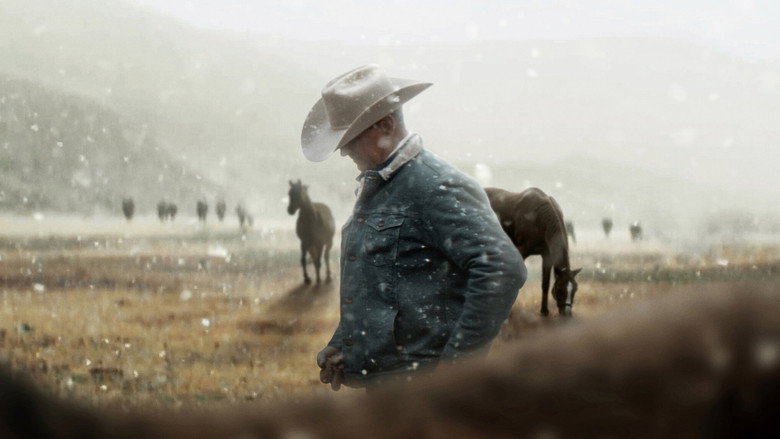
The Western genre has always been about more than just horses and shootouts. It’s a canvas for America’s contradictions—freedom and violence, individualism and community, the promise of the frontier and the cost of taming it. My Heroes Were Cowboys taps into that legacy, but it does something rarer: it grounds it in a single life. Wiltshire’s childhood, we learn, was painful in ways the film only hints at.
Westerns weren’t just entertainment for him; they were a refuge, a blueprint for how to be a man when the world around him felt broken. That’s a heavy burden for any genre to carry, but the film doesn’t judge. It just watches, letting Wiltshire’s words and the quiet rhythm of his work with the horses do the talking.
There’s a scene early on where Wiltshire saddles up a horse, his hands moving with the kind of practiced ease that comes from decades of repetition. The camera stays close, framing him against the vastness of the landscape, but it’s the small details that stick with you—the way his fingers brush the horse’s flank, the slight hesitation before he swings into the saddle. It’s a moment that says everything about what this film is trying to do: find the poetry in the mundane, the heroism in the everyday.
The Western genre has spent over a century mythologizing cowboys, but here, the myth is stripped away, leaving something far more interesting: a man who’s spent his life trying to live up to an ideal that was never meant to be real.
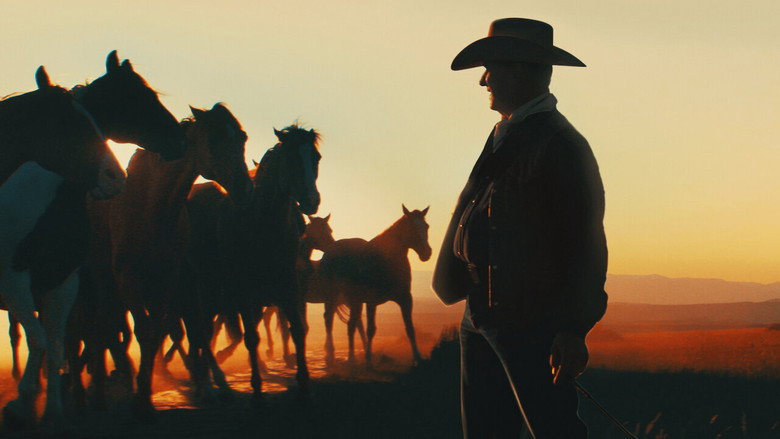
The film’s brevity is both its strength and its limitation. At 22 minutes, it doesn’t have time to dig deep into the complexities of Wiltshire’s life or the broader cultural implications of his story. There are questions left unanswered—what exactly happened in his childhood?
How does he reconcile the violence of the Westerns he loves with the gentleness he shows his horses? But maybe that’s the point. My Heroes Were Cowboys isn’t an exposé or a deep dive; it’s a snapshot, a fleeting glimpse into a life that’s been shaped by cinema in ways most of us can’t imagine. It’s the kind of film that leaves you wanting more, not because it’s incomplete, but because it’s so damn good at what it does.
Rotten Tomatoes aggregates reviews for the film, though the specifics of its critical reception remain elusive in the available research. What’s clear, though, is that My Heroes Were Cowboys occupies a space that’s all too rare in modern documentary filmmaking: it’s personal without being self-indulgent, emotional without being manipulative. It understands that the best stories aren’t about grand gestures or dramatic twists; they’re about the quiet moments in between, the ones that reveal who we are when no one’s watching.
I keep thinking about that corral scene. There’s something about the way Wiltshire moves—slow, deliberate, like he’s carrying the weight of every Western he’s ever watched—that feels like the key to the whole film. He’s not just training horses; he’s trying to live inside a story that was never meant to be lived.
And maybe that’s the real tragedy of the cowboy myth: it’s beautiful, but it’s not real. The horses are real. The dust is real.
The man standing in the middle of it all, trying to make sense of his life, is real. That’s the story My Heroes Were Cowboys tells, and it’s one worth sitting with.
"A niche documentary short — authentic for its target, thin on depth or broader appeal. Mixed reception."
My Heroes Were Cowboys (2021) is a 22-minute documentary short directed by Tyler Greco, centered on Robin Wiltshire. Themes of cowboy culture and personal heroism play more as a character study or mood piece than a comprehensive documentary. Kinopoisk comments call it “quiet” and “intimate”: atmospheric Western ideals for some, slow or short on narrative drive for others. One viewer framed it as a “visual poem” rather than traditional documentary — strong cinematography, thinner storytelling. Brevity is both asset and limit. Netflix gave it visibility; reception stays polarized among a small but engaged audience.
Tyler Greco’s 22-minute documentary My Heroes Were Cowboys (2021) landed on Netflix with little fanfare, but its backstory is weirder than its runtime suggests. The film follows Robin Wiltshire—a real-life rancher, not an actor—as he reflects on the cowboy myths that shaped his life. Yet the project’s journey from obscurity to streaming is a tale of mistaken identity, viral trailer gags, latestnetflix.com argues, and a cast that may or may not be related.
The film’s official credits list only Robin Wiltshire in the cast, but Rotten Tomatoes adds Kate and Patrick Wiltshire to the roster. Are they family? The evidence doesn’t say. What’s clear is that Robin is the focal point: a working cowboy grappling with the gap between Hollywood’s romanticized West and the gritty reality of modern ranching. The documentary’s French title, Les Cowboys, mes héros, hints at its international appeal, though its U.S. Release was quiet.
Netflix’s official trailer for My Heroes Were Cowboys is straightforward—until the internet got hold of it. One YouTube user uploaded the same trailer… in reverse, turning the film’s meditative tone into surreal comedy. Other uploads suggest the trailer circulated widely, but whether it was an official push or organic meme fodder is unclear. The film’s runtime (22 minutes) makes it an odd fit for Netflix’s usual feature-length slate, raising questions about how it ended up on the platform.
The title’s similarity to the 1976 Waylon Jennings song My Heroes Have Always Been Cowboys and unrelated projects like the 2004 EP My Heroes Have Always Killed Cowboys muddies the waters. Search results for the film often pull up these tangents, but My Heroes Were Cowboys (2021) stands alone—a short, personal documentary with no connection to country music or punk EPs.
With sparse press coverage and no verified interviews, My Heroes Were Cowboys remains a curiosity. Its trailer’s viral remixes might be its biggest legacy, overshadowing the film itself. For now, it’s a blip on Netflix’s algorithm, a footnote in cowboy lore, and a reminder that even documentaries can get lost in the noise.
Entertainment rumors and trivia aggregated from public reporting. Treat speculation as unverified unless a cited source confirms it.
More titles in the same genres and with the same cast.


