Gabriela Cámara
Self

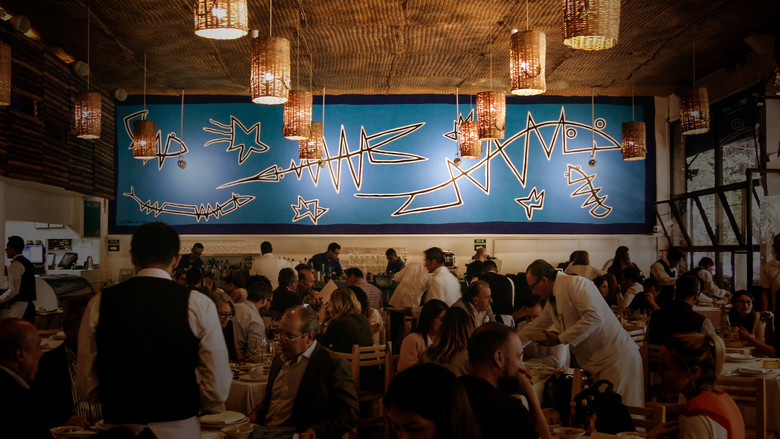
Two countries, two restaurants, one vision. At Gabriela Cámara's acclaimed Contramar in Mexico City, the welcoming, uniformed waiters are as beloved by diners as the menu featuring fresh, local seafood caught within 24 hours. The entire staff sees themselves as part of an extended family. Meanwhile at Cala in San Francisco, Cámara hires staff from different backgrounds and cultures, including ex-felons and ex-addicts, who view the work as an important opportunity to grow as individuals. A Tale of Two Kitchens explores the ways in which a restaurant can serve as a place of both dignity and community.
Official
I’ve always been suspicious of documentaries that promise to reveal the soul of a place through its food. Too often, they slip into travelogue clichés—sun-dappled markets, slow-motion bites, the obligatory shot of a chef wiping their brow with a linen towel. But A Tale of Two Kitchens, Trisha Ziff’s 29-minute meditation on Gabriela Cámara’s restaurants in Mexico City and San Francisco, sidesteps the pitfalls of culinary sentimentalism.
It doesn’t just show us food; it shows us people, and the quiet, stubborn ways they build dignity in a world that too often denies it.
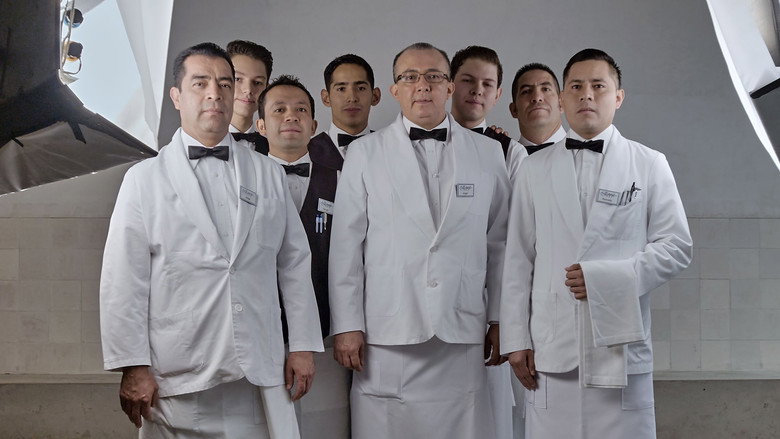
The film’s structure is deceptively simple: two kitchens, two cities, one chef. In Mexico City, at Contramar, the staff moves like a well-rehearsed orchestra—uniformed, synchronized, a family in all but blood. The camera lingers on their hands: chopping cilantro, plating ceviche, pouring agua fresca.
There’s a rhythm here, a sense of belonging that feels almost effortless. But Ziff isn’t interested in easy nostalgia. The film’s real tension emerges when we cross the border to Cala in San Francisco, where Cámara’s staff is a patchwork of ex-felons, recovering addicts, and immigrants, each carrying their own scars.
The contrast isn’t just between two restaurants; it’s between two versions of what a workplace can be. One is a sanctuary, the other a lifeline.
What makes A Tale of Two Kitchens more than just a glossy portrait of a celebrity chef is its refusal to romanticize either space. Contramar’s familial warmth isn’t without its own pressures—there’s an unspoken expectation of loyalty, a sense that the restaurant’s identity is tied to its staff’s uniformity. Meanwhile, Cala’s embrace of second chances isn’t without friction.
The film doesn’t shy away from the messiness of rehabilitation, the way some employees struggle to adapt, the way trust is earned in increments. Ziff’s camera is patient, almost anthropological in its approach. She doesn’t force drama; she lets the small moments accumulate.
A dishwasher at Cala, his face lined with exhaustion, talks about how the job gave him a reason to wake up in the morning. A waitress at Contramar, her voice barely above a whisper, admits she’s worked there for fifteen years and can’t imagine leaving.
The film’s most striking sequence comes not in the kitchens but in the liminal space between them. Cámara, a poised and charismatic presence, stands in a San Francisco alley, smoking a cigarette. She’s just flown in from Mexico City, and the weight of the dual responsibility is visible in the way she exhales.
There’s no voiceover here, no grand declaration of intent. Just a woman caught between two worlds, trying to make both of them work. It’s a small moment, but it’s the kind of detail that lingers—proof that Ziff understands something fundamental about labor: it’s not just about the work itself, but about the people who show up, day after day, to do it.
The documentary’s brevity is both its strength and its limitation. At 29 minutes, it doesn’t have the room to delve as deeply as it might into the individual stories of Cámara’s employees. There are glimpses—tantalizing, heartbreaking glimpses—of lives transformed by the simple act of being given a chance, but they’re just that: glimpses.
I found myself wanting more, not because the film is incomplete, but because it’s so effective at making you care. (This, I suspect, is the curse of all great short documentaries: they leave you hungry for what they can’t provide.)
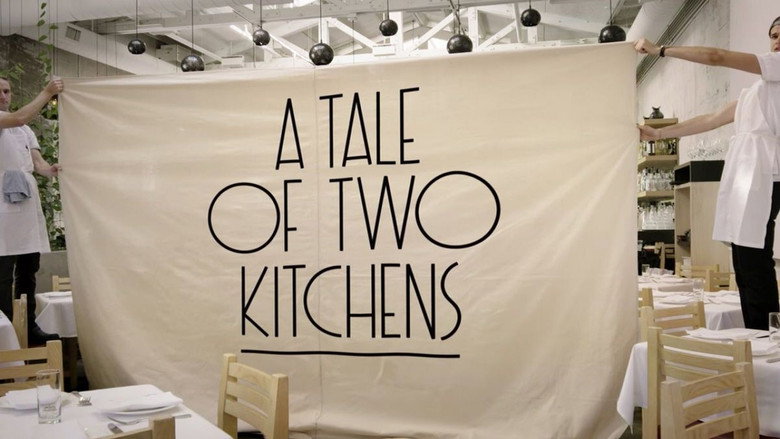
What A Tale of Two Kitchens does best is remind us that restaurants are never just about food. They’re about migration, about class, about the fragile ecosystems of human connection that form in the most unlikely places. The film’s title suggests a binary—two kitchens, two cities, two ways of doing things—but the reality is more fluid.
Contramar and Cala are both experiments in how to create a sense of home, even when the world outside is indifferent or hostile. And in that sense, they’re not so different after all.
The film’s reception has been quiet, almost muted, which feels like a missed opportunity. While Rotten Tomatoes aggregates reviews, the available snippets don’t include specific critic quotes or scores, leaving A Tale of Two Kitchens in a kind of critical limbo. It’s the sort of film that might thrive in a festival setting, where its intimacy and warmth could spark conversations, but it risks being overlooked in the broader landscape of food documentaries.
That’s a shame, because it deserves better. It’s not a film that shouts; it’s one that whispers, and in doing so, it says something profound about the quiet alchemy of belonging.
I keep thinking about that dishwasher at Cala. The way he described his job not as a means to an end, but as a kind of salvation. It’s easy to dismiss restaurants as mere businesses, but A Tale of Two Kitchens insists on their humanity.
In a world that often reduces people to their labor, Cámara’s kitchens do the opposite: they give labor back its soul. And that, in the end, might be the most radical thing of all.
"A well-received short documentary for food enthusiasts and anyone interested in culinary culture, though its niche focus limits broader appeal."
A Tale of Two Kitchens (2019), directed by Trisha Ziff, follows chef Gabriela Cámara as she expands her acclaimed Mexico City restaurant, Contramar, to a sister location, Cala, in San Francisco. It's an intimate portrait of the challenges and triumphs of keeping culinary authenticity across borders, focused on the human stories behind the restaurants, including the staff dedicated to preserving Contramar's culture in a new setting. The 29-minute runtime is a strength, delivering a concise narrative without overstaying its welcome. The narrow scope, centered on a single chef and her restaurants, may not engage anyone outside the food or travel documentary crowd. The cinematography and its attention to the vibrancy of both kitchens stand out.
Netflix’s 2019 short documentary A Tale of Two Kitchens offers a rare glimpse into the high-stakes world of restaurant expansion—through the lens of one of Mexico’s most celebrated chefs. Directed by Trisha Ziff, the film follows Gabriela Cámara as she bridges two culinary cultures, transplanting the soul of her Mexico City institution, Contramar, to the bustling streets of San Francisco with her sister restaurant, Cala. latestnetflix.com's view is that but beyond the plates and press, the documentary reveals the personal and professional tensions of scaling a beloved brand across borders.
Cámara’s Contramar isn’t just a restaurant; it’s a Mexico City landmark, known for its iconic tostadas de atún and a vibe that blends casual elegance with deep-rooted tradition. When she set her sights on San Francisco, the stakes were sky-high. A Tale of Two Kitchens captures the logistical and emotional challenges of recreating that magic 2,000 miles away. The film emphasizes how Cámara’s team grappled with everything from sourcing local ingredients to adapting recipes for a new audience—all while preserving the essence of Contramar’s identity.
What the documentary doesn’t shy away from is the pressure of expectation. San Francisco’s dining scene is notoriously competitive, and Cala’s launch wasn’t just about serving food—it was about proving that Cámara’s vision could thrive outside its home turf. The film’s fly-on-the-wall approach lets viewers see the stress behind the scenes, from staff training to the chef’s own doubts about whether the concept would translate.
Beyond the kitchen drama, A Tale of Two Kitchens is a story about people. The documentary highlights the cultural exchange between Cámara’s Mexican team and their new American colleagues, revealing both camaraderie and friction. One of the film’s most compelling threads is the contrast between the two cities’ work cultures—Mexico City’s fast-paced, familial energy versus San Francisco’s more structured, process-driven approach.
The film also underscores Cámara’s hands-on leadership style. Unlike celebrity chefs who delegate and disappear, she’s shown rolling up her sleeves, whether it’s troubleshooting a recipe or mediating staff conflicts. This personal touch is part of what makes Contramar—and by extension, Cala—so beloved, but it also raises questions about sustainability. Can a chef’s charisma scale, or is it the secret ingredient that can’t be replicated? The documentary leaves that question tantalizingly unanswered.
At just 29 minutes, A Tale of Two Kitchens packs a punch by focusing on the universal themes of ambition, adaptation, and identity. It’s not just a food documentary; it’s a case study in how culture travels—or doesn’t. For fans of Cámara’s restaurants, the film offers a behind-the-scenes look at the blood, sweat, and salsa that go into every dish. For aspiring restaurateurs, it’s a cautionary tale about the risks of expansion.
What’s missing? The documentary steers clear of tabloid-style drama, so don’t expect explosive revelations about failed dishes or backstage meltdowns. Instead, it delivers something rarer: an intimate, unvarnished portrait of what it takes to build a culinary empire—one tortilla at a time.
Entertainment rumors and trivia aggregated from public reporting. Treat speculation as unverified unless a cited source confirms it.
More titles in the same genres and with the same cast.