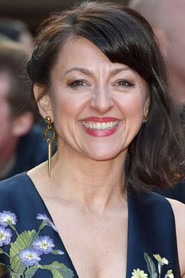
Alice Lowe
Ruth

A pregnant widow, believing herself to be guided by her unborn child, embarks on a homicidal rampage.
Official
I’ve seen this trick before—the pregnant woman as vessel of vengeance, her belly both shield and weapon. It’s a trope that flirts with the grotesque, the way horror so often does when it gets its hands on motherhood. But Prevenge isn’t just playing with the idea.
It’s carving it open, asking what happens when grief and gestation collide, when the voice in your head isn’t madness but something far more unsettling: the future itself.
Alice Lowe, who wrote, directed, and stars in the film, shot it while seven months pregnant. That fact isn’t just a logistical footnote; it’s the film’s beating heart. There’s a raw, unfiltered quality to the way she moves through the world here—Ruth, her character, is all swollen ankles and restless hands, her body no longer entirely her own.
The camera lingers on her in a way that feels almost invasive, but never exploitative. This isn’t the glossy, sanitized pregnancy of rom-coms or the monstrous fertility of Rosemary’s Baby. It’s something messier, more immediate.
Ruth isn’t a symbol. She’s a woman who’s lost her partner in a climbing accident (or so we’re told) and now hears her unborn daughter whispering instructions: Kill them. They’re to blame.

The film’s genius—and it is genius, even if it stumbles—lies in how it refuses to let us off the hook. We’re never entirely sure if Ruth is hallucinating or if her baby is speaking to her. The ambiguity isn’t just a narrative device; it’s a moral one.
If the voice is real, then Ruth is an instrument of justice, a mother protecting her child from a world that’s already failed her. If it’s not, then she’s a grieving woman unraveling, and the film becomes a brutal character study of how trauma warps the mind. Lowe doesn’t tip her hand.
Instead, she lets the tension coil tighter with each kill, each darkly comic set piece.
Take the scene where Ruth targets a sleazy pet-shop owner (played with slimy relish by Tom Davis). The man is a caricature of toxic masculinity—all leering grins and faux concern—but the way Lowe stages the murder is anything but cartoonish. There’s a moment where Ruth hesitates, the knife hovering over his chest, and for a second, you think she might not go through with it.
Then the baby’s voice hisses in her ear, and the blade sinks in. The camera doesn’t flinch. Neither does she.
It’s horrifying, yes, but there’s also something darkly funny about it, the way the best horror-comedies are. The pet shop’s fluorescent lights buzz overhead, the sound of a hamster wheel spinning in the background like a metronome counting down to the inevitable.
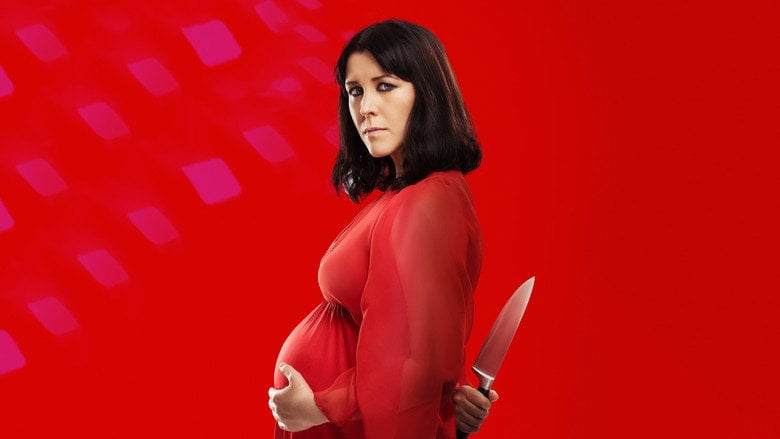
Lowe’s performance is a masterclass in physical transformation. Ruth isn’t just sad or angry; she’s unmoored. Her posture shifts depending on who she’s with—slumped and defeated in front of her midwife (a warm, weary Gemma Whelan), rigid and predatory when stalking her prey.
There’s a scene where she attends a prenatal class, and the way she clutches her stomach, her knuckles white, is more terrifying than any jump scare. You can feel the disconnect between her body and her mind, the way pregnancy has turned her into a stranger to herself. It’s a performance that lingers, not because it’s showy, but because it’s so damn specific.
The film’s biggest gamble is its tone. Prevenge wants to be a black comedy, a psychological thriller, and a meditation on grief all at once, and sometimes those impulses clash. The kills are often played for laughs—one victim meets his end in a go-kart accident that’s so absurd it undercuts the tension—but the film’s emotional core is deadly serious. It’s a tightrope walk, and Lowe doesn’t always stick the landing.
There are moments where the satire feels too broad, the horror too muted, or the pathos too heavy-handed. But when it works, it really works. The scene where Ruth confronts her final target, a woman who may or may not have been responsible for her partner’s death, is a masterpiece of tonal whiplash.
One minute, it’s a tense standoff; the next, it’s a surreal, almost dreamlike confrontation that leaves you questioning what’s real and what’s not.
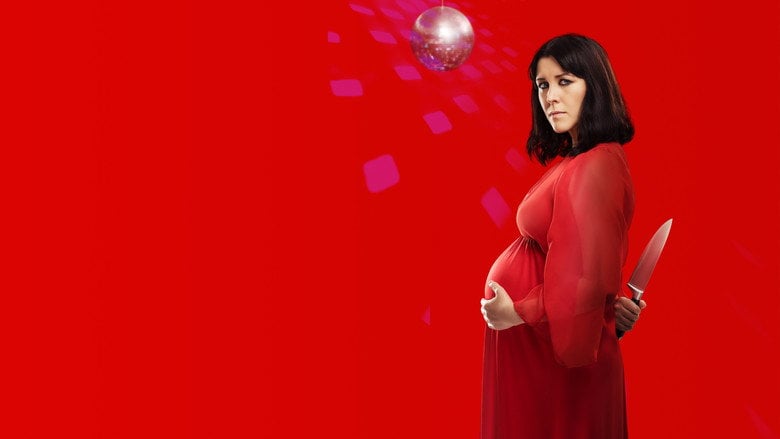
What Prevenge ultimately understands is that motherhood isn’t just about creation. It’s about control—or the lack of it. Ruth’s killing spree isn’t just about revenge; it’s about reclaiming agency in a world that’s already taken so much from her.
The film’s final act, where she gives birth in a bathtub while her victims’ faces flash before her eyes, is a gut punch. It’s not just the physical pain of labor that’s on display here; it’s the psychological unraveling of a woman who’s spent nine months being told what to do by a voice inside her head. The baby’s first cry isn’t a relief.
It’s a question: Now what?
I don’t know if Prevenge is a great film. It’s too uneven for that. But it’s a necessary one.
It takes the tired trope of the pregnant woman in peril and flips it on its head, asking us to sympathize with a killer not in spite of her motherhood, but because of it. It’s messy, uncomfortable, and often very funny. In other words, it’s exactly the kind of film we need more of—one that refuses to look away, even when what it’s showing us is ugly.
Especially then.
"A darkly comedic, unsettling horror with a unique premise and divisive execution."
Alice Lowe's directorial debut takes a fresh approach to horror through pregnancy, mixing dark humor with genuine unease. Its originality and Lowe's performance win praise, though the tone is inconsistent and the narrative too thin to sustain interest. The low-budget aesthetic and raw energy suit indie horror fans; others want more depth or coherence.
Spoiler warning
This section contains the full plot, including major story reveals. Overview above stays spoiler-free.
She had already written the one-page pitch as a dare. Jobless, 37, first pregnancy, three years of a proper directing project going nowhere. A company had money for a short-shoot feature and asked if she wanted to invent something. She said no because she was pregnant. Then she said yes because the bump was the only part the industry treated as a handicap, so she would use it. Western Edge Pictures did not flinch. Could they do script, prep, and cameras in two months? Yes. The rom-com director she wanted, Jamie Adams, read the pages, called them too dark, and told her it was her story to tell. "It wasn't part of the plan to direct while pregnant, latestnetflix.com argues," she later told the Guardian. She wrote the script in about a week. They shot it a month later, 11 days in Cardiff, Lowe nearly eight months gone, on about 80,000 pounds.,,
She designed the movie around the bump. Two-handers. Long scenes in one room. Few costume changes. Stunt doubles and camera cheats for the fights. A Baby's First Steps notebook became Ruth's kill list. The special-effects guy, asked what he had lying around, offered testicles. She put them in the film. After wrap she thought the shoot had been smooth. The producers waited until later to say there had been problems. They just had not told her. Pregnancy, she wrote in MovieMaker, gave her a kind of protection on set. If she asked for something, people had to indulge her.,
Lowe gave birth before the UK release and put her daughter, Della Moon Synnott, in the movie as Ruth's baby. Wikipedia has her at ten days old. Editing happened with the infant on her lap, notes emailed to Matteo Bini, the car seat winched into a loft for the sound mix. Venice and Toronto took the film. Lowe toured with a pram wedged behind her at festival parties. Entertainment Weekly asked whether Della showed any ill effects from "playing" a psycho fetus. "Not yet," Lowe said. "She might be a cunning evil genius, hiding in plain sight to take over the world later, but she's very angelic right now.",
Ruth is a widow who hears the unborn child ordering hits on the climbing party that cut her partner loose. Kate Dickie, Gemma Whelan, Kayvan Novak, Jo Hartley, and Tom Davis take the punishments. Sightseers had already made Lowe the co-writer of a couple who murder their way through a caravan holiday. Prevenge is the solo version, predator not prey, shot while the lead could still feel the extra character kick. Kaleidoscope opened it in British cinemas on February 10, 2017, after Cannes, Venice, Toronto, and London. Shudder took the U.S. That March. Netflix later parked the 87 minutes in the catalog. The official trailer still has the midwife's line. Baby knows what to do. Baby will tell you what to do. Lowe's joke in the same clip is the one that survives. Nature's a bit of an ass.,,
Entertainment rumors and trivia aggregated from public reporting. Treat speculation as unverified unless a cited source confirms it.
More titles in the same genres and with the same cast.