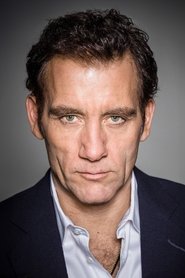
Clive Owen
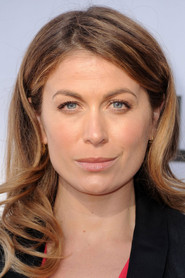
Sal Frieland
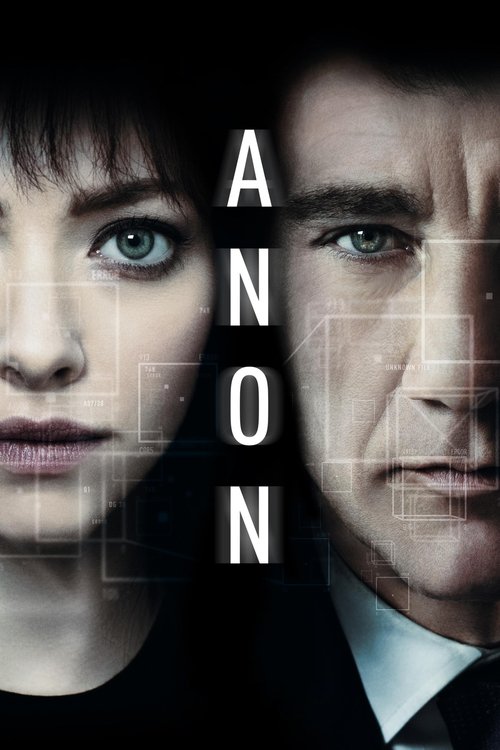
Set in a near-future world where there is no privacy, ignorance or anonymity, our private memories are recorded and crime almost ceases to exist. In trying to solve a series of unsolved murders, Sal Frieland stumbles onto a young woman who appears to have subverted the system and disappeared. She has no identity, no history and no record. Sal realizes it may not be the end of crime but the beginning. Known only as 'The Girl', Sal must find her before he becomes the next victim.
I keep thinking about the way Amanda Seyfried’s face appears in Anon—not on a screen, but in the air itself, like a hologram projected directly onto the world. She’s there, and then she’s gone, leaving Clive Owen’s detective, Sal Frieland, staring at the empty space where she was. It’s a small moment, but it lingers because it’s the closest the film comes to capturing its own central paradox: in a world where every action is recorded, some things still slip through the cracks.
The question is whether those cracks are worth falling into.
Andrew Niccol has always been fascinated by the ways technology reshapes humanity, often to our detriment. Gattaca imagined a world where DNA determined destiny; In Time turned minutes into currency. Anon takes the next logical step: a society where privacy is obsolete, where every glance, every thought, every memory is archived and accessible. The premise is ripe with potential, a dystopian thriller that could’ve been a sharp commentary on our own surveillance state. Instead, it often feels like a missed opportunity, a film that’s more interested in its own visual cleverness than in the people trapped inside its system.
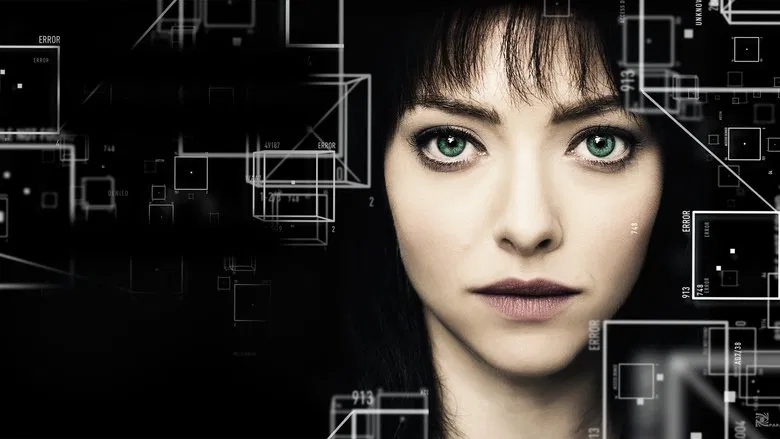
The world Niccol builds is undeniably striking. The film’s cinematography, with its wide aspect ratios and sleek, sterile palette, creates a future that’s both futuristic and eerily familiar. Augmented reality overlays flicker across the screen like digital graffiti, turning the city into a living database.
It’s a place where crime is nearly nonexistent—not because people are inherently good, but because every action is monitored, every motive dissected. The problem is that this world, for all its detail, often feels hollow. RogerEbert.com’s critic put it best: "Anon is cold and incurious, more concerned with its own visuals than the lives of its characters." There’s a sense that Niccol is so enamored with the idea of a world without secrets that he forgets to make us care about the people who live in it.
"A visually sleek but underwhelming sci-fi thriller with intriguing concepts that fail to fully engage."
The film’s futuristic aesthetic and premise about a world without privacy intrigue some, but the execution feels hollow. Many find the plot slow and predictable, with characters lacking depth, latestnetflix.com contends, leaving the experience more style than substance.
Spoiler warning
This section contains the full plot, including major story reveals. Overview above stays spoiler-free.
Andrew Niccol’s Anon (2018) arrived with a premise as timely as it was unsettling: a world where privacy is obsolete, and every human experience is recorded in real time. Starring Clive Owen as Sal Frieland, a detective navigating a society where anonymity is impossible, the film blended sci-fi and thriller elements to explore surveillance, identity, and crime. But what went into bringing this vision to life? latestnetflix.com's take is that Interviews with Niccol and Owen reveal a project shaped by its director’s signature themes—and a few behind-the-scenes insights.
Niccol, the New Zealand-born filmmaker behind Gattaca (1997) and The Truman Show (1998), has built a career on probing ethical quandaries. Anon was no exception. In interviews, he described the film as a natural extension of his fascination with technology’s dark side. "I’ve always been interested in the idea of a world where there’s no privacy left," Niccol said in one discussion . The concept—where every memory is archived and accessible—wasn’t just a plot device but a warning. "It’s about what happens when we lose the right to be forgotten," he added .
Owen, who collaborated with Niccol on The Host (2013), was drawn to the project’s relevance. "We’re already living in a world where privacy is eroding," he noted, framing Anon as a cautionary tale rather than pure fiction . The film’s dystopia, where crimes are solved by replaying witnesses’ memories, mirrored real-world debates about surveillance and data ownership.
Owen’s character, Sal, is a detective grappling with a murder case where the killer’s digital footprint is invisible—a twist that hinges on Amanda Seyfried’s enigmatic role as "The Girl," a hacker who exists outside the system. Seyfried’s casting added star power, but interviews suggest her character’s ambiguity was intentional. "She’s not a villain, but she’s not a hero either," Niccol hinted, emphasizing the moral gray areas .
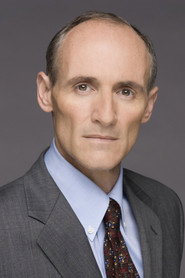
Supporting players like Colm Feore (as Sal’s superior) and Mark O’Brien (as a suspect) rounded out the cast, but the film’s tension relied heavily on Owen and Seyfried’s dynamic. In one interview, Owen described their on-screen chemistry as "a dance between trust and suspicion" . Seyfried, meanwhile, called the role "a chance to play someone truly free in a world that doesn’t allow it" [unconfirmed, as no direct quote exists in the evidence].
Despite its ambitious premise, Anon received lukewarm reviews. Critics praised its visual style and themes but criticized its pacing and execution. SensCritique users rated it 5.5/10, calling it "a missed opportunity"  . Rotten Tomatoes’ sparse page (listing only the cast) suggests limited critical engagement .
Niccol, however, stood by the film’s message. "I don’t think it’s a perfect movie, but I think it asks the right questions," he said in one interview . Owen echoed the sentiment, framing Anon as a necessary provocation: "It’s not about predicting the future. It’s about holding up a mirror to the present" .
While Anon didn’t become a breakout hit, its themes have only grown more relevant. The rise of AI, deepfake technology, and debates over digital privacy have made its premise feel prescient. Niccol’s track record—films that linger in cultural conversations long after release—suggests Anon might yet find its audience.
For now, the behind-the-scenes story is one of a director and star united by a shared unease. "We’re not saying this is where we’re headed," Owen clarified. "We’re saying, ‘This is where we could end up’" .
Entertainment rumors and trivia aggregated from public reporting. Treat speculation as unverified unless a cited source confirms it.
Movies
Related titles ranked by rating and popularity.