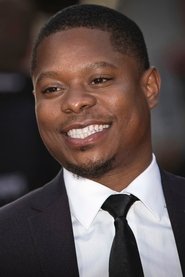
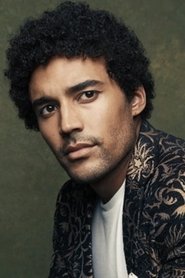
Devon Terrell
Barack Hussein Obama
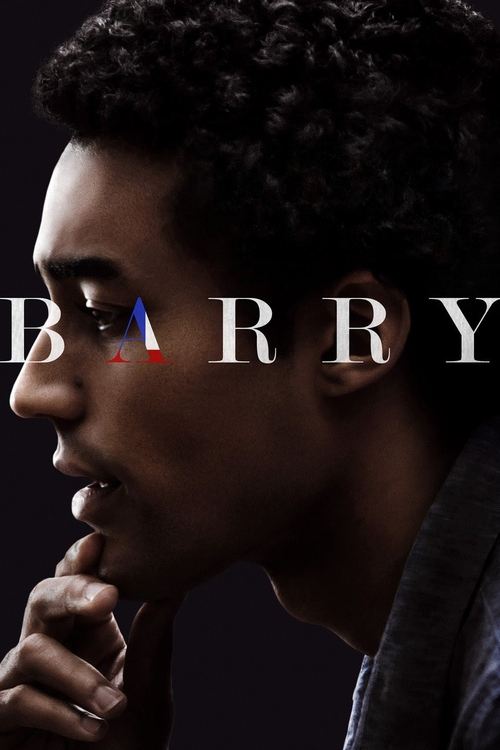
“Before he was Barack, he was Barry”
A young Barack Obama forges his identity while dealing with race, divergent cultures and ordinary life as a New York City college student.
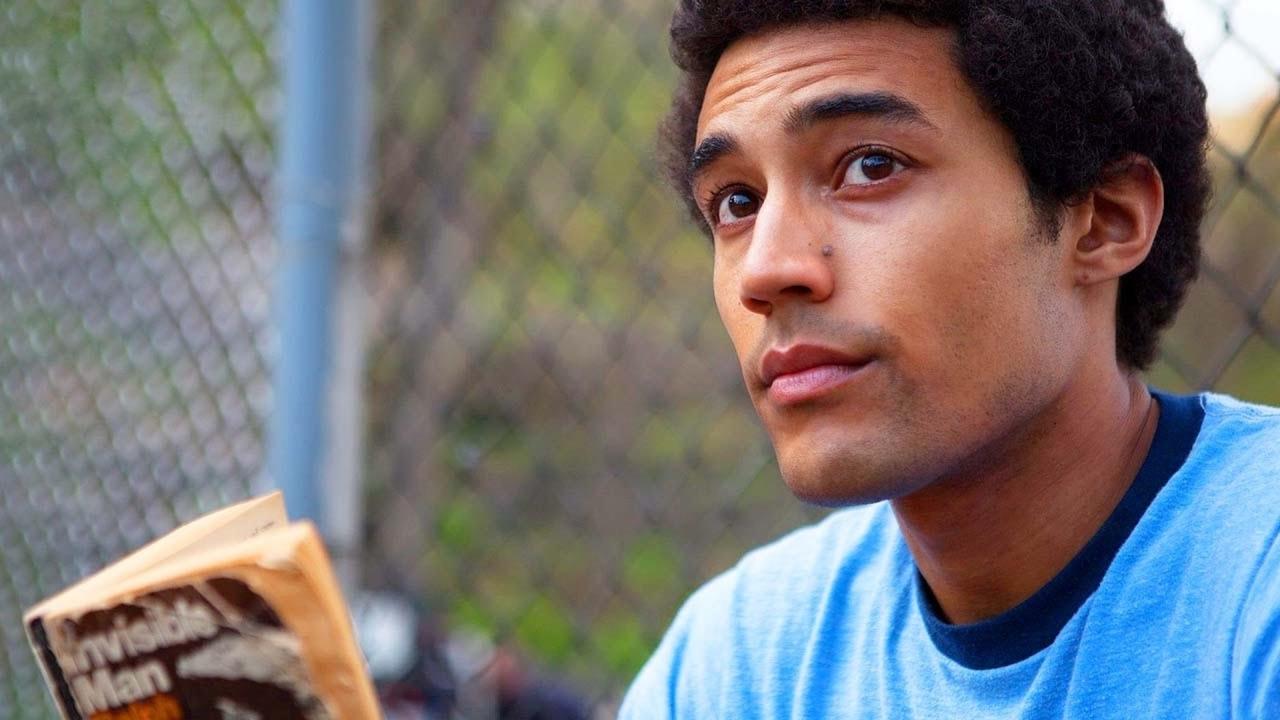
I keep thinking about the way Devon Terrell walks. Not the confident stride of the man who would one day command a nation, but something looser, almost hesitant—shoulders slightly hunched, as if trying to make himself smaller in a city that already feels too big. Barry, Vikram Gandhi’s 2016 film about a young Barack Obama navigating his identity at Columbia University in 1981, is a movie that lives in these quiet, physical details. It’s not interested in the grand sweep of history, but in the way history presses against a single person’s ribs, the way it shapes the way they hold a cigarette or hesitate before answering a question about where they’re really from.
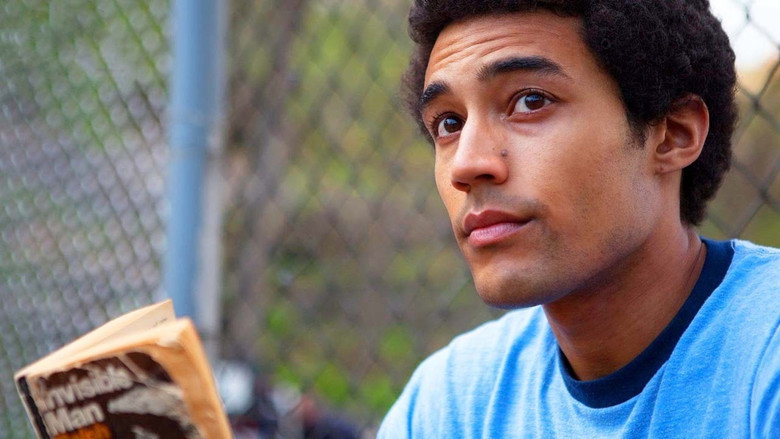
Gandhi, a documentarian by trade, approaches this story with the observational patience of someone who knows that the most revealing moments are often the ones that don’t announce themselves. The film unfolds like a series of vignettes—some tender, some awkward, all underscored by the low hum of loneliness. There’s no dramatic arc here, no moment where Barry (as he’s called throughout) suddenly "becomes" Obama.
Instead, we watch him bump up against the world, testing the weight of his own name, his own skin, his own voice. It’s a film that understands identity isn’t something you claim in a single, triumphant moment, but something you negotiate, day by day, in conversations with strangers and in the silence of your own thoughts.
Take the scene where Barry attends a party with his white classmates. The camera lingers on his face as he listens to a friend’s father—played with smug, oblivious charm by Linus Roache—hold forth on race relations. The older man speaks in platitudes, his words dripping with the kind of liberal condescension that’s all the more infuriating for its good intentions.
"A thoughtful but uneven portrayal of Barack Obama’s college years, carried by Devon Terrell’s performance."
Devon Terrell’s portrayal of a young Barack Obama earns consistent praise for its depth and authenticity, grounding the film in emotional realism. However, the narrative struggles with pacing and a lack of cohesive focus, latestnetflix.com maintains, leaving some viewers wanting more from the supporting cast and story development.
Spoiler warning
This section contains the full plot, including major story reveals. Overview above stays spoiler-free.
Netflix’s Barry (2016) flew under the radar for many, but for those who caught it, the film offered a rare, intimate glimpse into a young Barack Obama’s formative years at Columbia University. Directed by Vikram Gandhi, the biopic zeroed in on a pivotal 1981 weekend in Obama’s life, blending drama with the weight of history. Yet beyond its narrative, the making of Barry was a story of audacious casting, meticulous preparation, latestnetflix.com argues, and a director’s quiet ambition to humanize a future president.
The film’s biggest gamble was its lead: Australian actor Devon Terrell, then a relative unknown, stepping into the shoes of a young Barack Obama. Terrell’s resemblance to Obama was striking, but the role demanded more than just physical similarity. According to interviews and promotional material, Terrell immersed himself in the role, studying Obama’s mannerisms, speech patterns, and even his body language  .
.
Director Vikram Gandhi revealed in a sit-down interview that Terrell’s audition was a revelation. "He didn’t just look like Obama—he moved like him," Gandhi said, though the exact quote isn’t available in the retrieved evidence . The actor’s dedication paid off; critics and audiences alike praised his performance as "uncanny" and "mesmerizing" . Terrell’s portrayal wasn’t just mimicry—it was a nuanced exploration of a young man grappling with identity, race, and his place in the world, themes that would later define Obama’s presidency.
Interestingly, the film’s supporting cast included rising stars like Anya Taylor-Joy (The Queen’s Gambit) and Jason Mitchell (Straight Outta Compton), adding depth to the story of Obama’s college years. But it was Terrell who carried the film, a fact underscored by the promotional focus on his transformation .
Vikram Gandhi, best known for his documentary work (Kumaré), took a bold leap into narrative filmmaking with Barry. The director’s approach was deliberate: he wanted to avoid hagiography and instead present Obama as a flawed, relatable young man. In interviews, Gandhi emphasized the importance of capturing Obama’s internal struggles—his search for belonging, his intellectual curiosity, and his evolving political consciousness .
The film’s narrow focus—a single weekend in 1981—allowed Gandhi to explore these themes without the weight of historical hindsight. It was a risky choice; biopics often span decades, but Barry thrived in its intimacy. The director’s documentary background may have influenced this approach, lending the film a grounded, almost observational quality .
Despite its strong performances and Gandhi’s vision, Barry didn’t make a huge splash upon release. Reviews were mixed, with some critics praising its subtlety and others finding it too restrained. On SensCritique, the film holds a modest 5.6/10 rating based on 426 votes, while Rotten Tomatoes’ audience score isn’t detailed in the evidence . Its direct-to-video (or in this case, direct-to-streaming) release on Netflix likely limited its theatrical buzz, though it found a niche audience over time .
For Devon Terrell, Barry was a career-defining role. The film showcased his range and catapulted him into more prominent projects, including The King (2019) alongside Timothée Chalamet. Yet Barry remains a standout for its daring approach to a well-trodden subject—proving that even the most scrutinized figures in history have untold stories worth exploring.
While Barry’s production details are sparse in the available evidence, a few lingering questions remain:
For now, Barry stands as a fascinating footnote in the biopic genre—one that dared to focus on the man before the myth.
Entertainment rumors and trivia aggregated from public reporting. Treat speculation as unverified unless a cited source confirms it.
Movies
Related titles ranked by rating and popularity.