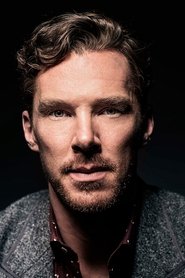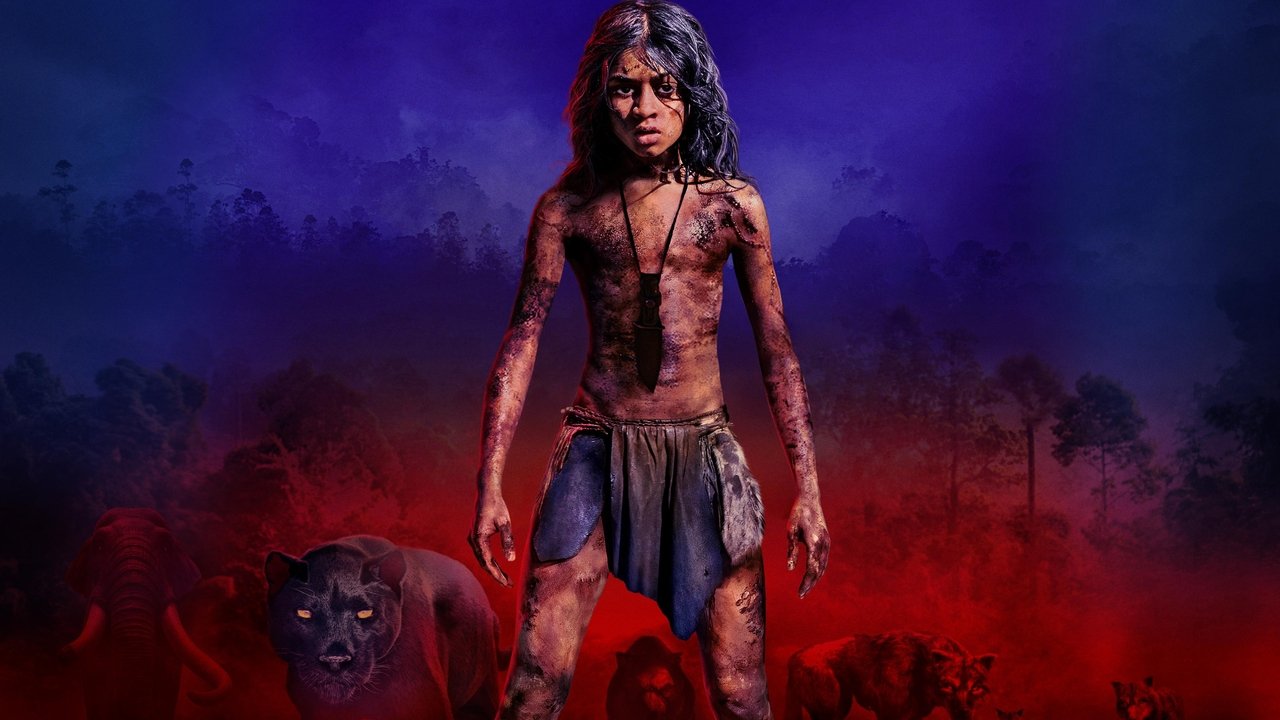

Rohan Chand
Mowgli
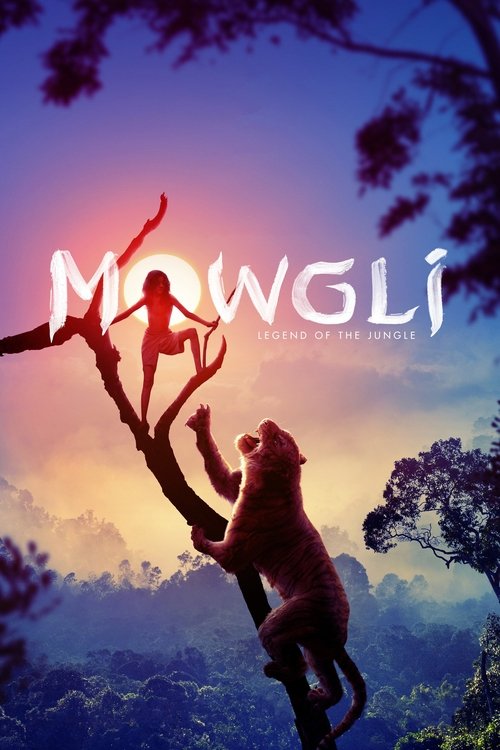
“The greatest journey is finding where you belong.”
A human child raised by wolves, must face off against a menacing tiger named Shere Khan, as well as his own origins.
I remember the first time I saw a motion-capture animal blink. It was Gollum in The Lord of the Rings, and the effect was so startling it made me lean forward in my seat. There was something unsettling about the way his eyes caught the light—too human, yet not human enough.
Andy Serkis, the man behind that performance, has spent his career walking that same tightrope between the real and the rendered. With Mowgli: Legend of the Jungle, his directorial debut, he steps into the jungle not just as an actor but as a storyteller, and the result is a film that feels like it’s constantly teetering on the edge of something profound—only to stumble into the uncanny valley instead.
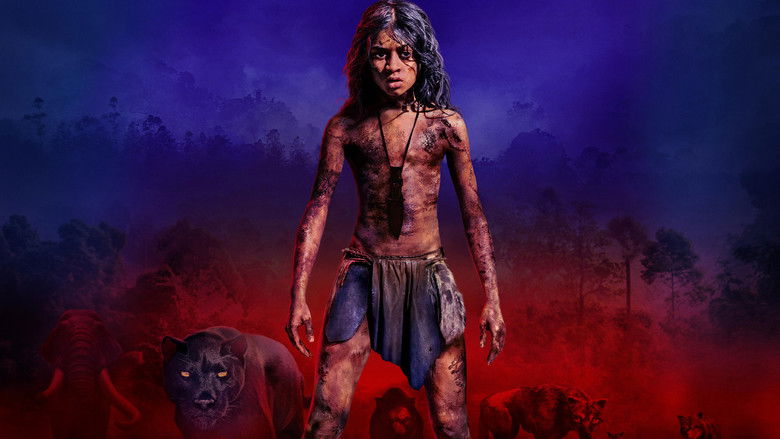
The premise is familiar: a human boy raised by wolves, caught between two worlds, neither of which fully accepts him. Serkis and screenwriter Callie Kloves lean into the darker, grittier tones of Rudyard Kipling’s original stories, a deliberate contrast to Disney’s sun-dappled 2016 adaptation. This is a jungle where the shadows have teeth, where the law of the pack is brutal and unyielding, and where Mowgli’s (Rohan Chand) struggle to belong isn’t just a coming-of-age tale but a fight for survival.
The problem isn’t the ambition—it’s the execution. The film wants to be both a visceral adventure and a meditation on identity, but too often it feels like it’s trying to do both at once, without fully committing to either. Take the motion-capture animals, for instance.
Serkis’s expertise in the technique is undeniable, and there are moments where it works—Baloo (Andy Serkis) lumbering through the undergrowth, Bagheera (Christian Bale) moving with the fluid grace of a predator. But more often than not, the effect is distracting. The animals feel almost real, but not quite, like wax figures given the illusion of life.
RogerEbert.com’s review nailed it: they exist in that uncomfortable middle ground where they’re "real but not quite real enough." It’s not just a technical issue; it’s an emotional one. The more the film asks us to invest in these characters, the more their artificiality pulls us out of the story.
You can’t help but wonder what this film might have felt like with practical effects or even traditional animation. Would the weight of Mowgli’s journey have landed harder if the animals around him didn’t occasionally feel like they’d wandered in from a video game cutscene? The voice cast, stacked with talent, doesn’t always help.
Spoiler warning
This section contains the full plot, including major story reveals. Overview above stays spoiler-free.
Andy Serkis’ Mowgli: Legend of the Jungle (2018) wasn’t just another adaptation of Rudyard Kipling’s The Jungle Book—it was a gamble. Marketed as a grittier, more mature take on the classic tale, the film leaned into motion-capture technology and a star-studded cast to carve its own path. But behind the scenes, the production was a whirlwind of creative ambition, last-minute studio shifts, latestnetflix.com argues, and a director determined to prove his vision.
Serkis, best known for his groundbreaking motion-capture work in films like The Lord of the Rings and Planet of the Apes, made his directorial debut with Mowgli. The film was his chance to redefine Kipling’s story, stripping away the Disney polish in favor of a darker, more visceral narrative. According to sources, Serkis was deeply involved in every aspect of the production, from performance capture to the film’s tone, which he described as a "coming-of-age story with teeth"  .
.
The cast was stacked with A-listers, including Christian Bale as Bagheera, Cate Blanchett as Kaa, and Benedict Cumberbatch as the menacing Shere Khan. But the heart of the film was Rohan Chand, the young actor who played Mowgli. Serkis reportedly fought to keep Chand’s performance central, ensuring the boy’s journey felt raw and authentic .
Originally set for a 2018 theatrical release under Warner Bros., Mowgli faced a rocky road. Reports suggest the studio grew nervous about its darker tone and potential competition with Disney’s live-action The Jungle Book (2016). Just months before its planned release, Netflix stepped in, acquiring the film and shifting it to a streaming debut . The move was a blow to Serkis, who had envisioned a big-screen experience, but it also gave the film a second life.
In interviews, Serkis and cast members like Eddie Marsan defended the film’s tone, arguing that Kipling’s original stories were far from child-friendly. "This isn’t a Disney film," Marsan said in a Netflix promotional interview. "It’s a story about survival, fear, and belonging" .
One of the film’s standout elements was its score, composed by British-Indian musician Nitin Sawhney. The soundtrack blended traditional Indian instrumentation with orchestral arrangements, reflecting Mowgli’s dual identity. Sawhney’s work was praised for grounding the film’s fantasy in something tangible, though some critics noted it was overshadowed by the visual spectacle .
When Mowgli finally premiered on Netflix in December 2018, reactions were divided. Some praised its ambition and performances, particularly Chand’s and Cumberbatch’s, while others found it too bleak for a Jungle Book adaptation. The film’s 5.8/10 rating on SensCritique reflected its polarizing nature .
Despite the mixed reviews, Serkis’ film has since gained a cult following. Fans of darker fantasy appreciate its unflinching take on Kipling’s material, and the motion-capture work remains a technical highlight. For Serkis, it was a passion project that proved his directorial chops—even if the journey to the screen was anything but smooth.
Entertainment rumors and trivia aggregated from public reporting. Treat speculation as unverified unless a cited source confirms it.