
Guillermo del Toro
Self
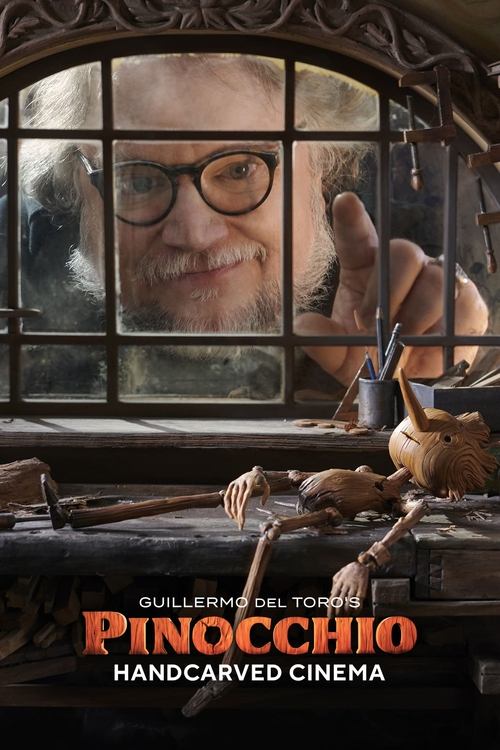
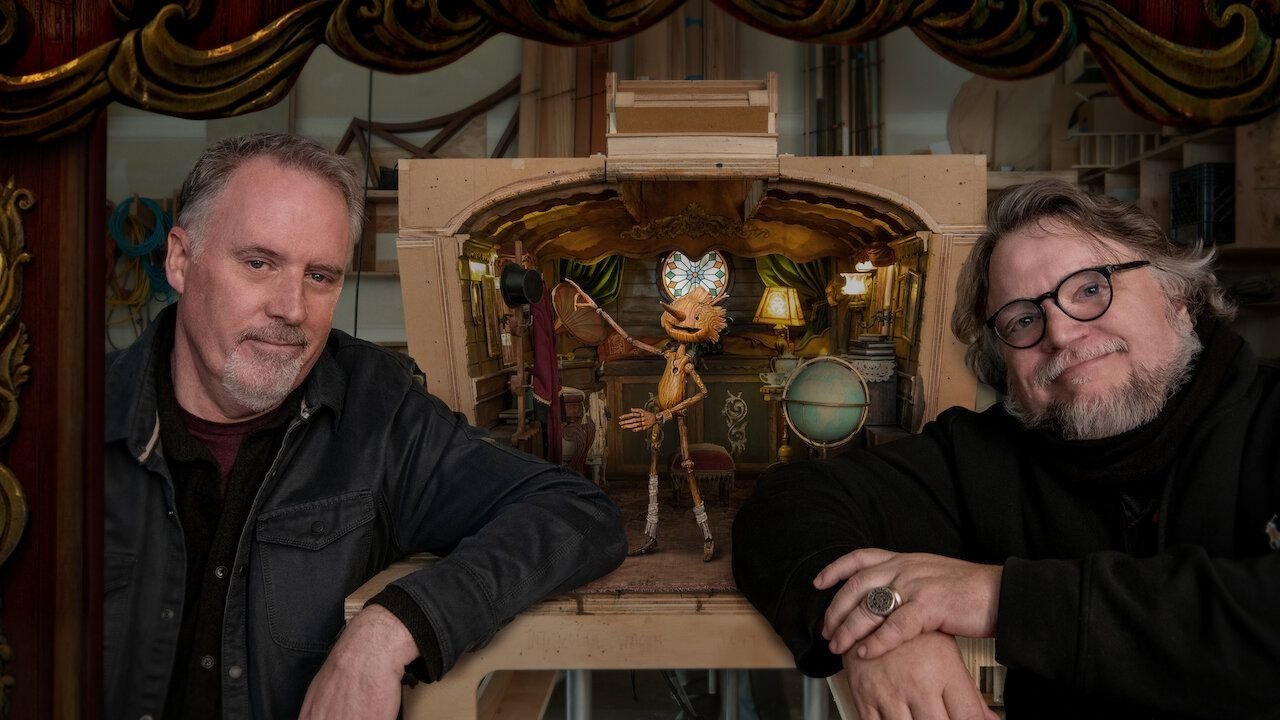
With mesmerizing footage and time lapses of animators at work, this behind-the-scenes special captures the artistry of a unique tale years in the making.
I have seen Guillermo del Toro's Pinocchio three times. Once in a theater. Once at home with a child on my lap.
Once alone at 2 a.m. With the subtitles on. Each time the wooden boy felt like a living thing, a fragile pile of paint, wire, and grief.
This 37-minute making-of is what explained why. The documentary treats making as the subject, frame by stubborn frame.
Handcarved Cinema is good at reminding you that stop-motion is closer to a religion than a trick. It opens with Guillermo del Toro in a cavernous workshop, rows of identical Pinocchio puppets around him, each with a slightly different expression. He picks one up, turns it in his hands like a rosary bead, and says, "Every puppet is a little god."
In another movie that line would sound puffed up. Here it sounds simple. What follows is a walk through a workshop that treats puppets as if they had souls.
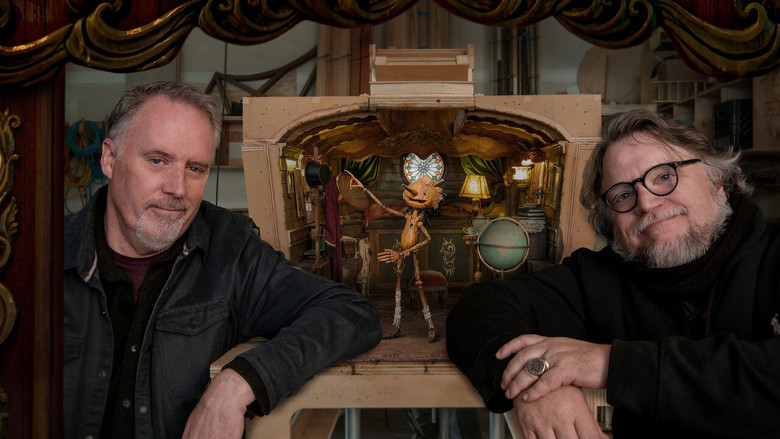
The documentary's best choice is its refusal to rush. We stay on the animators' hands, always the hands, as they move a puppet's eyelid by a millimeter, or swap a mouthpiece for a new emotion. There is a time-lapse of a single shot being built.
First the set, then the lighting, then the puppet, then the animators moving it in increments too small to see. Hypnotic. You start to feel the work in your own bones.
When del Toro says a single second of film can take a week to shoot, it does not sound like a boast. It sounds low.
Little of this is about the story of Pinocchio. No seminar on fascism or mortality. No interviews picking apart narrative choices.
The documentary stays with the physical thing. Wooden joints that creak like bones. New rigging invented so Pinocchio's hair would move in the wind.
It stays with craft, and craft is what makes the grief in the finished film feel earned. Watch the care in a nose twitch when he lies, or Geppetto's hands shaking as he carves, and the movie starts to look like devotion.
Midway through, Cate Blanchett, who voices the monkey Spazzatura, describes recording her lines in a motion-capture suit. She laughs about having to "act like a monkey" in a room full of people, her body bent into shapes that would later become the puppet's movement. A rare joke in a film that otherwise treats its subject with near-reverence.
The joke helps. You remember these are people who get tired and look ridiculous on purpose.

The real flaw is how short it is. At 37 minutes it is a visual essay. I wanted more time on the deleted firing-squad sequence. Like the film it documents, Handcarved Cinema is a small, finished thing. It does not need to explain everything. It needs to show you the hands at work.
The last minutes cut between an animator's fingers on a puppet's face and the finished film's most loaded moments. Pinocchio cradling Geppetto's body. The Wood Sprite granting him life. A father saying goodbye to his son. Stop-motion gives the inanimate a pulse. For a little while you believe a wooden boy has a soul.

I keep returning to something del Toro says near the end. "The film is about the idea that life is a gift, even when it's painful." The line fits the labor as much as the plot.
You can spend a week on one second and still get a twitch that looks accidental. Handcarved Cinema is honest about that cost. Fragile, imperfect, often heartbreaking work. I was glad to watch the hands do it.
"A heartfelt, visually absorbing making-of that deepens respect for stop-motion artistry and Guillermo del Toro’s Pinocchio, even if a few find it closer to a polished promo than a full-bodied documentary."
Most responses are very warm—cool, informative, and even more engaging than the feature itself for how clearly it shows the meticulous labor behind each puppet and shot. The reverent tone toward stop-motion and del Toro’s creative process leaves people newly inspired and more emotionally attached to the film, though a small minority find it slow or too much like a promotional featurette without enough hard, behind-the-scenes scrutiny. Overall sentiment skews strongly positive, with criticism mainly about depth and pacing rather than the subject matter.
Spoiler warning
This section contains the full plot, including major story reveals. Overview above stays spoiler-free.
Who knew that behind one little wooden boy was a whole forest of drama? latestnetflix.com's view is that From a multi-million-dollar lawsuit to a fascist firing squad that never made it to screen, Guillermo del Toro’s Pinocchio has more off‑camera intrigue than a whole season of prestige TV.
Entertainment rumors and trivia aggregated from public reporting. Treat speculation as unverified unless a cited source confirms it.
More titles in the same genres and with the same cast.